
Three Steps to Better Results: Focus, Start, Improve
Do less, start now, do it right: a practical framework for focused work, feedback and patient learning, without fixed mastery timelines or perfect-streak rules.
10 min read
The blog
Do less, start now, do it right: a practical framework for focused work, feedback and patient learning, without fixed mastery timelines or perfect-streak rules.

Identity goals can support meaningful practice, but they do not guarantee effortless habits. Connect a clear outcome with a workable process and review what helps.

Self discovery becomes practical when you separate inherited roles from real values, test those values in daily behavior, and keep the parts that still feel true when nobody is watching. This guide gives you seven exercises, a 30-day practice, research on authenticity and self-connection, and one video to help you start finding yourself without turning it into an endless thinking loop.

Mental clarity can be easier to find when the next task is clear and fewer things compete for your attention. This 30-minute reset helps you clear one surface, capture loose tasks, reduce digital noise, and choose a concrete first step. Try it as a practical experiment, then keep what helps.

What chapter are you writing today? Explore meaningful daily choices, life-story research, and a simple reflection practice with room for ordinary days.

You are enough without earning it through achievement. Explore self worth, self-compassion, responsible growth and practical reflection without a daily test of deservingness.
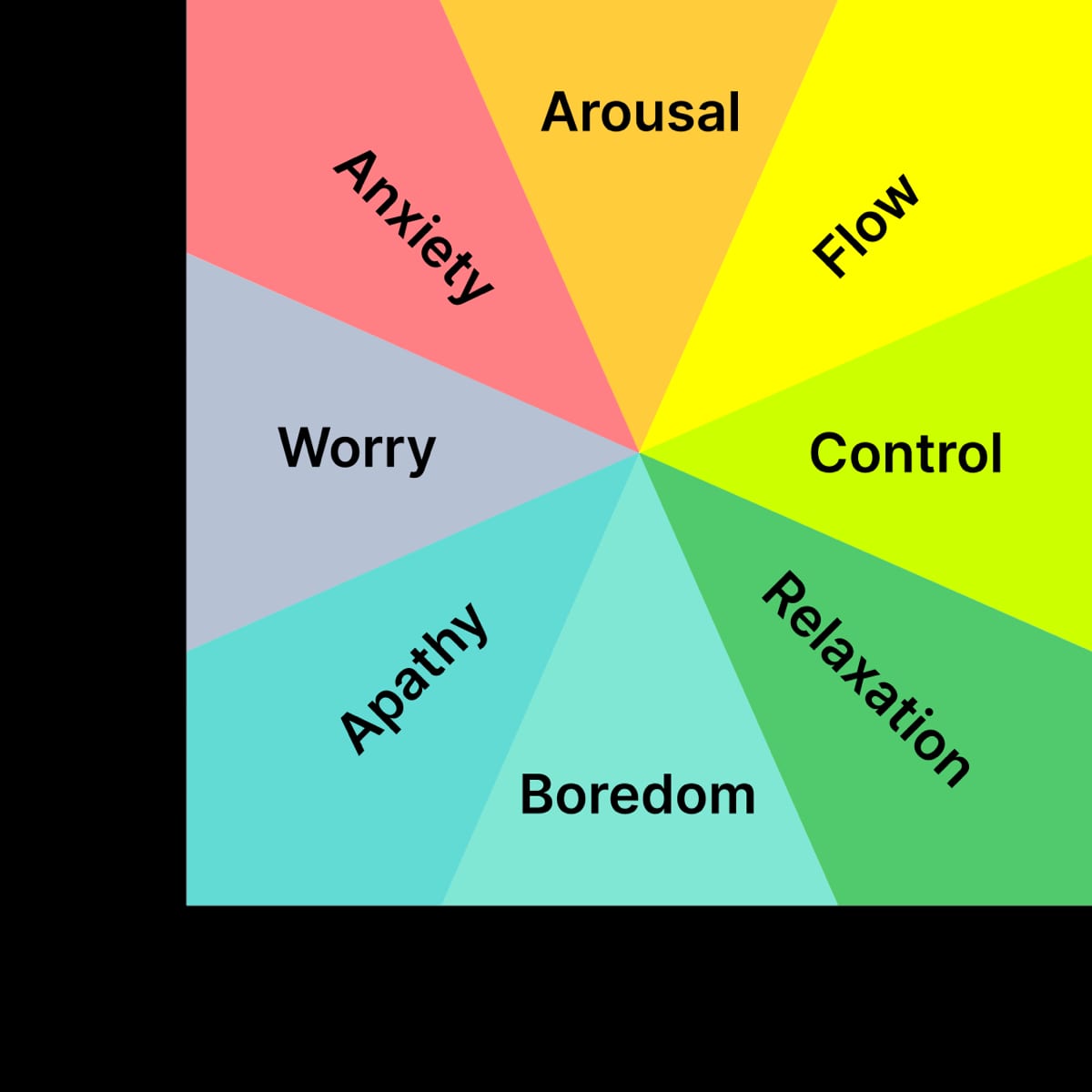
Gamification of life means giving a useful activity a clear objective, visible feedback, and a manageable challenge. Use this daily scorecard to start one task, record real progress, and reset after a missed day without turning your life into a leaderboard.

The freedom to change is a way of looking for choices within real constraints. Viktor Frankl called the choice of attitude the last human freedom. Research on cognitive reappraisal and psychological flexibility supports skills that can help, without proving that anyone can always control their response.

Stop seeking validation without shutting out useful feedback. Set reasonable standards, consider evidence and choose which opinions deserve a response.

Prepare useful responses to difficulty without treating distress as defeat. Explore resilience, Stoic reflection, practical support and flexible next steps.

Explore meaning through creation, connection, experience and choices within your circumstances. Try a small daily reflection without needing one final answer.

Learning how to practice radical honesty begins with telling yourself the truth, then speaking clearly without turning honesty into a weapon. This guide shows how to name what you observe, feel, think, and want while protecting consent, timing, boundaries, and the dignity of the person listening.