Identity
Be Ready To Be Tested By Life
Mental toughness is not optional. Life will test you and the question is only when. Build the response before the test arrives, not during it.

In this article
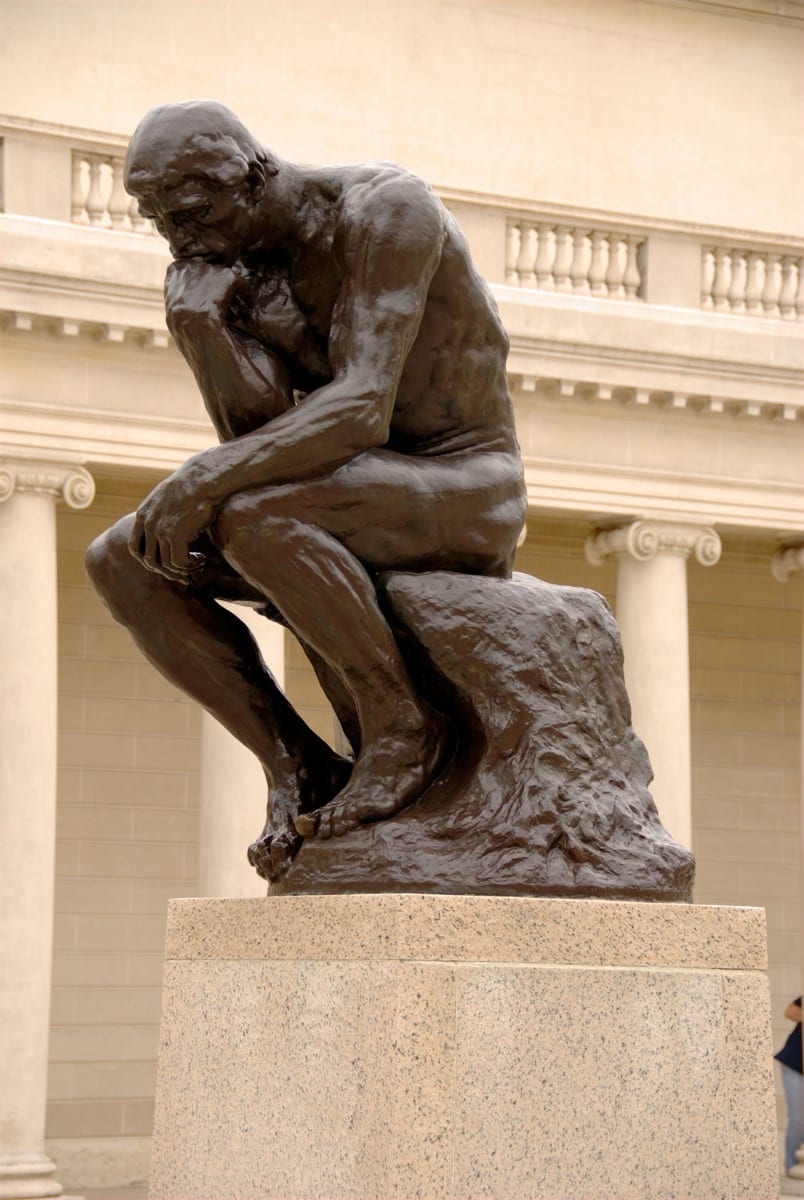
Mental toughness is the capacity to meet a hard moment without breaking, then to keep moving. It is not optional. Life will test you, and the only real question is whether you built the response before the test arrived or you are trying to improvise it during the test. The people who pass have already done the work.
Life will test you.
Not if. When.
The question is not whether challenges will come. The question is whether you will be ready when they arrive.
Most people prepare for success. Very few prepare for tests. That is why most people fail them.
What does it mean to be ready for life's tests?
Being ready for life's tests means you have already decided how you will respond to the common shapes of hardship: loss, conflict, failure, illness, betrayal, uncertainty. Mental toughness is not a feeling you summon in the moment. It is a decision you already made, rehearsed enough times in low stakes that it holds when the stakes are real.
The unprepared mind argues with reality when reality arrives. It spends the first hours debating whether this should be happening. Time and energy are wasted on the wrong question. The prepared mind accepts what is, pauses to choose a response, and moves. That pause — between stimulus and response — is the whole skill.
Readiness is not pessimism. It is the opposite of denial. You acknowledge that life challenges are the default condition, not the exception, and you build the muscle for them on ordinary days so the muscle is there when you need it. (Related: The Measure of a Person.)
How can I build resilience for hard times before they arrive?
You build resilience by practicing small difficulties on purpose, so your response under pressure becomes automatic. Cold exposure, hard workouts, uncomfortable conversations, deliberate fasting from comfort: each one is a repetition of the only skill that matters when real difficulty arrives, which is staying present and useful when the body wants to flee.
Suzanne Kobasa's 1979 research on corporate executives, published in the Journal of Personality and Social Psychology, found a specific pattern among those who stayed healthy under extreme stress. She called it psychological hardiness, and it has three components she labeled the Three Cs: commitment (stay engaged, do not withdraw), control (focus on what you can influence), and challenge (treat difficulty as information, not injury). Kobasa showed that hardiness moderates the relationship between stressful events and actual illness. Same events, different outcomes, based on learned orientation.
Hardiness is not genetic. It is practiced. Which means you can build it before you need it, or you can be handed the test without the training. (Related: Make Discomfort a Practice.)
How do I stay calm when life throws something unexpected?
Stay calm by building a pause between event and reaction, and using the pause to ask one question: what is actually in my control here? Emotional composure is a skill, not a personality trait. It is built by repeatedly choosing the pause over the immediate response until the pause becomes automatic.
Epictetus wrote in the Enchiridion: "Men are disturbed not by the things which happen, but by the opinions about the things." The event is neutral. The interpretation is everything. Two people lose the same job; one sees collapse, the other sees redirection. Same objective event, different internal state, different next move.
Breath is the physical version of the pause. Slow exhale. Name the feeling. Name what is actually true. Then ask the Three Cs question in the second person: what can you commit to here, what can you control, and where is the challenge worth taking? Answer those three, and the calm follows the inquiry. (Related: Breathe Before You React.)
Why do challenging moments feel like punishments, and how should I see them?
Challenging moments feel like punishments because the untrained mind interprets hardship as a verdict on your worth. That interpretation is wrong and it is expensive. A stoic mindset reframes the same event: the crisis is not evidence that life is against you, it is the environment where your character is built and revealed.
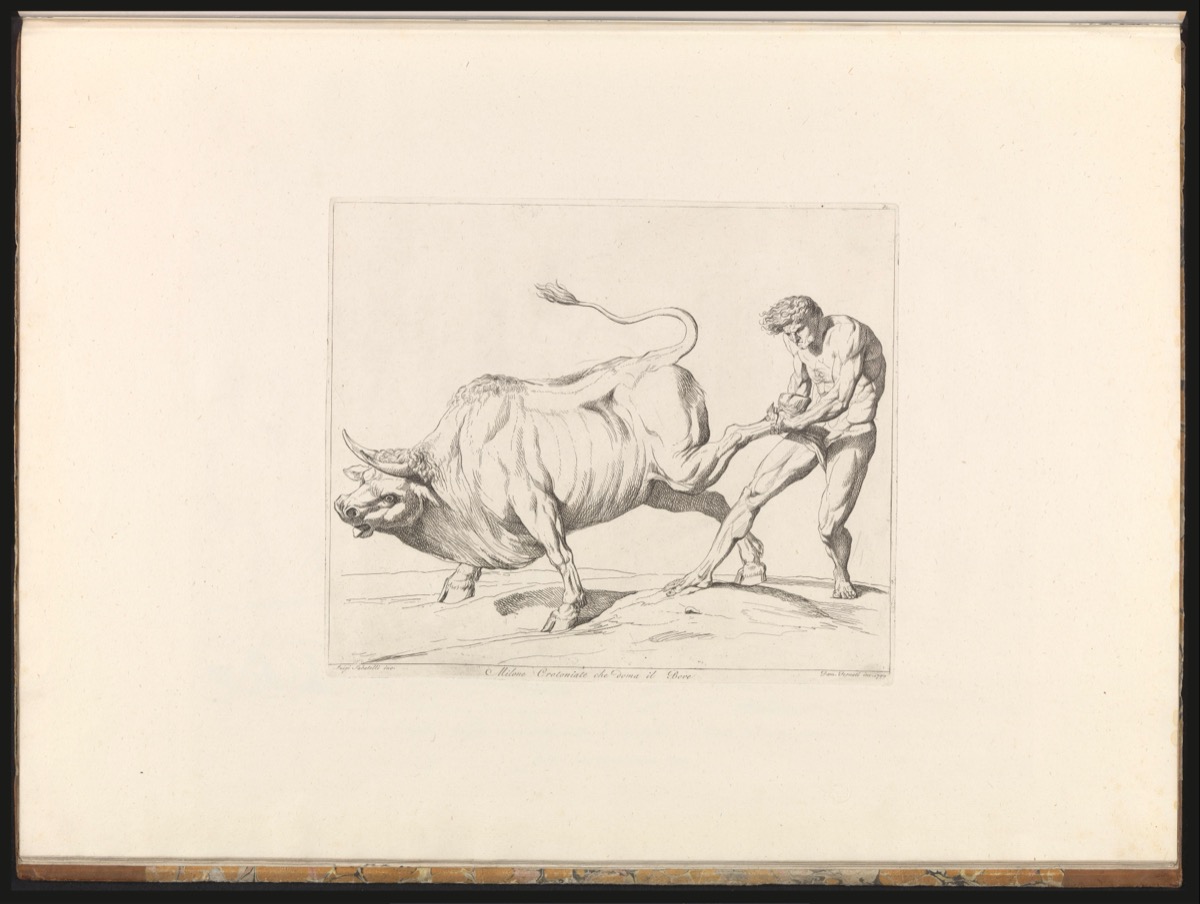
Marcus Aurelius kept returning to this in his Meditations: the obstacle is not in the way, it is the way. The situation you were avoiding turns out to be the exact material you needed to become the next version of yourself. Without hardship, no growth. Without tests, no proof.
Seeing it as training instead of punishment does not make it hurt less. It makes it mean something. Meaning is what turns suffering into formation instead of damage, and the interpretation is yours to choose.
What does passing a life test actually look like in practice?
Passing a life test looks boring from outside. It is not dramatic. You do not rise to a heroic occasion. You take the next right action, calmly, while everything around you is loud. You choose the hard useful thing over the easy useless thing. You do it again tomorrow. You do it again the day after.
Passing looks like: the medical scare where you still go to work and still show up for your kids. The betrayal where you do not retaliate even though you could. The financial setback where you cut expenses and make a plan instead of spiraling. The grief where you grieve and also eat, sleep, and move. That back-and-forth is not weakness; the guide to processing grief after losing someone explains why contact with loss and the work of living can coexist.
The passing is in the consistency across the full length of the crisis. Anyone can be brave for an hour. Mental toughness is being useful for six months, or two years, with no one watching and no applause waiting at the other end. That is what the test is actually testing. (Related: Finish What You Start.)
Being THE ONE
THE ONE is ready before the test.
Not because they know what is coming. Because they know something is coming.
THE ONE trains the response in low stakes so it holds in high stakes. Builds the pause. Builds the Three Cs. Builds the reflex.
THE ONE sees life challenges as formation, not punishment. Reads every hard moment as material for the next version of themselves.
Life will test you.
You know this.
Be ready.
Be the one whose mental toughness holds when the day comes.
Sources
- Kobasa, S. C. (1979). "Stressful life events, personality, and health: An inquiry into hardiness." Journal of Personality and Social Psychology, 37(1), 1-11. https://pubmed.ncbi.nlm.nih.gov/458548/
- Epictetus. The Enchiridion, §5. Translation by George Long. https://classics.mit.edu/Epictetus/epicench.html
- Aurelius, M. Meditations. Translation by Gregory Hays (2002). Modern Library. https://www.penguinrandomhouse.com/books/165653/meditations-by-marcus-aurelius/
- Seligman, M. E. P. (2011). Flourish: A Visionary New Understanding of Happiness and Well-being. Free Press. https://www.simonandschuster.com/books/Flourish/Martin-E-P-Seligman/9781439190760
Ready to put this into practice? Check your identity alignment and see where you actually stand.