
The Self-Worth Guide
Your value is not up for debate. It is not determined by who stays, who promotes you, or who follows you back. This guide is about reclaiming what was always yours.
7 min read
A little deeper
Who you are when no one is watching. Build that person.
Identity is not the story you tell in public. It is the pattern you repeat in private. The real question is not who you say you are. It is who your standards, reactions, and decisions prove you are.
At BE THE ONE, identity is built through repeated evidence. You shift identity by changing what you tolerate, what you practice, and what you keep doing when no one is clapping.
Your value is not up for debate. It is not determined by who stays, who promotes you, or who follows you back. This guide is about reclaiming what was always yours.
Your values are not what you believe when life is easy. They are what you choose when it costs you something. This guide helps you find the real ones.
You do not lose identity in one dramatic failure. You lose it in small self-betrayals repeated long enough to feel normal. This guide gives you a direct framework to face shadow patterns, rebuild trust with yourself, and embody who you claim to be. Everything here is built for execution, not performance. Start now.
Shadow is not a label. It is a behavior pattern that stays hidden because naming it would force change.
Identity collapse is rarely sudden. It is the cumulative effect of small misalignments repeated until trust in yourself becomes unstable.
Phoenix identity is built, not declared. The shift happens when your response to pressure changes from avoidance to embodied standards.
Insight can reveal what is wrong. Embodiment is what makes it different next week.
You are not generous. You are afraid. And every "yes" you do not mean is a brick in the wall between you and the person you actually are.
You do not have a confidence problem. You have an outsourcing problem. You gave the world the job of telling you who you are, and now you cannot function without the feedback.
You value friendship, but postpone contact. You care about learning, yet your week leaves no space for it. These gaps invite reflection without automatically meaning you have chosen the wrong life. Living out of alignment is an everyday description, not a diagnosis. Compare one value with a recent choice, understand its constraints and identify one realistic action.
You hit the goal and felt nothing. That is because goals end. Values do not. And you have been building around the wrong one.
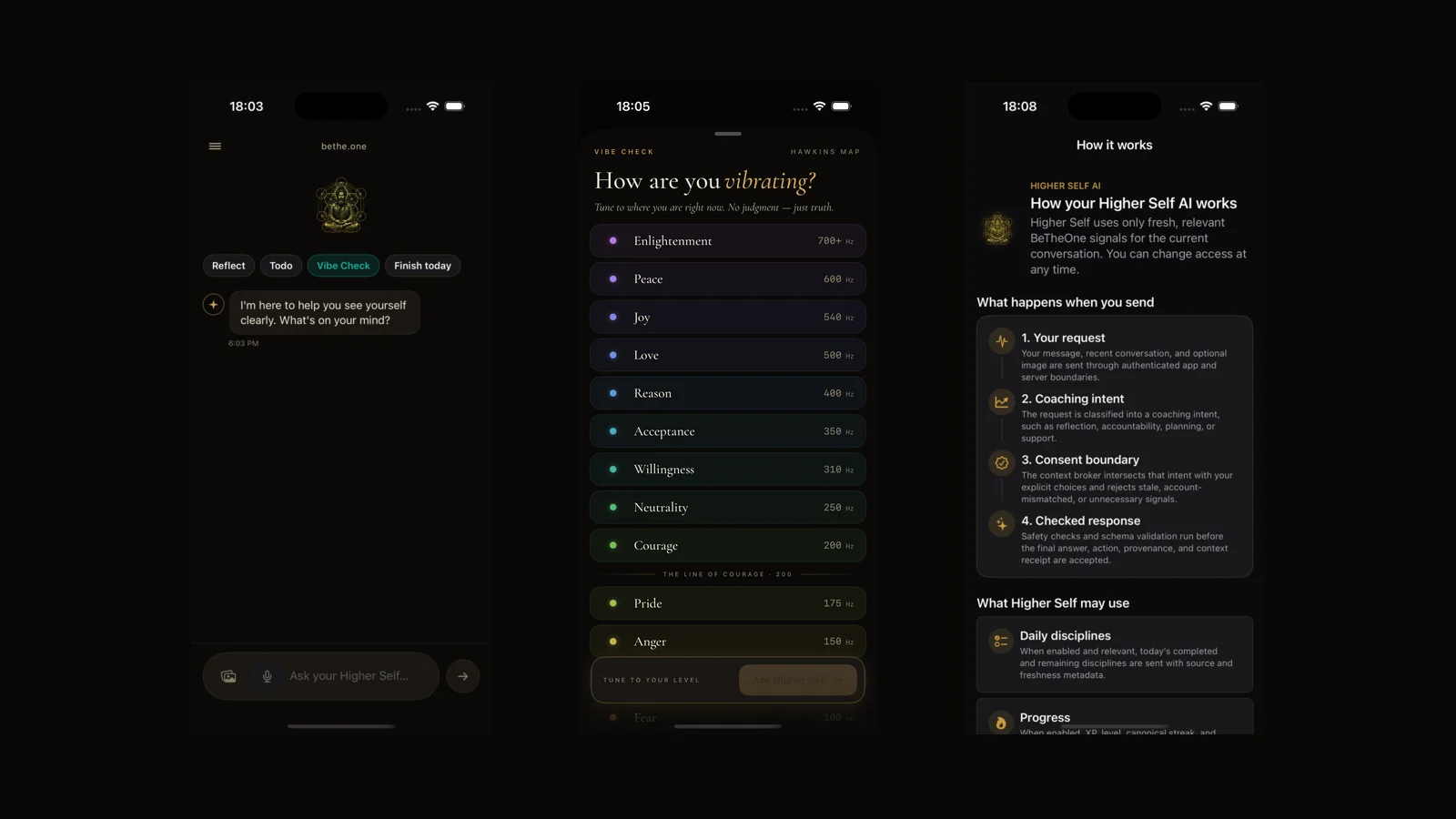
Higher Self AI is the personal coach inside Be The One. It helps you reflect, plan, check your emotional state, and turn a conversation into a real next step—from breathwork and meditation to pushups and today's disciplines.

Grounding is a deliberate return to what is real right now—your senses, your body, and the place beneath your feet. Learn a simple outdoor practice, what it can honestly offer, and where popular earthing claims run ahead of the evidence.
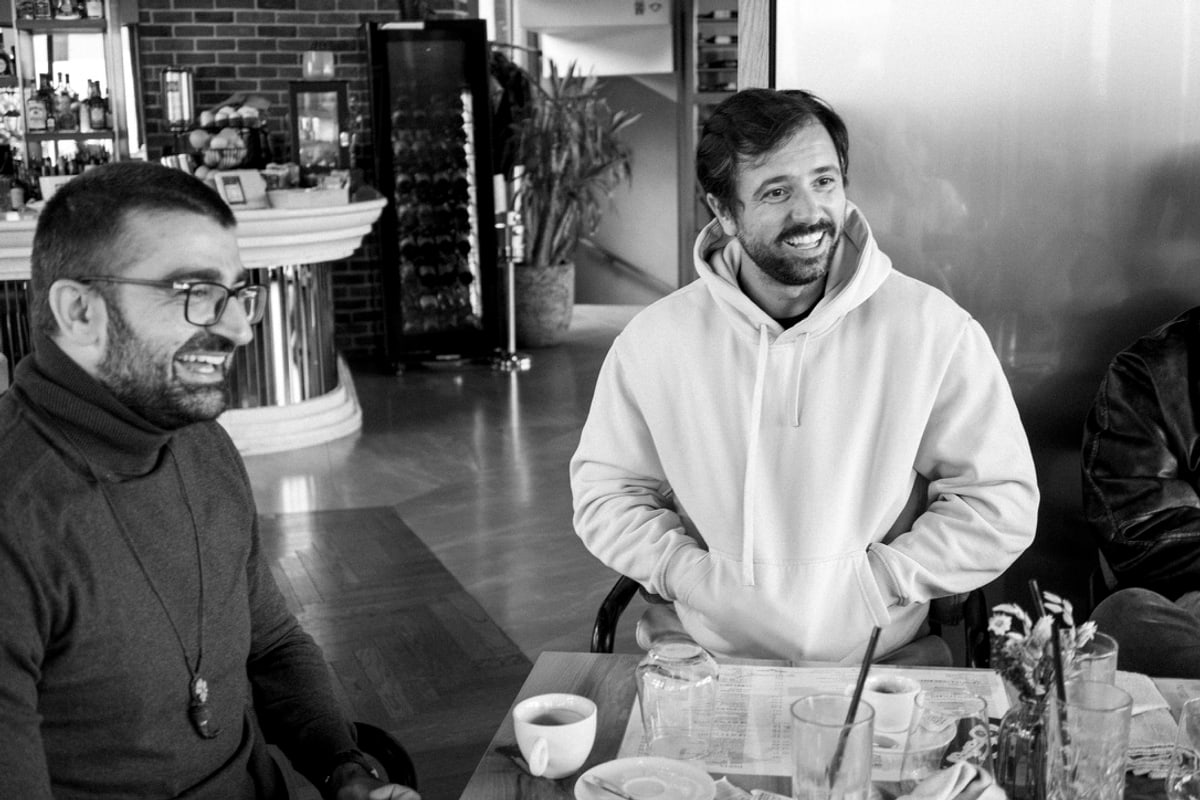
Be The One is an AI personal growth app that turns identity, coaching, daily rituals, and real-world effort into one system. Here is the story behind its four pillars, 111-level progression, technical architecture, hardest product decisions, and long-term vision.

Core values clarity is not a list you write once and frame on a wall. It is knowing which two or three principles you would defend when defending them costs you something real. This is how you find them.

The shadow self is everything you pushed out of sight because it once cost you safety or belonging. The anger, the envy, the ambition that felt too loud. It does not disappear when you hide it. It waits, and it steers from the dark. Here is what it is, how it forms, and what it wants.

Most people chase the result and wait to feel like a new person. Reverse it. Learning how to change your self-image is the real work, because behavior follows belief. Become the person first, and the actions stop being a fight and start being who you are.

The voice that calls you a fraud is not a verdict on your ability. It is a story your mind tells when growth outpaces your self-image. You beat imposter syndrome by collecting evidence, not by waiting to feel ready.

The story you tell yourself about who you are quietly runs your life. That self-talk is not fixed. It is a draft you can revise, and editing it changes how you act, how you recover, and who you become.

Wearing a social mask can protect belonging, privacy, or safety, but constant performance can leave you exhausted and unsure which responses are actually yours. Learn the difference between a normal social role, identity covering, and neurodivergent masking, then use a six-step plan to unmask selectively and safely.

Comparison is the thief of joy describes how someone else's success can overshadow your own life. Its popular attribution to Theodore Roosevelt is unverified. This guide explains the phrase through a familiar scrolling habit, shows what research found, and gives you a five-minute feed audit.

The god awakens at day 60 of unbroken daily practice. Six disciplines. No negotiation. Research on habit automaticity, identity consolidation, and post-threshold behavior shows what shifts at two months is not motivation. It is identity. The higher self is no longer theoretical. It is lived.

Who are you becoming is the only question that matters. Forget where you have been. Forget where you are now. Research on possible selves, future-self continuity, and identity trajectory shows the answer lives in your daily actions, not your intentions.

The test never stops. Life does not stop testing you once you get strong. It tests harder. Research on deliberate practice, comfort decay, and post-success discipline shows the real test is the one that arrives when things finally feel good. That is when most people slip.

Legacy is daily. Not a grand moment at the end of a life. A thousand small moments, compounded. Research on generativity, character, and identity-based habits shows what endures is not the achievements but the consistent self behind them. You do not write your eulogy. The people you touched daily do.

The ego is not the problem. An unchecked ego is. Research on healthy narcissism, secure self-esteem, and psychological integration shows the ego is the vehicle, awareness is the driver. Kill the ego and you kill the drive. Control it with awareness and it produces everything real.

Leaving your comfort zone should expand capability, not manufacture crisis. Learn the difference between comfort, growth, and overload, then use a reversible exposure ladder to stretch with feedback and recovery.

The compound identity is not a math formula. It is an identity formula. One percent better every day is not about optimization. It is about accumulated evidence that you are the person you say you are. Research on self-perception and evidence accumulation shows the daily proof is what actually compounds.

The inner critic is not you. It is a recording from someone who did not know any better. Research on cognitive defusion, schema therapy, and inner criticism shows you cannot silence it. You can change your relationship with it until it stops running the show.

What are you building is the question that separates busy from meaningful. At the end of your life, nobody asks how many hours you worked. They look at what you built. Research on long-horizon work, deliberate practice, and goal-setting theory shows most people are busy without building.

Show up ugly is the practice of acting before you feel ready, producing before you feel qualified, and releasing before you feel polished. Research on perfectionism, growth mindset, and the taste-skill gap shows the people who build things are not the most talented. They are the ones willing to be seen in process.

The three AM test is simple. Who you are at 3am when nobody is watching is who you really are. Research on self-concept integration, authenticity, and the cost of impression management shows the gap between the public self and the three AM self is the measure of your structural integrity.

Kill the old version is not metaphor. Identity operates like software. You cannot run the new version while the old one is still active. Research on self-concept change, identity foreclosure, and liminal transitions shows the old self fights to survive and must be deliberately replaced, not gently modified.

The person in the arena is the one whose opinion counts. Roosevelt said it a century ago. Research on exposure tolerance, vulnerability, and spectator bias shows the stands offer zero risk and zero reward. The arena offers maximum risk and maximum possibility. Step in.

The ancestors are watching. Your bloodline survived impossible conditions so you could exist. Research on generational trauma, epigenetics, and long-horizon thinking shows what you do with this life either honors or wastes the investment every ancestor made. The chain is watching what you build.

Speak it into existence is the practice of using declarative language to program identity before evidence arrives. Research on self-perception theory, self-talk, and identity-based habits shows your words are architecture, not sounds. What you say about yourself becomes the blueprint for who you become.

Identity work is the practical process of revising your self-concept through values, behavior, relationships, and the story you tell about your life. These five exercises turn the idea into a 30-day practice while separating productive discomfort from pressure that is simply harmful.

Shadow work is the practice of facing the parts of yourself that were pushed underground because they felt unacceptable. Those parts do not disappear. They run the show from the basement until you bring them upstairs. Jung named the shadow. Modern psychology validated the mechanism. Ignoring it costs more than facing it ever will.

Mirror work is not affirmations. It is confrontation. Stand in front of yourself, look into your own eyes, and tell the truth you have been running from. That is where change actually starts, because you cannot change what you refuse to see. The mirror is the one tool that does not let you perform.

Spot the everyday choices that keep you stuck, tell recovery from avoidance, and turn one delayed goal into a seven-day experiment.

You do not feel your way into a new identity. You act your way into one. Identity is a pattern of behavior repeated until the brain catalogs it as self-concept. Research on self-perception theory shows emotions follow actions, not the other way around.

Unrealized potential is not a compliment. It is a psychological burden that compounds the longer it goes unaddressed. Research on self-discrepancy theory shows the gap between actual self and ideal self produces ongoing distress. The only way to lighten the weight is to convert it into action.

Keeping promises to yourself is the discipline everything else stands on. Every broken promise is a vote against your own reliability. Every kept promise is a brick in the foundation. The unconditional oath, three non-negotiables held for 30 days, is how a cracked foundation gets rebuilt. The oath to yourself is the most important oath you will ever make.

Self discipline that lasts is anchored in identity, not in willpower or rules. Change who you believe you are and the behaviors align without force. Change only the behaviors and willpower runs out by evening. Identity-based discipline is the shift that makes discipline sustainable instead of exhausting.
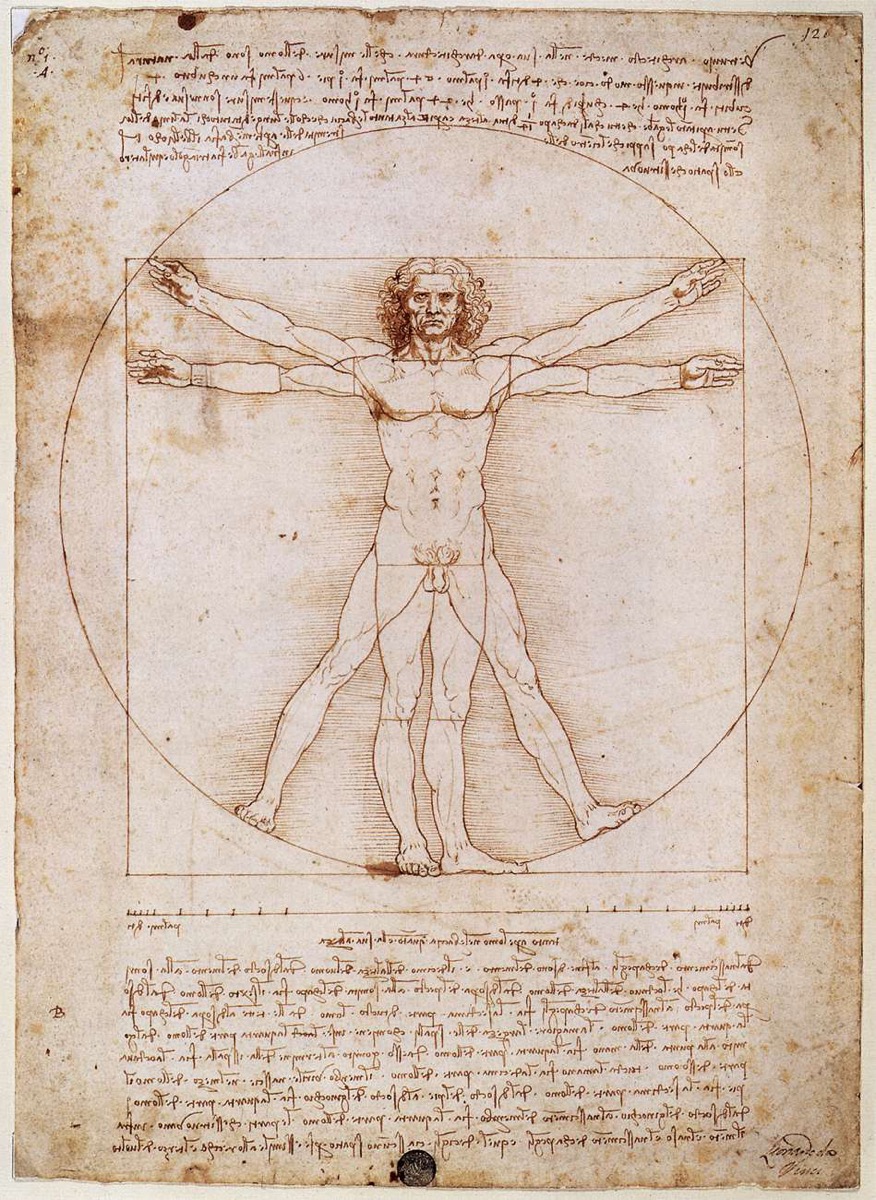
Self actualization is not a destination you reach. It is a daily practice of becoming the highest version of yourself, built through small disciplined acts nobody sees. The god within is what psychology calls the fully expressed self, and it is constructed brick by brick by the person willing to stop waiting.

Building in public means shipping the story alongside the product. A $2,000 domain purchase, a redirect, and an identity-first app in testing. Research on brand recall, identity-based change, and founder transparency shows why the smallest moves in a startup's narrative often matter most.
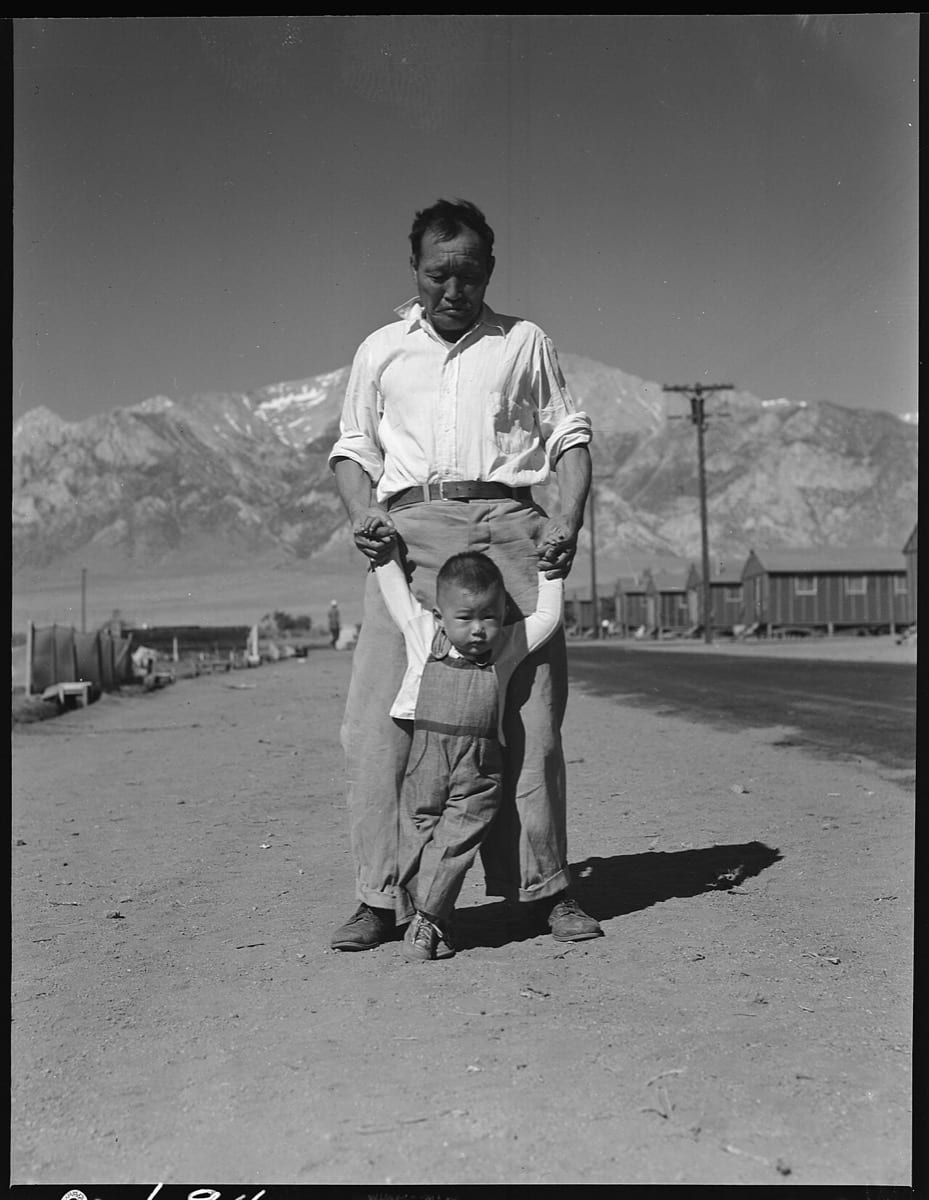
Legacy is the ripple effect of your life on people and places that outlast you. Not a future monument. A present construction built through daily choices, character, and the values you model.

What you tolerate you encourage. Your standards are set by what you refuse to accept, not by what you aspire to. Every tolerated violation becomes a signal that the behavior is acceptable. Research on social norms and the broken windows theory shows tolerance shapes behavior faster than any explicit rule, which is why raising the floor changes everything downstream.

Quiet confidence is evidence-based self-assurance that does not need volume, validation, or performance to hold its ground. Built from kept promises and faced challenges, it deepens under scrutiny while loud confidence cracks. The research shows it outperforms displayed confidence on every meaningful outcome.

Character building happens in the quiet years before the test — not when pressure arrives. You do not rise to the occasion. You fall to the level of your preparation.
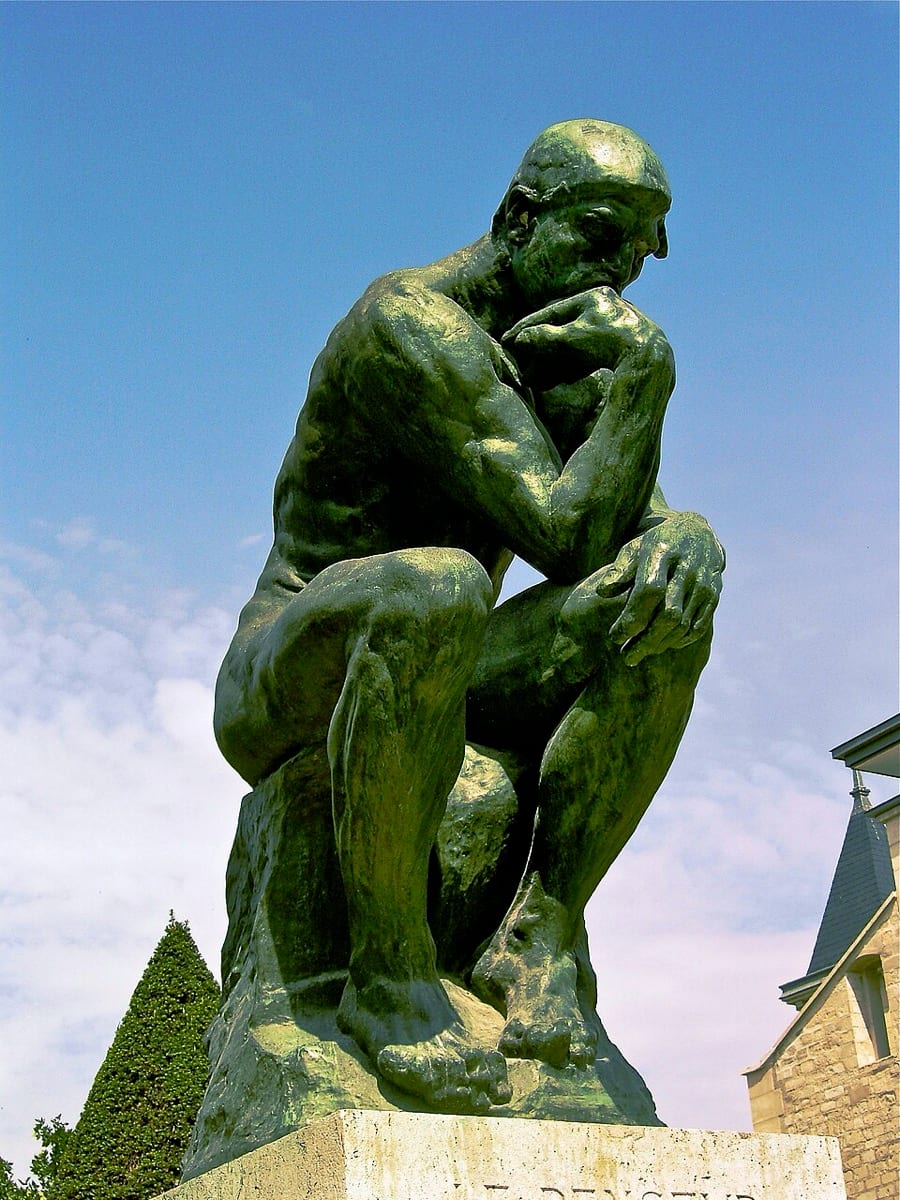
Critical thinking is the trained ability to reach your own conclusions through evidence and reasoning rather than absorbing opinions from the crowd. Most people confuse repetition with thinking and feeling with reasoning. Real thinking is slow, uncertain, and uncomfortable. It is also the foundation of a life that is actually yours.

Jealousy and envy are the predictable output of a comparison habit you never examined. Measuring your full inner experience against someone else's curated surface is a rigged game you cannot win. The only valid comparison is you today versus you yesterday. Run your own race. The scoreboard for anyone else's life is not your scoreboard.

Fear of failure costs more than failure ever will. Every failure is tuition for a lesson success does not teach: the specific, honest feedback about what did not work and why. Failing forward, with a growth mindset, turns each setback into information instead of a verdict. Most people miss the gift because they refuse to open the package.

Solitude is chosen time alone; loneliness is the painful feeling that your relationships are not meeting your needs. Learn when walking alone restores you, when it becomes isolation, and how to stay connected while following your own path.

The strength in weakness is the paradox that real power grows from honestly naming what you cannot yet do. Research on vulnerability, self-compassion, and growth mindset shows admitting weakness is the first move toward building strength the performer never develops.

Learning to let go of the past is not about forgetting what happened. It is about refusing to let what happened decide what happens next. Your past is data, not destiny. The choices you make from this moment forward are not bound by the choices you made before. Identity is the set of decisions you make now, informed by history but not owned by it.

Trust the process means committing to the work without needing proof it is paying off yet. It is the gap between effort and evidence, held open by discipline instead of certainty. Results are not linear. The invisible phase is where everything is being built.

Burn bridges is not a reckless metaphor. It is a precommitment strategy with real economic theory behind it. The moment you have a plan B, you have given plan A permission to fail.

Personal standards are the minimum conditions you refuse to drop below. Research on goal-setting and grit shows standards, not talent or motivation, are the most reliable predictor of long-term outcomes. You get what you accept, not what you want. Raise the floor and everything rises with it.

Self-identity is not discovered. It is constructed, choice by choice, through repeated action that accumulates into evidence. Identity-based change beats behavior-based change because it targets the self-concept the behavior was serving. This is how to build a new identity and make it stick past the motivation phase.

Why habits fail is rarely explained by one missing ingredient. Your self-image can influence a choice, but so can the cue, effort, environment, and time available. Learn how identity and behavior support each other, then build a seven-day experiment around one small action you can repeat.
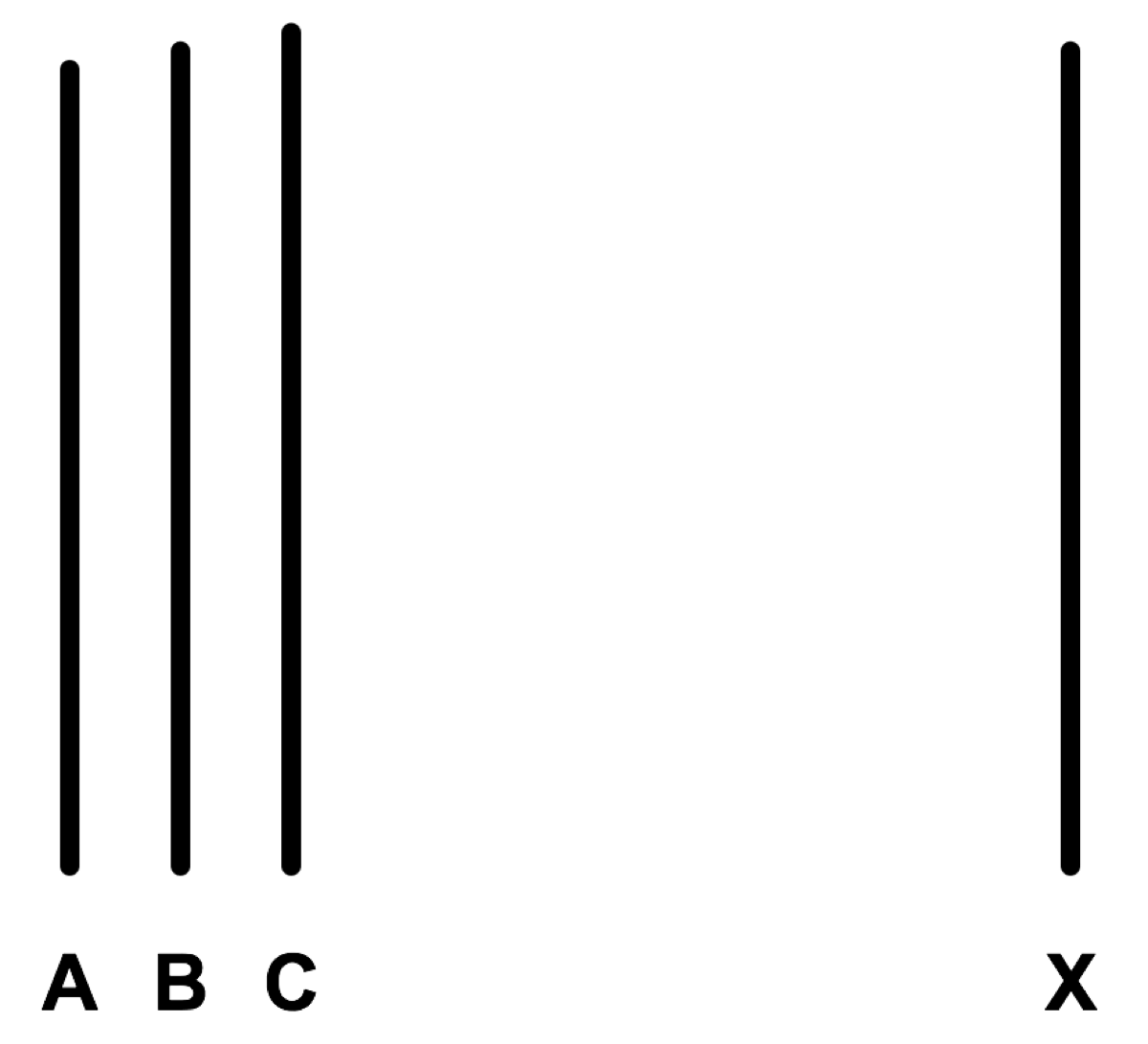
People pleasing looks like kindness from the outside, but inside it often feels like fear, over-responsibility, and self-abandonment. You stop by learning the signs, pausing before the automatic yes, using simple boundary scripts, tolerating the guilt, and building enough self-trust that approval stops functioning like oxygen.

Try a brief, optional mirror work exercise with neutral words, clear stopping points and a mirror-free alternative for a kinder conversation with yourself.

Why self-help doesn't work for most people is that the entire model is built on the premise that you are broken and need fixing. Research on habit formation and self-analysis shows consumption does not produce change. Stop fixing yourself and start building.

No external rescuer is going to fix your life. The moment you stop waiting, the responsibility and the power shift to where they always belonged. That is where everything changes.

The war within is the ongoing internal conflict between the disciplined self pursuing growth and the comfort-seeking self pulling toward ease. Research on self-control, dual-system decision-making, and willpower depletion shows the war is fought and decided through daily choices, not single moments.

The price of growth is the sum of what you surrender to become someone new. Comfort, certainty, old identity, sometimes the people who knew the old you. Research on transformational change, grit, and immunity to change shows the price is paid upfront. The question is whether stagnation is affordable.

Stop waiting for permission that only you can grant. The authority you seek outside yourself does not exist. It was always yours. Permission seeking is responsibility avoidance disguised as humility. No one is coming to authorize your life. The moment you grant yourself permission is the moment the waiting ends.

Your current life is evidence of your past choices. Self reflection done honestly is how you read the evidence and change the next chapter. The mirror does not flatter and does not deceive. It reports.
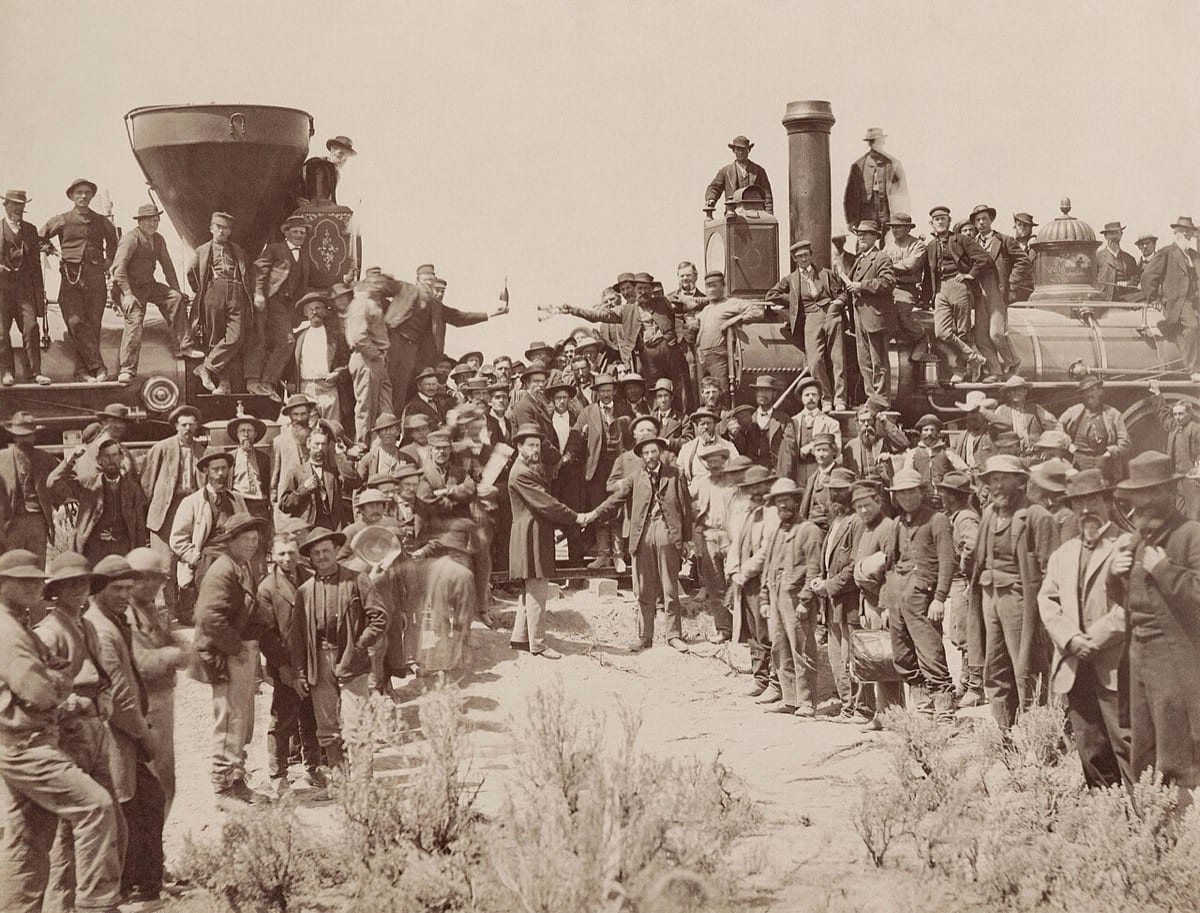
Personal integrity is not a trait. It is the running total of every promise you made to yourself and kept or broke. Your word is your bond because the weight is you.

Real decision making happens when heart, soul, and mind actually talk to each other. When they disagree, the conflict itself is the teacher. Learn to hear what each voice is really saying.
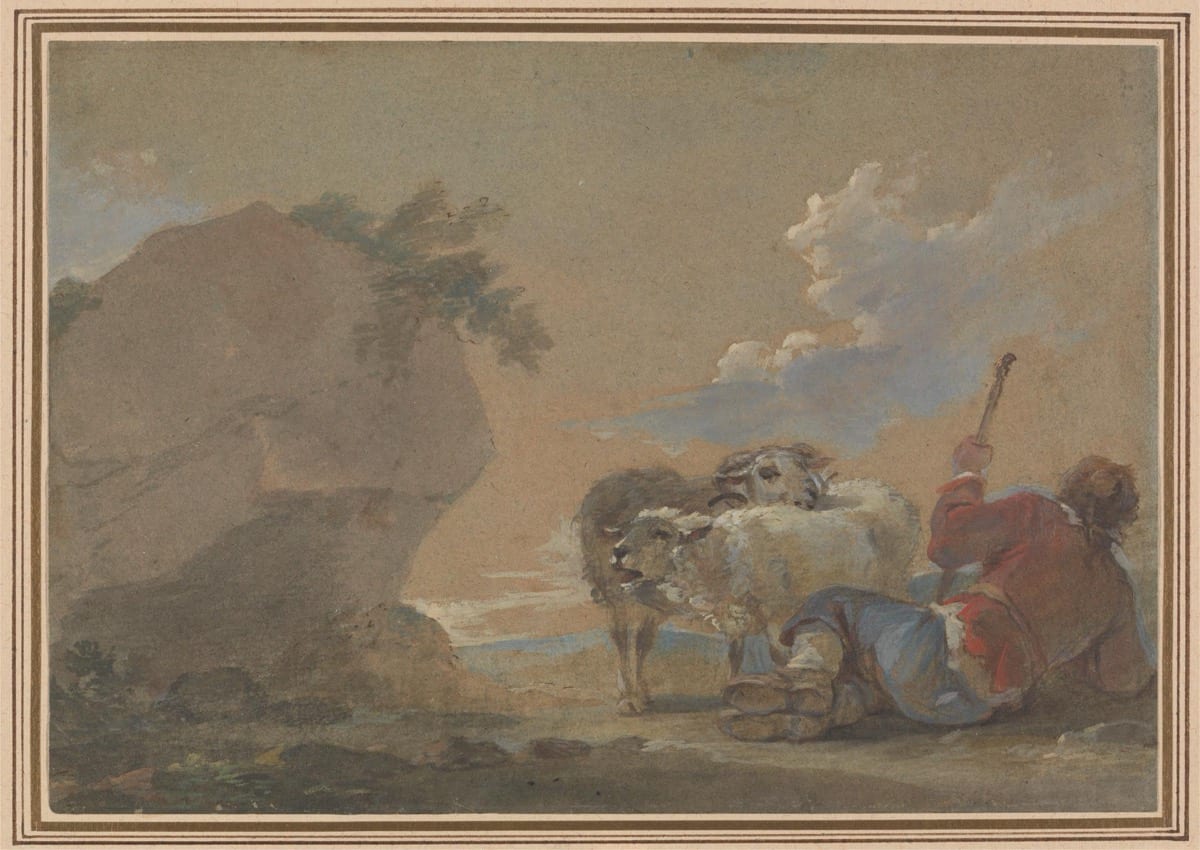
The Alchemist is not just a story about chasing a dream. It is a map for recognizing your Personal Legend, surviving the testing phase, reading obstacles correctly, and becoming the kind of person who can receive the treasure without losing themselves.
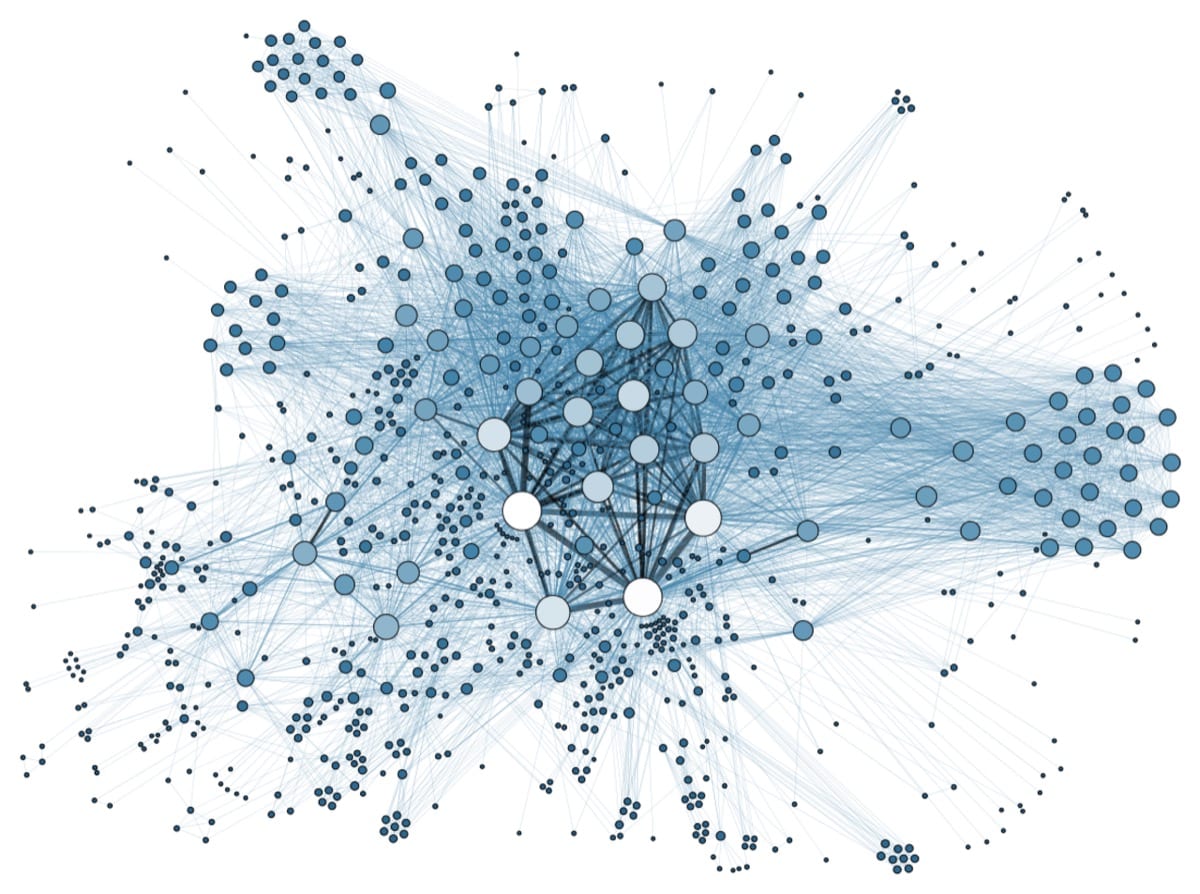
Systems thinking is the practice of seeing how environment, habits, identity, and outcomes form a single interdependent web. Everything is connected means change one node and the surrounding pattern shifts. Stop treating your life as a collection of separate problems. Start seeing the loops that produce them.
The goal is not to read a book. The goal is to become a reader. Identity goals outperform action goals because behaviors flowing from who you believe you are sustain themselves. Research shows identity precedes action. Change who you are and the behavior follows automatically.

Self discovery becomes practical when you separate inherited roles from real values, test those values in daily behavior, and keep the parts that still feel true when nobody is watching. This guide gives you seven exercises, a 30-day practice, research on authenticity and self-connection, and one video to help you start finding yourself without turning it into an endless thinking loop.

Intentional living is the practice of writing today like a chapter worth telling, not a page that quietly fills with routine and disappears. Your life is a book. What does today's page say?

Self worth is the recognition that your fundamental value exists independent of achievement, approval, or arrival. You are enough before you prove it, not because of what you have done. Being enough does not mean being finished. It means the foundation is not in question while you build the rest of the life.

The freedom to change is the inner capacity to choose your response to any circumstance. Viktor Frankl called it the last human freedom. Research on psychological flexibility and cognitive reappraisal shows this freedom is trainable, permanent, and the foundation of every other change worth making.

Stop seeking validation from people who are doing less than you. Every moment spent managing what others think is a moment stolen from creating what matters. The approval addiction is the invisible cage most people spend their lives inside. Breaking out means trusting your own judgment more than the crowd's applause.

Mental toughness is not optional. Life will test you and the question is only when. Build the response before the test arrives, not during it.
The purpose of life is not a mission handed down from above. It is the capacity to create — experiences, a self, and a reality you choose to live in.

Learning how to practice radical honesty begins with telling yourself the truth, then speaking clearly without turning honesty into a weapon. This guide shows how to name what you observe, feel, think, and want while protecting consent, timing, boundaries, and the dignity of the person listening.

Learning how to create the life you want starts with an honest view of what is yours to change. Define a life that is actually yours, take responsibility without blaming yourself for everything, and turn that clarity into small daily choices that build evidence, agency, and direction.

Life is a game framework treats existence as a structured experience with levels, challenges, skill trees, and respawn mechanics. Research on play, growth mindset, and infinite games shows the framing produces measurable gains in motivation, resilience, and long-term outcomes.
Limiting beliefs form in childhood or after emotional wounds and become an unconscious pact with yourself. They are a way of self-sabotage. You agreed, somewhere, to never fully win. At 80 percent of winning? Boom, you give up for no real reason. The cost is measured in years of being stuck.

Identity reprogramming is the process of replacing inherited beliefs and conditioned responses with deliberately chosen ones. Research on self-concept, limiting beliefs, and operant conditioning shows that biology builds you to win while early programming trains you to lose, and the gap is reversible.
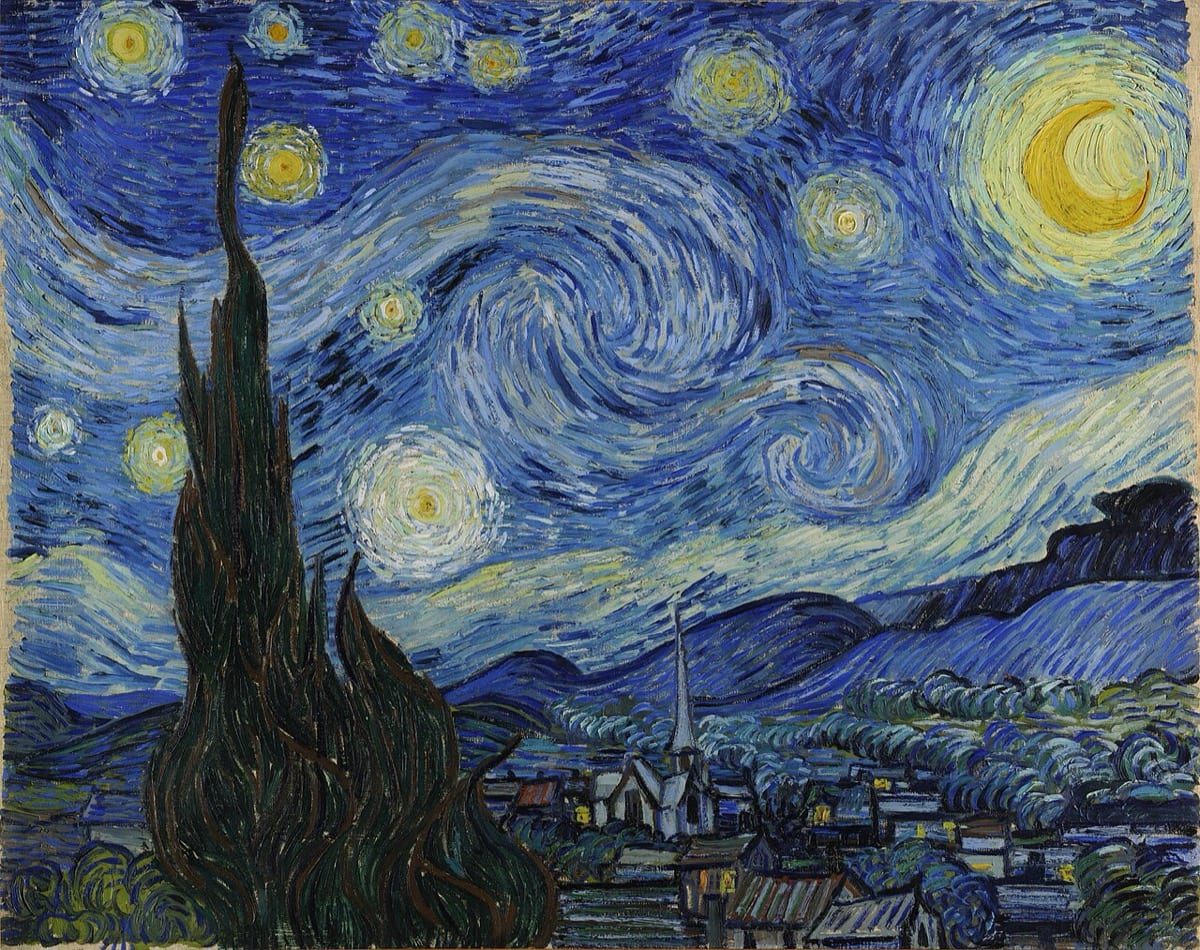
True identity is the self beneath the programming, the roles, and the inherited beliefs. The world is designed to make you forget. Your job is to remember, not who they told you to be, but who you actually are. Remembering is peeling away what was never yours.

Mind mastery is separating your identity from your thoughts. You are the awareness behind the mental activity, not the activity itself. Research on mindfulness, cognitive defusion, and the observer self shows the difference between being dragged by the current and standing on the riverbank.

Time to get yourself back. What you hate in others, you rejected in yourself. What you love in others, you abandoned. Research on Jungian shadow work, projection, and self-integration shows every trigger is a map and every admiration is a piece of you waiting to be reclaimed.