
The Core Values Guide
Your values are not what you believe when life is easy. They are what you choose when it costs you something. This guide helps you find the real ones.
7 min read
A little deeper
What you stand for when it costs you something.
Start here
How to find your real values and build your life around them.
Your values are not what you believe when life is easy. They are what you choose when it costs you something. This guide helps you find the real ones.
You value friendship, but postpone contact. You care about learning, yet your week leaves no space for it. These gaps invite reflection without automatically meaning you have chosen the wrong life. Living out of alignment is an everyday description, not a diagnosis. Compare one value with a recent choice, understand its constraints and identify one realistic action.
You hit the goal and felt nothing. That is because goals end. Values do not. And you have been building around the wrong one.

Grounding is a deliberate return to what is real right now—your senses, your body, and the place beneath your feet. Learn a simple outdoor practice, what it can honestly offer, and where popular earthing claims run ahead of the evidence.

Core values clarity is not a list you write once and frame on a wall. It is knowing which two or three principles you would defend when defending them costs you something real. This is how you find them.

You do not have to wait for a distant result before choosing who you want to become. Learning how to change your self-image means pairing that intention with small actions. Belief can guide behavior, and behavior can give belief new evidence.

Use day 60 to review habits, self-trust and six areas of daily practice. What the evidence supports, what it does not, and how to continue without a perfect streak.

Who are you becoming? Connect a future you value with realistic action. Review recent choices, understand their context, and choose a useful next step.

Legacy is daily means paying attention to the effects of ordinary choices, alongside the projects and milestones that may outlast you. Research on generativity and moral commitment offers useful perspectives, not a formula for being remembered. Choose a contribution, care for the people involved, and review what your actions actually do.

One percent better every day is a metaphor, not a guarantee. Learn how repeated experience, context and reflection can inform a flexible self-image.

What are you building through the way you spend your days? Use a longer time horizon to choose work, relationships, skills, or care that matter, then turn that direction into a practical next step without dismissing everyday responsibilities.

“The ancestors are watching” is a reflection on family history and the future you help shape. Research explores effects of adversity across generations and connection to the future self, with important limits. You can choose what to carry forward without treating your life as a debt you must repay.

Speak it into existence as an honest direction and a realistic next step. Explore self-talk, mental rehearsal, if–then plans and feedback without magical promises.

Identity work is the practical process of revising your self-concept through values, behavior, relationships, and the story you tell about your life. These five exercises turn the idea into a 30-day practice while separating productive discomfort from pressure that is simply harmful.

A small action can help you begin before confidence arrives. Learn from experience without dismissing feelings or turning a habit timetable into an identity deadline.

Make a clear, manageable commitment and review it honestly. Practical steps for follow-through, changed circumstances and repair without self-punishment.
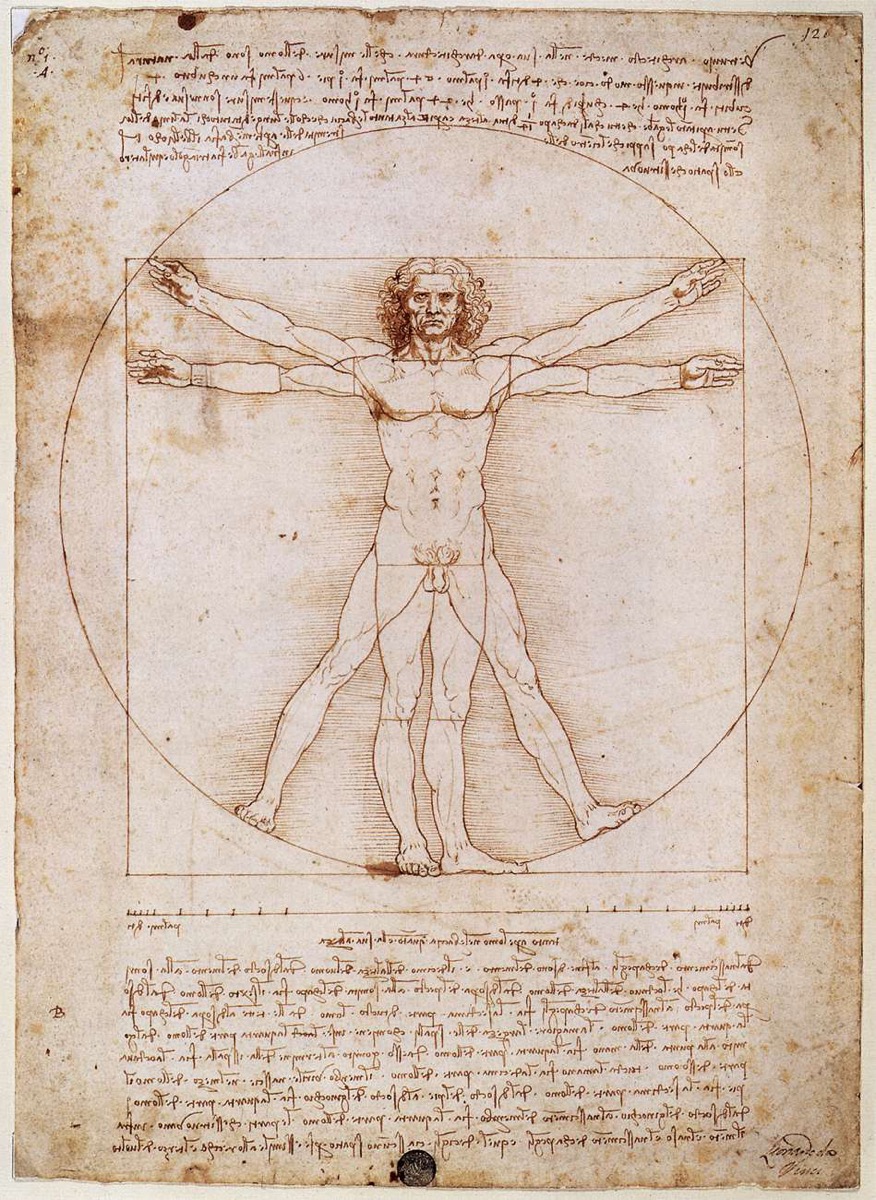
Self actualization means expressing capacities that matter to you. Explore daily skill, reflection and care without turning growth into a test of worth.

Your personal legacy grows through useful contributions to people, work and places. Explore generativity, character and practical ways to help within real limits.

What you tolerate can influence expectations. Learn to express clear boundaries, make realistic agreements and improve standards without blaming yourself for harm.

Character building connects values with everyday choices. Practice honesty, reliability and repair while recognizing that context matters and one crisis cannot define a person.
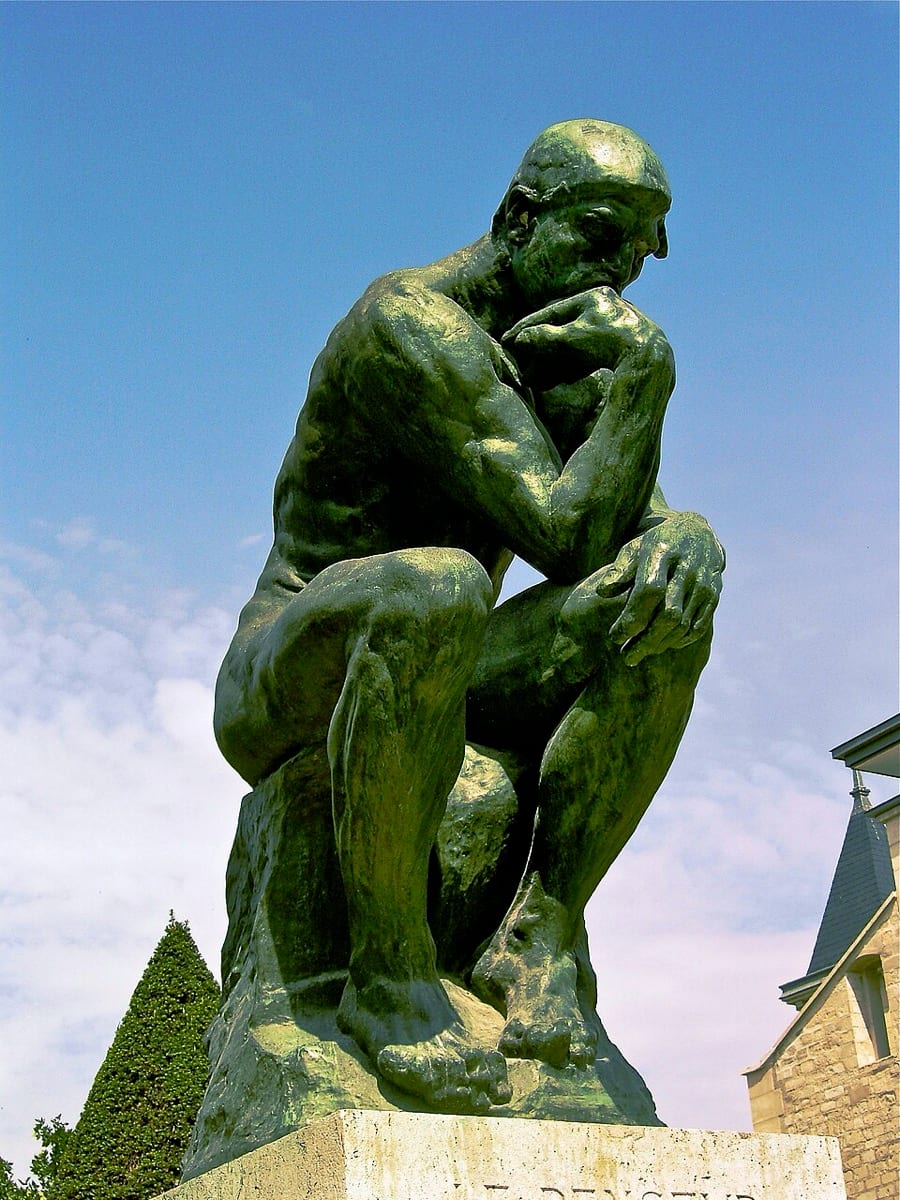
Critical thinking examines claims, reasons and evidence. Practise careful judgment, use relevant expertise and remain willing to revise a conclusion.

Fear of failure can limit worthwhile attempts, but failure can also carry lasting costs. Learn to investigate a setback, protect against avoidable harm and choose a useful next step without treating the outcome as a verdict on your worth.

Trust a reasonable process long enough to assess it, while keeping feedback, costs and changing circumstances in view. Patience is compatible with adjusting or stopping.

Burn the boats is a focus metaphor, not a rule to destroy a safety net. Distinguish distractions, alternative methods and backup goals before committing.

Personal standards guide conduct, quality and boundaries. Set concrete commitments that account for capacity, feedback, recovery and circumstances.

Self-identity develops through experience, reflection and relationships. Choose one value, practise a manageable action and review what you learn.

Growth can cost time, effort and certainty. Compare real tradeoffs, question hidden assumptions and choose a manageable first step without making suffering the goal.
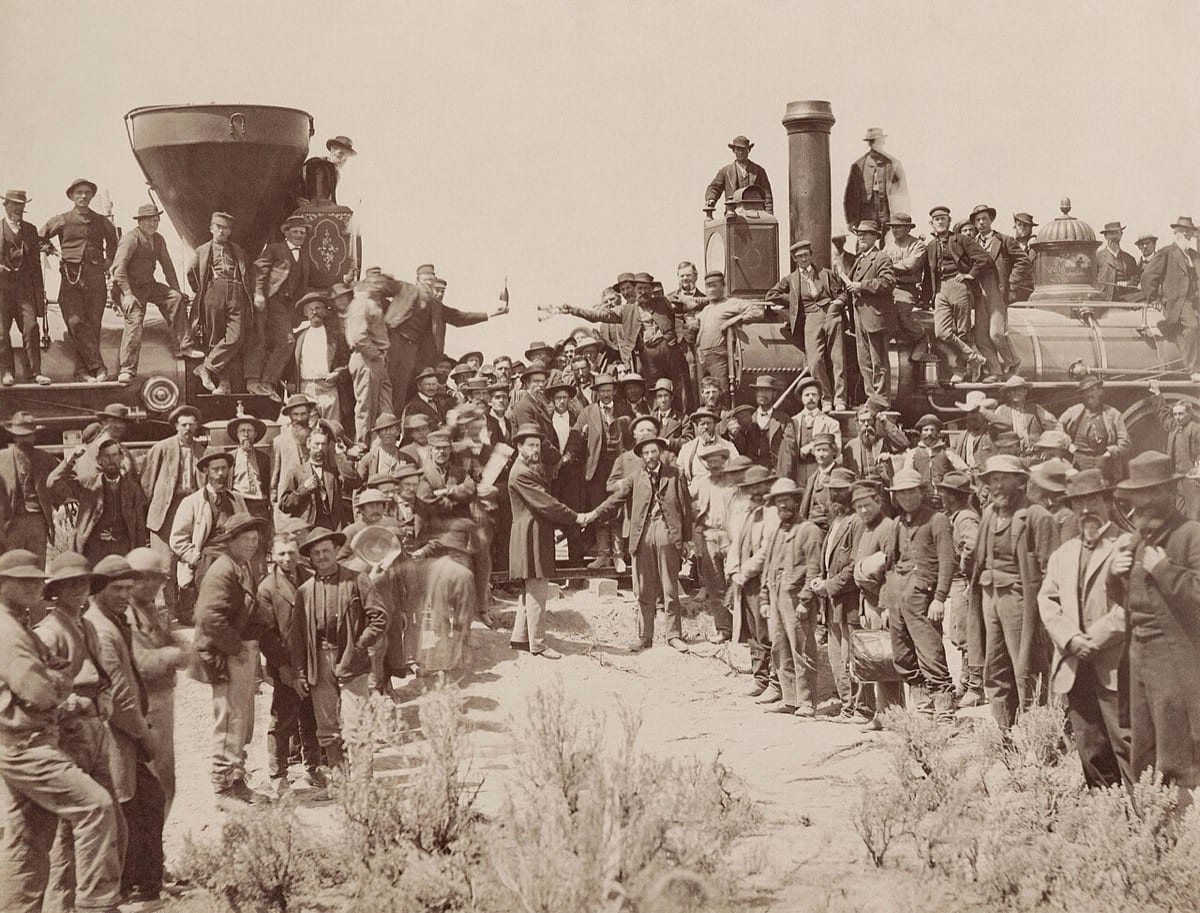
Personal integrity includes careful promises, useful follow-through and honest repair. Build trust with realistic commitments and clear communication.

Listen to feelings, values, and evidence without giving any one automatic authority. A grounded practice for decisions when heart, soul, and mind disagree.
The Alchemist is not just a story about chasing a dream. It is a map for recognizing your Personal Legend, surviving the testing phase, reading obstacles correctly, and becoming the kind of person who can receive the treasure without losing themselves.

Identity goals can support meaningful practice, but they do not guarantee effortless habits. Connect a clear outcome with a workable process and review what helps.

What chapter are you writing today? Explore meaningful daily choices, life-story research, and a simple reflection practice with room for ordinary days.
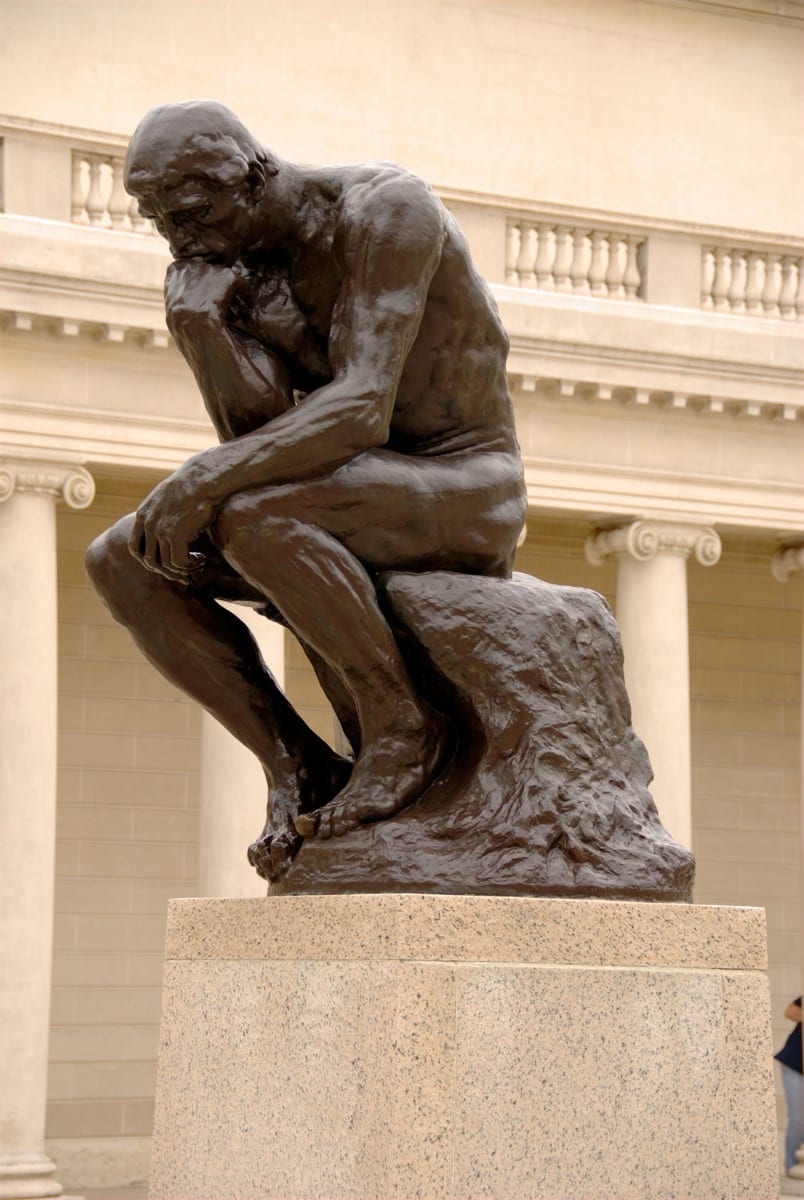
Prepare useful responses to difficulty without treating distress as defeat. Explore resilience, Stoic reflection, practical support and flexible next steps.

Explore meaning through creation, connection, experience and choices within your circumstances. Try a small daily reflection without needing one final answer.

Learning how to create the life you want starts with an honest view of what is yours to change. Define a life that is actually yours, take responsibility without blaming yourself for everything, and turn that clarity into small daily choices that build evidence, agency, and direction.

A game metaphor can clarify goals, feedback and learning. Use it without pretending life is fair, every hardship is useful or serious losses can simply reset.