Identity
The Oath You Make To Yourself
Keeping promises to yourself is the discipline everything else stands on. Every broken promise is a vote against your own reliability. Every kept promise is a brick in the foundation. The unconditional oath, three non-negotiables held for 30 days, is how a cracked foundation gets rebuilt. The oath to yourself is the most important oath you will ever make.

In this article
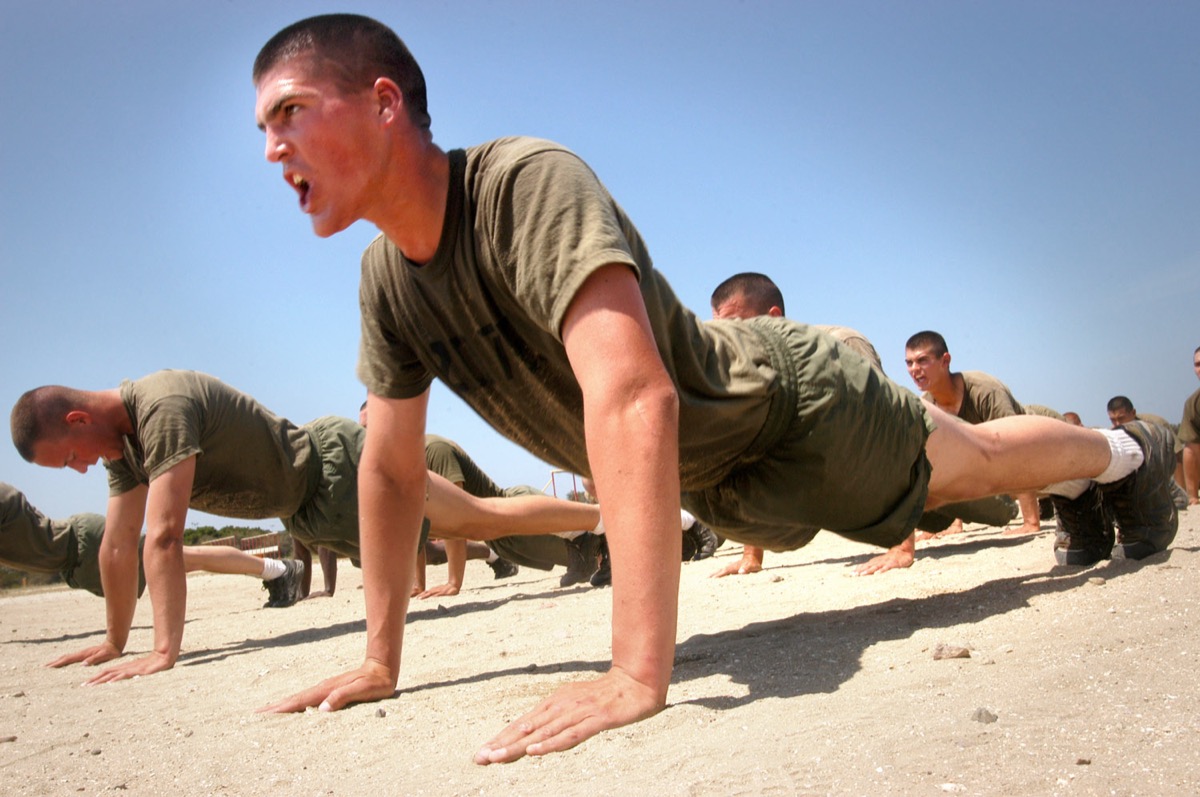
Keeping promises to yourself is the oath that decides everything else. Every broken promise is a vote against your own reliability. Every kept one is a brick in the foundation. The oath to yourself works because it is unconditional: no escape clauses, no renegotiation, no exceptions. Small, specific, kept, daily.
Every morning you wake up and either keep or break a promise to yourself.
Those small promises are the foundation. Break enough of them and you stop trusting yourself entirely. Once that trust is gone, nothing else works. You can have the best strategy, the clearest goals, the most inspiring vision. None of it matters if you do not trust yourself to follow through.
Why is it so hard to keep promises to yourself?
Keeping promises to yourself is hard because nobody else enforces them. Break a promise to a friend and you face their disappointment. Break one to yourself and the only witness is ready to negotiate. No deadline, no social cost, no accountability. Just a quiet renegotiation that always ends the same way.
The training runs deep. Every time you say "I will wake up early" and hit snooze, you teach your brain that your declarations are background noise. You told yourself you would journal every morning. You did it for four days. You missed one. No big deal. You missed three. Then it quietly disappeared and you never mentioned it again.
Each break seems minor in isolation. Stacked together, they produce a person whose own word predicts nothing. This is the private half of personal integrity: doing what you committed to when no one is watching. The diagnostic is the gap between what you declare and what you do. Small and shrinking, the foundation holds. Large and growing, it is bleeding out. (Related: Stop People Pleasing.)
How do I start keeping promises to myself again?
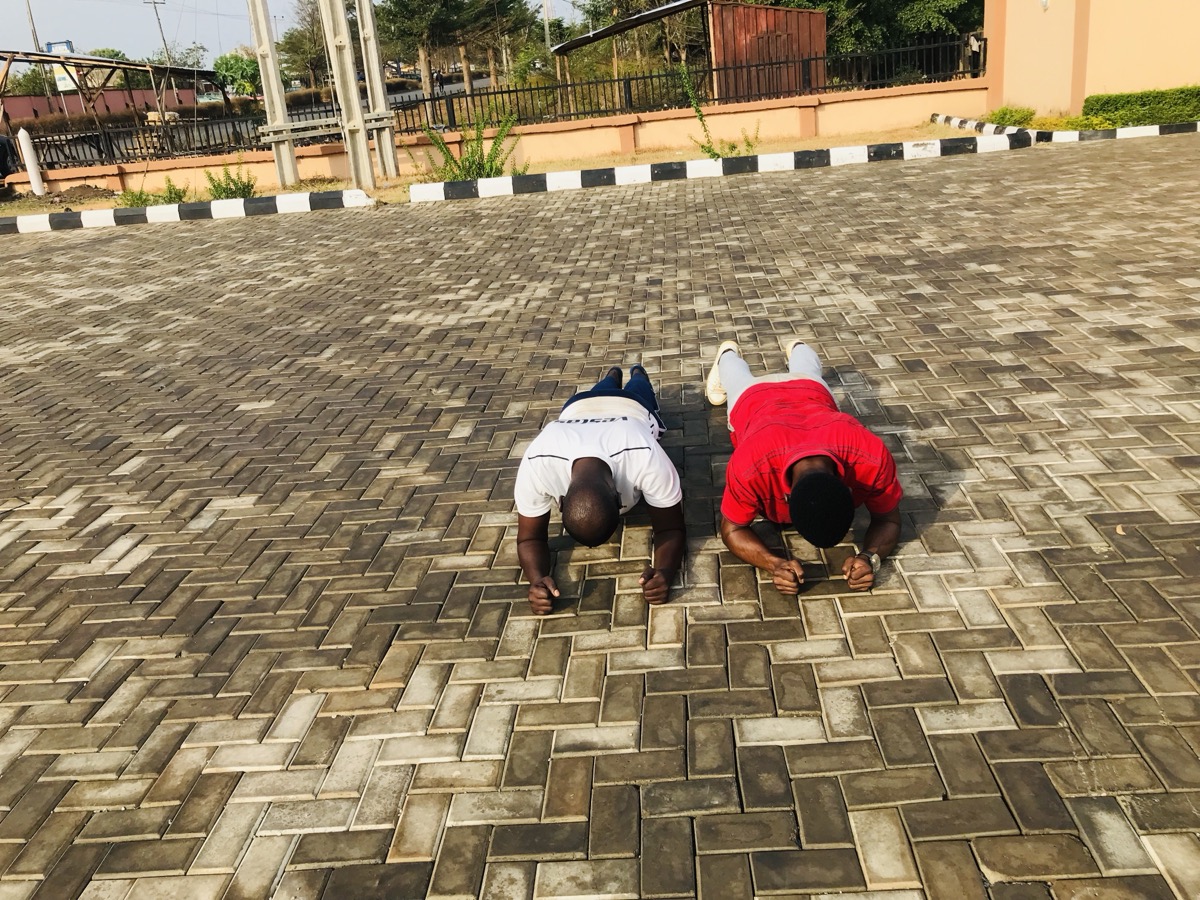
Start keeping promises to yourself again by making the smallest possible promise you cannot fail to keep, then keeping it for 30 days straight. Ten pushups. One page of reading. Two minutes of silence. The specific activity is almost irrelevant. What matters is the pattern: say it, do it, repeat.
BJ Fogg's research at Stanford, summarized in his 2019 book Tiny Habits, documented that the smallest viable version of a behavior has the highest adherence rate because it removes the internal argument. You cannot talk yourself out of two pushups. You can talk yourself out of a workout. The small version happens. The big version negotiates. Your brain starts to update after about two weeks and fully recalibrates around day 30.
James Clear captures the identity mechanism in Atomic Habits: "Every action you take is a vote for the type of person you wish to become." Keeping promises to yourself is not primarily about the activities. It is about casting votes for the identity of someone who keeps their word. Enough votes and the identity updates. After the update, self-discipline runs on a different foundation than willpower alone. (Related: How to Build Your Identity.)
What is an unconditional oath and why does it work?
An unconditional oath to yourself is a promise with no escape clauses. No "unless I am tired." No "unless something comes up." No "unless I do not feel like it." Conditions are where broken promises hide. Remove the conditions and the oath either happens or it does not, which is exactly the clarity the foundation requires.
The reason unconditional oaths work is that they collapse the negotiation that broken promises live in. If the promise is "I will do ten pushups every day no matter what," there is no bargaining. You do them or you do not, and you know which. If the promise is "I will try to work out when I can," the outcome is always negotiable, which means it is always loseable.
Roy Baumeister and John Tierney's 2011 book Willpower: Rediscovering the Greatest Human Strength documented that precommitment strategies (like making decisions before situations arise) dramatically outperform in-the-moment willpower. The unconditional oath is a precommitment. You made the decision. Your future self does not get to renegotiate. That structure, not daily heroics, is what self-discipline actually is. (Related: How to Stay Disciplined When You Don't Feel Like It.)

How do I make the oath sustainable long-term?
Make the oath sustainable by starting with three non-negotiables, not ten. Three is the ceiling most people can keep daily without the system collapsing. Something physical. Something mental. Something you owe to yourself. Each one small enough to complete on the worst day, meaningful enough to move you forward.
Review the three non-negotiables monthly. Some will have become so automatic that they no longer count as oaths, which means they have become identity and you can add a new one in that slot. Others will have drifted or stopped fitting, which is a signal to revise rather than quit. The oath system evolves with you. What does not evolve is the underlying commitment: you keep your word to yourself, in public and in private, as a matter of architecture.
The accumulated effect across a year is substantial. Day after day, the kept oath compounds into a different self-concept. You are no longer someone who makes and breaks promises. You are someone who keeps them. The shift is visible to the people around you and, more importantly, to you. (Related: Identity-Based Discipline.)
Being THE ONE
THE ONE keeps the oath.
Makes small promises to themselves. Keeps them. Stacks them across months until the kept-promise identity is the default.
THE ONE treats the oath to yourself as structural, not aspirational. Rebuilds the inner foundation one small kept commitment at a time, because the base everything else rests on was cracked by years of broken promises.
THE ONE knows keeping promises to yourself is measured in private. In the unseen kept promises that no one will ever know about except you.
Tonight, before you sleep, make one promise to yourself for tomorrow morning.
One small, specific, unconditional promise.
Wake up and keep it.
Do that for thirty days and see what changes.
The oath you make to yourself is the most important oath you will ever make.
Be the one who starts treating it that way.
Sources
- Baumeister, R. F., & Tierney, J. (2011). Willpower: Rediscovering the Greatest Human Strength. Penguin Press. Research on self-regulation, precommitment, and sustaining behavior change. https://www.penguinrandomhouse.com/books/307740/willpower-by-roy-f-baumeister-and-john-tierney/
- Fogg, B. J. (2019). Tiny Habits: The Small Changes That Change Everything. Houghton Mifflin Harcourt. Stanford research on minimum-viable commitments as the highest-adherence starting point. https://www.tinyhabits.com/
- Clear, J. (2018). Atomic Habits: Tiny Changes, Remarkable Results. Avery. Identity-based habits and the voting model of self-construction. https://jamesclear.com/atomic-habits
Ready to put this into practice? Check your identity alignment and see where you actually stand.