Identity
How to Stop People Pleasing: Signs, Scripts, and Boundaries
People pleasing looks like kindness from the outside, but inside it often feels like fear, over-responsibility, and self-abandonment. You stop by learning the signs, pausing before the automatic yes, using simple boundary scripts, tolerating the guilt, and building enough self-trust that approval stops functioning like oxygen.

In this article
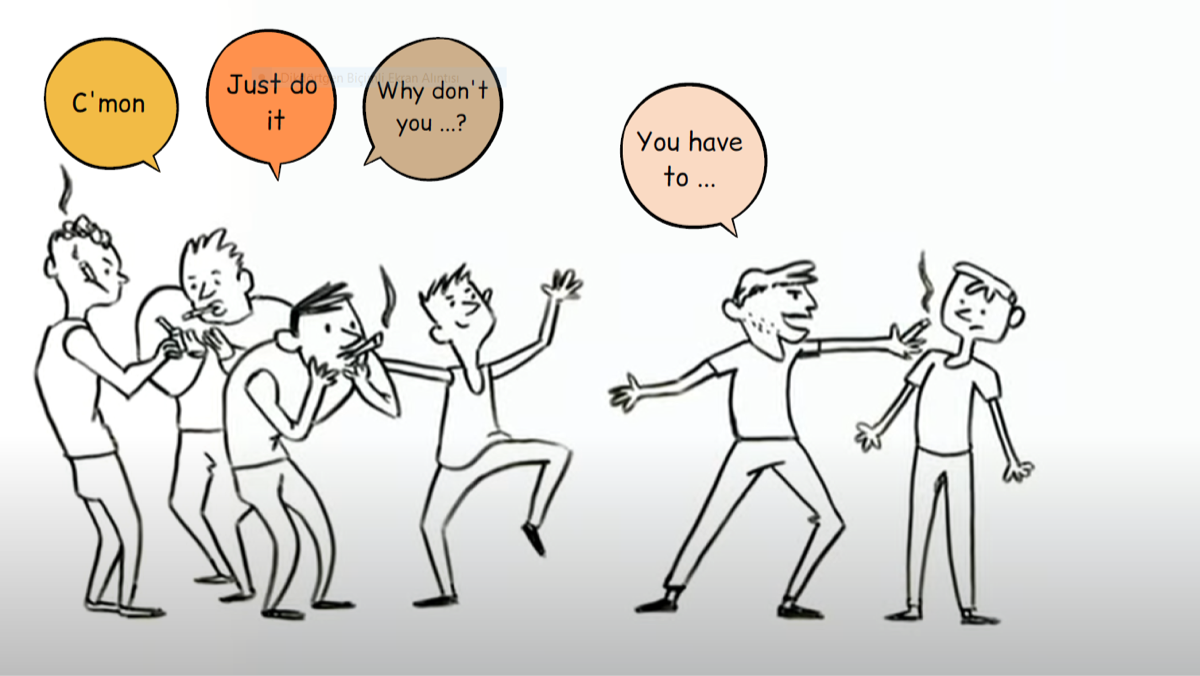
How to stop people pleasing starts with seeing the pattern clearly: prioritizing other people's comfort, approval, or emotional reactions over your own needs, limits, and honest preferences. It can look like kindness from the outside. Inside, it often feels like fear.
People pleasing is not the same as being kind.
Kindness has choice in it. People pleasing has compulsion. Kindness comes from fullness. People pleasing comes from the fear that if you stop giving, smoothing, agreeing, apologizing, and over-explaining, love or safety will disappear.
The work is not to become cold. The work is to become honest. That is the center of how to stop people pleasing without abandoning generosity.
How do you stop people pleasing?
Stop people pleasing by inserting a pause before every automatic yes, naming what you actually want, practicing small low-risk refusals, and using simple boundary scripts instead of long explanations. The guilt that follows is not proof you did something wrong. It can be a learned alarm that appears when an old approval pattern is interrupted.
The pattern changes through repetition. You teach your nervous system, in small doses, that disagreement is survivable, disappointment is not danger, and love that requires self-abandonment is not love you can build on.
Start with this four-step protocol:
- Pause: "Let me check and get back to you."
- Check: "Is this a real yes, or fear of the reaction?"
- Answer clearly: "That does not work," or "Tuesday works, not tonight."
- Stop defending: repeat the boundary once, then let the discomfort exist.
If you are unsure whether a limit protects connection or shuts everyone out, use the distinction in Boundaries Are Not Walls before choosing the script.
If a boundary could put you in physical, financial, or emotional danger, do not treat this as a simple communication exercise. Get support from a qualified professional, trusted advocate, or local support service before confronting the person. Safety comes before scripts.
This article is educational, not a diagnosis or a replacement for therapy. People pleasing can overlap with trauma, anxiety, coercion, cultural expectations, and ordinary conflict avoidance; a checklist cannot determine which explanation applies to you.
Signs you are a people pleaser
The easiest way to recognize people pleasing is to watch for the gap between what you say and what is true inside you. The wider that gap gets, the more likely approval seeking has replaced honest choice and people pleaser recovery needs to begin. If the gap extends across most rooms, use the safe-unmasking map to identify what the performed version is protecting.
| Sign | What it sounds like | What is happening underneath |
|---|---|---|
| Automatic yes | "Sure, no problem" before checking capacity | Fear of disappointing someone |
| Over-apologizing | "Sorry, sorry, sorry" for normal needs | You feel responsible for others' comfort |
| Preference hiding | "Whatever you want is fine" | Your wants feel inconvenient |
| Emotional monitoring | Constantly scanning moods | You learned other people's feelings were your job |
| Resentful helping | You help, then feel invisible or used | The yes was not fully honest |
| Over-explaining | Long defense for a simple no | You do not feel allowed to have limits |
| Conflict avoidance | You agree in public and disagree privately | Approval feels safer than truth |
| Self-abandonment | You betray your needs to stay connected | Belonging feels conditional |
One or two signs do not mean you have a life-defining problem. Everyone accommodates sometimes. People pleasing becomes costly when accommodation is your default response even when it violates your body, time, values, or truth. If a punishing internal voice makes every preference feel selfish, work through The Inner Critic alongside the boundary practice. (Related: Identity Is Not a Feeling.)
Is people pleasing always a trauma response?
No. People pleasing is not always a trauma response. It can come from temperament, family culture, gender expectations, workplace incentives, religious or social conditioning, rejection sensitivity, low self-worth, or a long history of being rewarded for being easy. When the pattern is carried by a fixed belief such as "my needs make me unlovable," Break Limiting Beliefs provides a separate way to test that belief against current evidence.
It can also function as the fawn response, a survival pattern where appeasing others becomes the safest available strategy. Pete Walker popularized the term "fawn" in the context of complex trauma: becoming useful, agreeable, and non-threatening to reduce danger. "Fawn" is a useful descriptive term, not a standalone clinical diagnosis.
A 2025 questionnaire study of 2,203 Chinese university students found that higher people-pleasing scores were associated with lower mental well-being. The study helps establish a measurable pattern in that population, but its cultural context, student sample, and self-report design limit how broadly the result should be applied.
The distinction matters. If people pleasing is a mild habit, assertiveness practice may be enough. If it is tied to trauma, coercion, abuse, or panic, healing may require deeper support. Do not shame yourself either way. The behavior probably made sense somewhere. The question is whether it still deserves control of your life. (Related: Fear Is a Compass.)
Why does saying no feel so guilty?
Saying no feels guilty because your system learned that approval equals safety. When you violate the old rule, the body sends an alarm. The alarm says "danger," but the actual event may only be "someone is mildly disappointed."
This is why people pleasing guilt is often out of proportion. You decline a dinner invitation and feel like you committed a moral crime. You ask for more time and feel selfish. You express a preference and wait for punishment. The guilt is old programming, not current evidence.
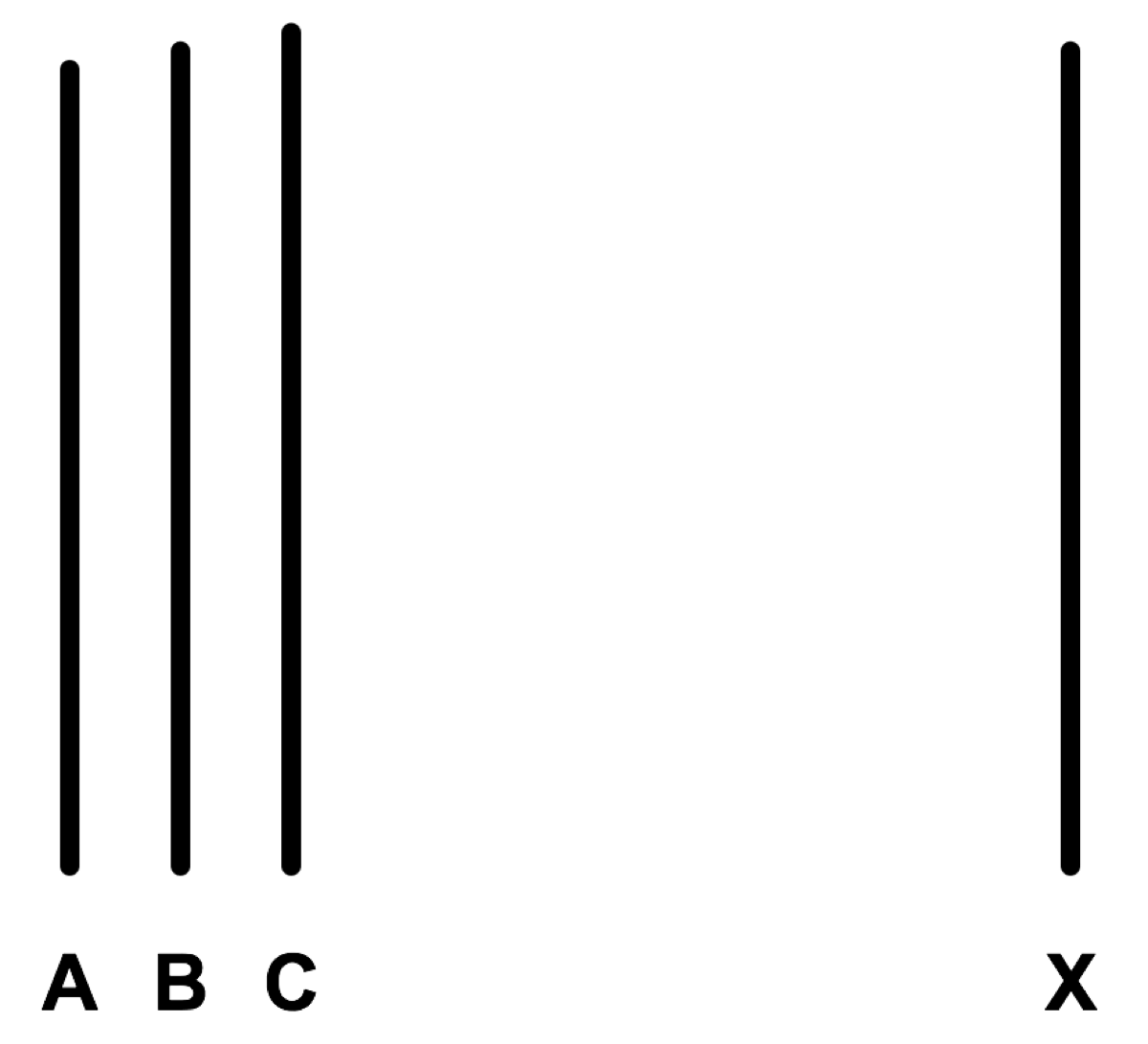
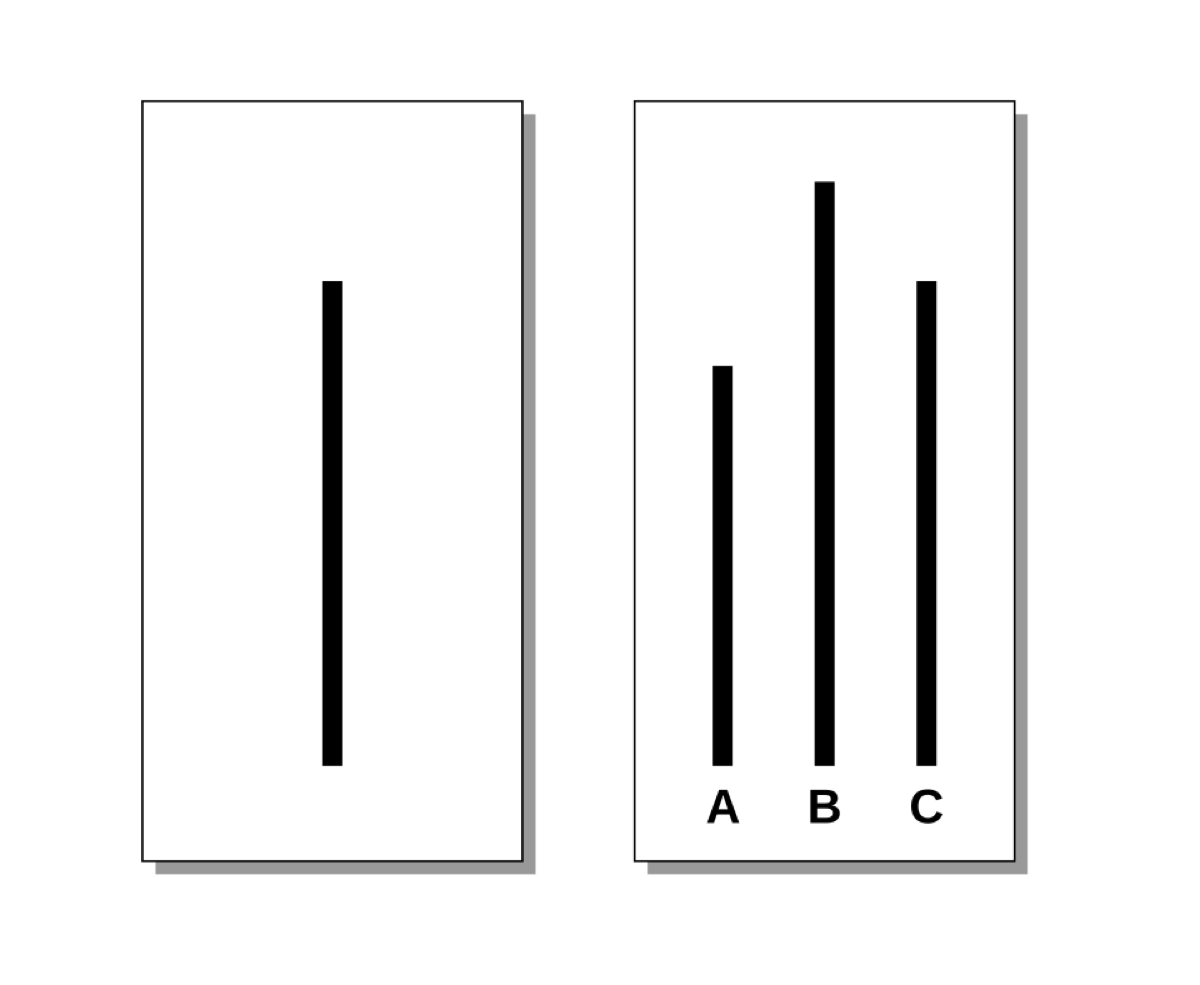
Solomon Asch's conformity experiments show how strongly group pressure can influence stated judgments even on simple line-comparison tasks. They did not study people pleasing, trauma, or intimate relationships directly. They offer an analogy for social pressure, not proof of why a particular person struggles to say no.
The way out is not to argue with guilt until it disappears. The way out is to act from values while guilt is present, then let the nervous system learn from the outcome. Make discomfort a practice first in low-stakes situations. (Related: Silence Is a Weapon.)
Boundary scripts for people pleasers
People pleasers often fail at boundaries because they try to improvise while anxious. Scripts help. They keep the boundary short, respectful, and difficult to pull apart. They also make how to stop people pleasing practical in the exact moment the old automatic yes wants to take over.
| Situation | Script |
|---|---|
| You need time | "Let me check capacity and answer tomorrow." |
| You are unavailable | "That is not possible this week." |
| You can offer less | "Available for 30 minutes, not the whole thing." |
| Someone pushes | "The disappointment makes sense. The answer is still no." |
| You need a topic to stop | "This topic is not open right now." |
| You are asked for a favor | "That does not work for me." |
| You disagree at work | "Here is the concern..." |
| You need space | "This relationship matters, and this conversation needs a pause." |
| You are invited | "Thank you for inviting me. Passing this time." |
| You made a decision | "The decision is made." |
The best boundary is boring. It does not prosecute the other person. It does not give a 19-minute closing argument. It states the limit and leaves room for the other person to have feelings about it.
What if people get upset when you stop people pleasing?
Some people will get upset. That does not automatically mean you did something wrong. It means the relationship system is adjusting to new information: you have limits.
There are three common reactions:
| Reaction | What it means | How to respond |
|---|---|---|
| Healthy disappointment | They are sad but respectful | Acknowledge it and keep the boundary |
| Negotiation | They look for a compromise | Offer what is actually available, if anything |
| Punishment | They guilt, mock, threaten, withdraw love, or retaliate | Reduce access and get support if needed |
Healthy people may feel disappointed by your boundary and still respect it. Controlling people treat your boundary as an attack. That difference gives you useful information. The companion guide You Teach People How to Treat You explains how consistent follow-through changes the relationship pattern.
The goal is not to make every relationship survive your recovery. The goal is to stop paying for connection with self-erasure. (Related: The Art of Saying No.) (Related: Your Word Is Your Bond.)
How to stop people pleasing in 30 days
Do this slowly. You are training a new response under social pressure. A 30-day people pleaser recovery plan works because it makes how to stop people pleasing small enough to practice before high-stakes relationships test it.
Structured assertiveness practice has some empirical support, although it should not be oversold. In one 2016 quasi-experimental study, 126 Iranian high school students completed eight weeks of assertiveness training; anxiety and stress outcomes improved relative to the control group, while the depression difference was not statistically significant. That study supports practicing assertiveness skills, not this exact 30-day schedule or every adult relationship context.
| Days | Practice | Example |
|---|---|---|
| 1-3 | Track every automatic yes | Write down the request, your answer, and what you felt |
| 4-7 | Use the pause script | "Let me check and get back to you" |
| 8-10 | State one preference daily | Restaurant, timing, movie, route, meeting format |
| 11-14 | Give one low-stakes no | Decline something small without over-explaining |
| 15-18 | Reduce apologies | Replace unnecessary "sorry" with "thank you for waiting" |
| 19-22 | Set one time boundary | "Available until 6:30" |
| 23-26 | Hold a repeated boundary | Repeat once without adding new defenses |
| 27-30 | Review the relationship data | Who respected the new honesty, who punished it? |
The boundary rehearsal worksheet
Complete this before answering a request that usually triggers an automatic yes. The worksheet slows the interaction down and separates the actual limit from the feared reaction.
| Request | Automatic answer | What I can honestly offer | Feared reaction | One-sentence script | What actually happened |
|---|---|---|---|---|---|
| Example: cover an extra shift | "Yes, no problem" | Not available this week | They will think I am selfish | "I cannot cover this one." |
Start with low-risk situations. Do not use a worksheet as a substitute for a safety plan in an abusive, coercive, or retaliatory relationship.
Progress is not feeling no guilt. Progress is telling the truth faster and recovering from guilt sooner.
Approval seeking versus generosity
Use this test when you are unsure whether you are being generous or people pleasing.
| Generosity | People pleasing |
|---|---|
| Giving feels chosen | Giving feels required to prevent upset |
| You still feel connected to yourself | You disappear from the equation |
| You can say no without panic | No feels dangerous |
| You give within capacity | You give past resentment |
| You choose from values | You comply from fear |
| The relationship can handle honesty | The relationship requires performance |
Real generosity does not require self-betrayal. It may cost effort, time, and sacrifice, but it does not require you to lie about your limits. (Related: How to Find Yourself.)
FAQ
What causes people pleasing?
People pleasing can come from family conditioning, fear of rejection, trauma, low self-worth, cultural expectations, workplace rewards, or learning that being useful was the safest way to stay connected. The cause matters less than identifying the pattern and practicing a new response.
Is people pleasing manipulation?
Sometimes it can become indirectly manipulative, even when the intention is not malicious. If you hide your real needs and then resent others for not knowing them, the relationship loses honesty. Recovery means making clean requests and clean refusals.
Can you stop people pleasing without becoming selfish?
Yes. Boundaries do not remove kindness. They make kindness honest. You can care about people, help people, and show up generously without treating your needs as irrelevant.
Why do people freeze when someone asks for something?
You may be leaving the present moment and entering an old threat pattern. That is why the pause script matters. It gives your nervous system time to return before you answer.
What if relationships change when boundaries appear?
You might lose relationships that depended on your self-abandonment. That hurts, but it also reveals which connections were built on performance. The relationships that can handle your honesty become more real.
Being THE ONE
THE ONE is not a performer.
THE ONE does not earn love through exhaustion. Does not prove worth through sacrifice. Does not build relationships on the foundation of self-abandonment.
THE ONE shows up fully and honestly. Says yes when they mean yes. Says no when they mean no. Feels the guilt when it arrives, and does the right thing anyway, because the guilt is old programming and the action is current values.
Your worth was never in what you gave others.
It was always in who you are.
Stop abandoning yourself to make the room comfortable.
Let the relationships that needed your self-abandonment reveal themselves.
Let the people who valued your performance meet your truth.
The ones who stay will know you better.
Be the one who gives from fullness, not from fear.
Sources
- Walker, P. (2013). Complex PTSD: From Surviving to Thriving. Azure Coyote. Foundational text on the fawn trauma response and people-pleasing behavior. https://www.pete-walker.com/complex_ptsd_book.html
- Asch, S. E. (1956). "Studies of independence and conformity: A minority of one against a unanimous majority." Psychological Monographs, 70(9), 1-70. The line-judgment conformity studies. https://doi.org/10.1037/h0093718
- Kuang, X., Li, H., Luo, W., Zhu, J., & Ren, F. (2025). "The Mental Health Implications of People-Pleasing: Psychometric Properties and Latent Profiles of the Chinese People-Pleasing Questionnaire." PsyCh Journal. Validation study involving 2,203 Chinese university students. https://pmc.ncbi.nlm.nih.gov/articles/PMC12318589/
- Eslami, A. A., Rabiei, L., Afzali, S. M., Hamidizadeh, S., & Masoudi, R. (2016). "The Effectiveness of Assertiveness Training on the Levels of Stress, Anxiety, and Depression of High School Students." Iranian Red Crescent Medical Journal, 18(1), e21096. Eight-session quasi-experimental study with 126 students. https://pmc.ncbi.nlm.nih.gov/articles/PMC4752719/
- Speed, B. C., Goldstein, B. L., & Goldfried, M. R. (2018). "Assertiveness Training: A Forgotten Evidence-Based Treatment." Clinical Psychology: Science and Practice. Review of assertiveness training as a clinical skill. https://doi.org/10.1111/cpsp.12216
- Hanson, R., & Hanson, F. (2024). "The Fawn Response: People Pleasing, Self-Abandonment, and Standing Up for Yourself." Being Well Podcast episode used as the embedded video resource. https://rickhanson.com/being-well-podcast-the-fawn-response-people-pleasing-self-abandonment-and-standing-up-for-yourself/
Ready to put this into practice? Measure your identity shift and see where you actually stand.