
The Self-Worth Guide
Your value is not up for debate. It is not determined by who stays, who promotes you, or who follows you back. This guide is about reclaiming what was always yours.
7 min read
A little deeper
Your value is not negotiable. Stop outsourcing it.
Start here
How to stop outsourcing your value and rebuild self-worth from the inside out.
Your value is not up for debate. It is not determined by who stays, who promotes you, or who follows you back. This guide is about reclaiming what was always yours.
You are not generous. You are afraid. And every "yes" you do not mean is a brick in the wall between you and the person you actually are.
You do not have a confidence problem. You have an outsourcing problem. You gave the world the job of telling you who you are, and now you cannot function without the feedback.

The voice that calls you a fraud is not a verdict on your ability. It is a story your mind tells when growth outpaces your self-image. You beat imposter syndrome by collecting evidence, not by waiting to feel ready.

The story you tell yourself about who you are quietly runs your life. That self-talk is not fixed. It is a draft you can revise, and editing it changes how you act, how you recover, and who you become.

Comparison is the thief of joy describes how someone else's success can overshadow your own life. Its popular attribution to Theodore Roosevelt is unverified. This guide explains the phrase through a familiar scrolling habit, shows what research found, and gives you a five-minute feed audit.

The test never stops. Life does not stop testing you once you get strong. It tests harder. Research on deliberate practice, comfort decay, and post-success discipline shows the real test is the one that arrives when things finally feel good. That is when most people slip.

Leaving your comfort zone should expand capability, not manufacture crisis. Learn the difference between comfort, growth, and overload, then use a reversible exposure ladder to stretch with feedback and recovery.

Show up ugly is the practice of acting before you feel ready, producing before you feel qualified, and releasing before you feel polished. Research on perfectionism, growth mindset, and the taste-skill gap shows the people who build things are not the most talented. They are the ones willing to be seen in process.

The three AM test is simple. Who you are at 3am when nobody is watching is who you really are. Research on self-concept integration, authenticity, and the cost of impression management shows the gap between the public self and the three AM self is the measure of your structural integrity.

The person in the arena is the one whose opinion counts. Roosevelt said it a century ago. Research on exposure tolerance, vulnerability, and spectator bias shows the stands offer zero risk and zero reward. The arena offers maximum risk and maximum possibility. Step in.

Mirror work is not affirmations. It is confrontation. Stand in front of yourself, look into your own eyes, and tell the truth you have been running from. That is where change actually starts, because you cannot change what you refuse to see. The mirror is the one tool that does not let you perform.

Unrealized potential is not a compliment. It is a psychological burden that compounds the longer it goes unaddressed. Research on self-discrepancy theory shows the gap between actual self and ideal self produces ongoing distress. The only way to lighten the weight is to convert it into action.

Self discipline that lasts is anchored in identity, not in willpower or rules. Change who you believe you are and the behaviors align without force. Change only the behaviors and willpower runs out by evening. Identity-based discipline is the shift that makes discipline sustainable instead of exhausting.

Quiet confidence is evidence-based self-assurance that does not need volume, validation, or performance to hold its ground. Built from kept promises and faced challenges, it deepens under scrutiny while loud confidence cracks. The research shows it outperforms displayed confidence on every meaningful outcome.
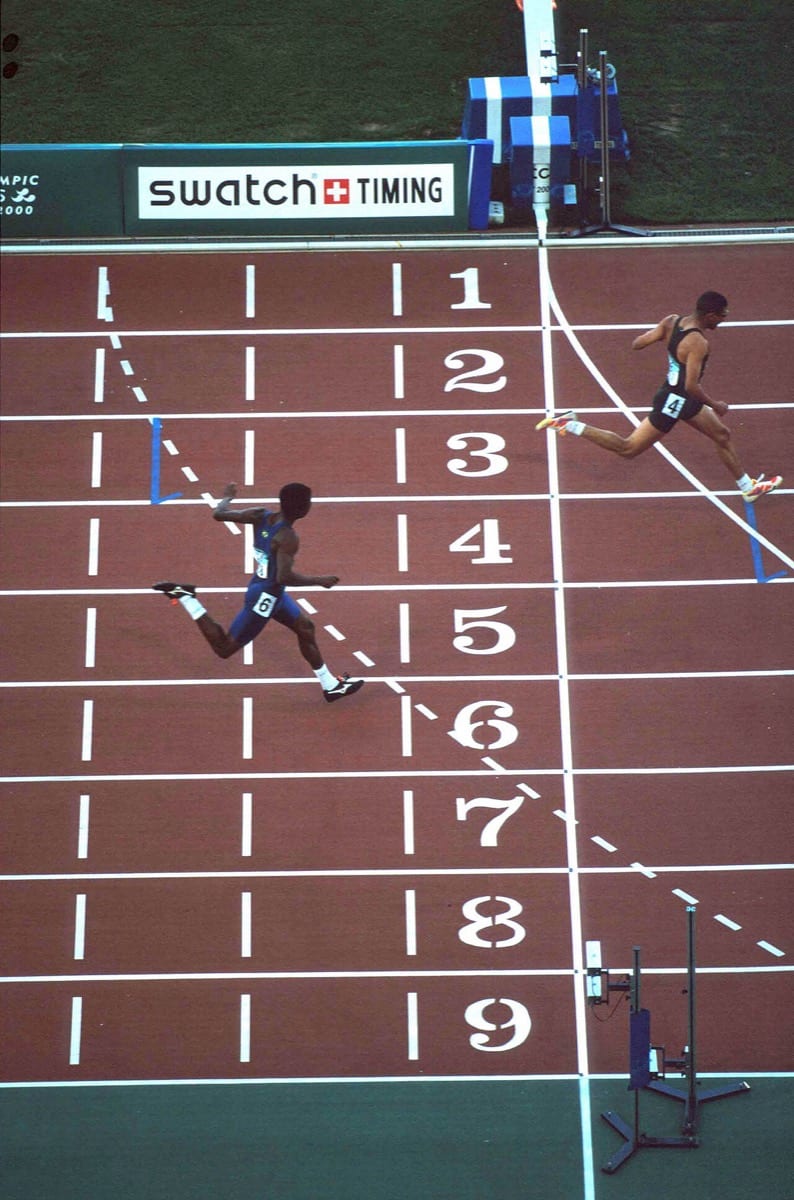
Jealousy and envy are the predictable output of a comparison habit you never examined. Measuring your full inner experience against someone else's curated surface is a rigged game you cannot win. The only valid comparison is you today versus you yesterday. Run your own race. The scoreboard for anyone else's life is not your scoreboard.

Solitude is chosen time alone; loneliness is the painful feeling that your relationships are not meeting your needs. Learn when walking alone restores you, when it becomes isolation, and how to stay connected while following your own path.

The strength in weakness is the paradox that real power grows from honestly naming what you cannot yet do. Research on vulnerability, self-compassion, and growth mindset shows admitting weakness is the first move toward building strength the performer never develops.

Why habits fail is rarely explained by one missing ingredient. Your self-image can influence a choice, but so can the cue, effort, environment, and time available. Learn how identity and behavior support each other, then build a seven-day experiment around one small action you can repeat.
People pleasing looks like kindness from the outside, but inside it often feels like fear, over-responsibility, and self-abandonment. You stop by learning the signs, pausing before the automatic yes, using simple boundary scripts, tolerating the guilt, and building enough self-trust that approval stops functioning like oxygen.

Why self-help doesn't work for most people is that the entire model is built on the premise that you are broken and need fixing. Research on habit formation and self-analysis shows consumption does not produce change. Stop fixing yourself and start building.

No external rescuer is going to fix your life. The moment you stop waiting, the responsibility and the power shift to where they always belonged. That is where everything changes.

Stop waiting for permission that only you can grant. The authority you seek outside yourself does not exist. It was always yours. Permission seeking is responsibility avoidance disguised as humility. No one is coming to authorize your life. The moment you grant yourself permission is the moment the waiting ends.

Self worth is the recognition that your fundamental value exists independent of achievement, approval, or arrival. You are enough before you prove it, not because of what you have done. Being enough does not mean being finished. It means the foundation is not in question while you build the rest of the life.

The freedom to change is the inner capacity to choose your response to any circumstance. Viktor Frankl called it the last human freedom. Research on psychological flexibility and cognitive reappraisal shows this freedom is trainable, permanent, and the foundation of every other change worth making.

Stop seeking validation from people who are doing less than you. Every moment spent managing what others think is a moment stolen from creating what matters. The approval addiction is the invisible cage most people spend their lives inside. Breaking out means trusting your own judgment more than the crowd's applause.

Learning how to practice radical honesty begins with telling yourself the truth, then speaking clearly without turning honesty into a weapon. This guide shows how to name what you observe, feel, think, and want while protecting consent, timing, boundaries, and the dignity of the person listening.

Limiting beliefs form in childhood or after emotional wounds and become an unconscious pact with yourself. They are a way of self-sabotage. You agreed, somewhere, to never fully win. At 80 percent of winning? Boom, you give up for no real reason. The cost is measured in years of being stuck.
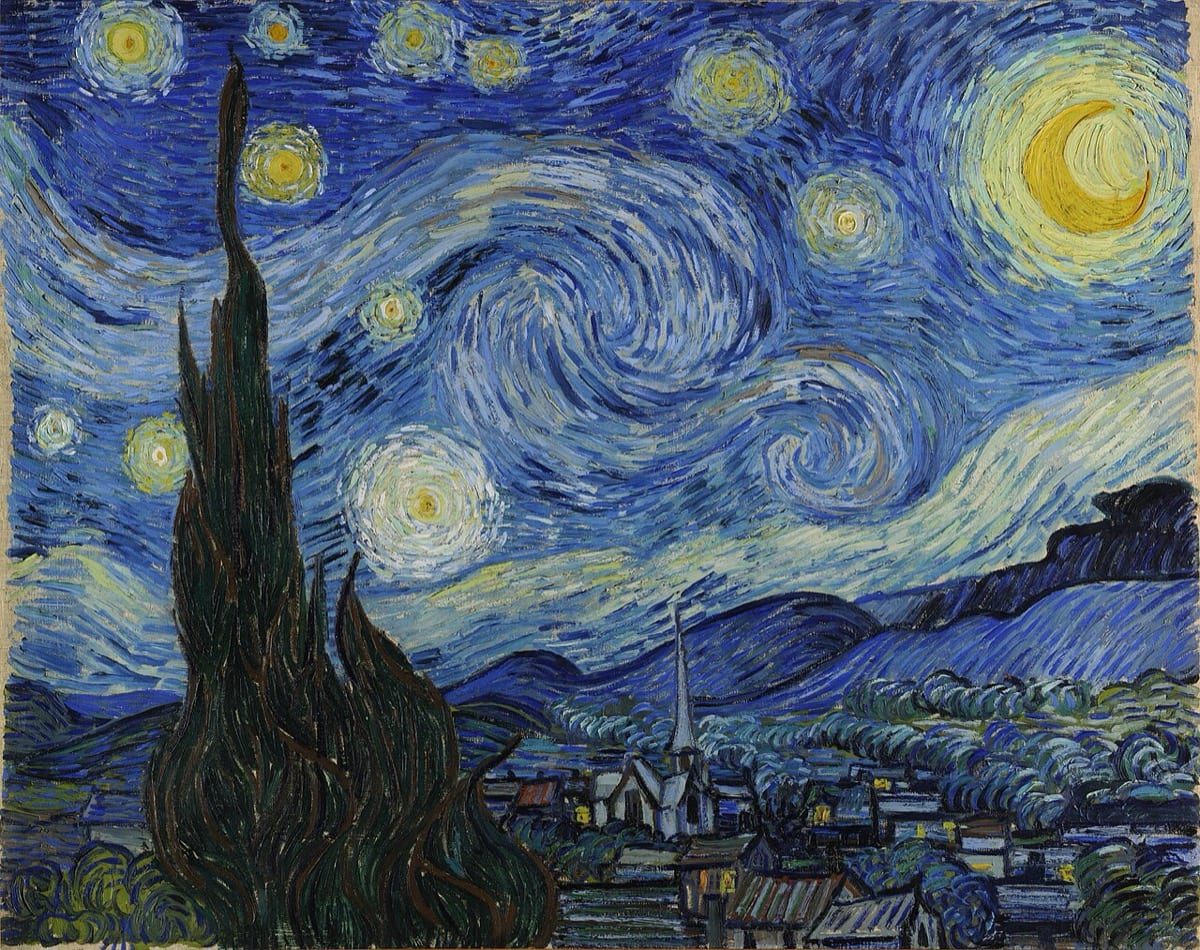
True identity is the self beneath the programming, the roles, and the inherited beliefs. The world is designed to make you forget. Your job is to remember, not who they told you to be, but who you actually are. Remembering is peeling away what was never yours.

Mind mastery is separating your identity from your thoughts. You are the awareness behind the mental activity, not the activity itself. Research on mindfulness, cognitive defusion, and the observer self shows the difference between being dragged by the current and standing on the riverbank.