Identity
Solitude vs Loneliness: When Walking Alone Helps
Solitude is chosen time alone; loneliness is the painful feeling that your relationships are not meeting your needs. Learn when walking alone restores you, when it becomes isolation, and how to stay connected while following your own path.

In this article
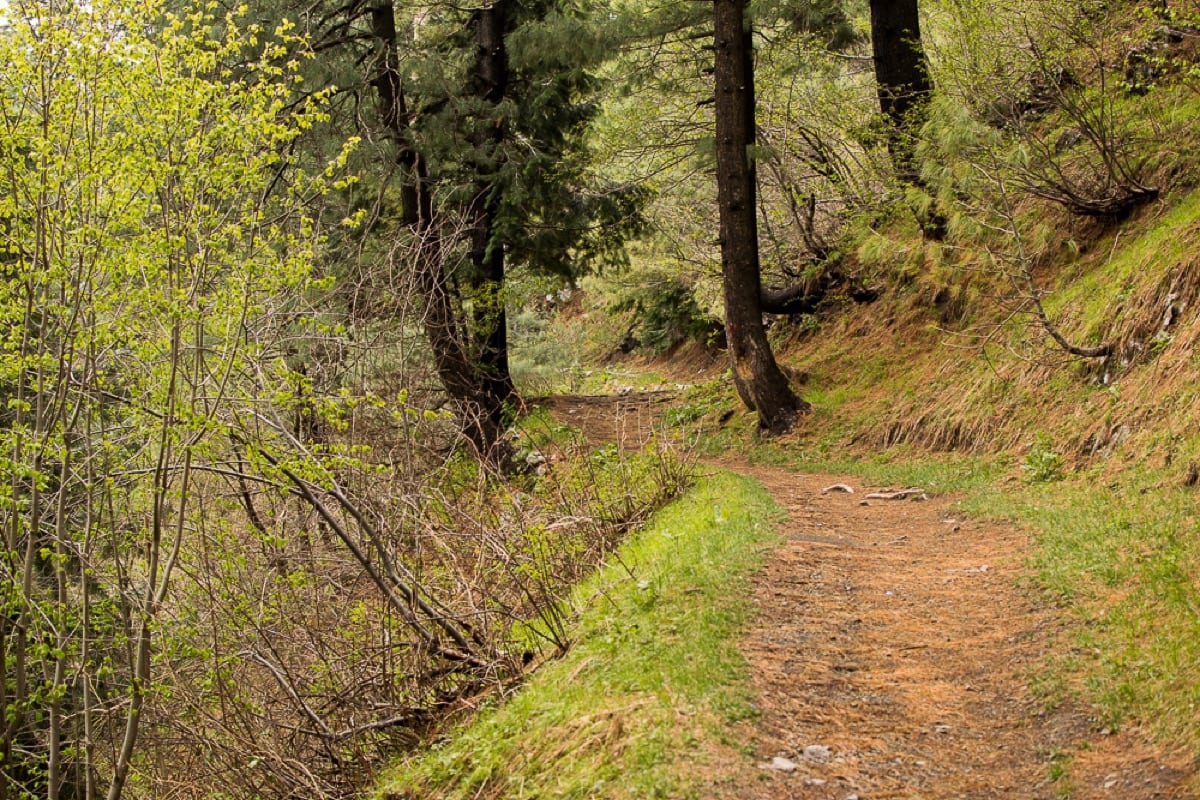
Solitude vs loneliness is the difference between chosen time alone and the painful feeling that needed connection is missing. Social isolation is an objective lack of contact. Walking alone can be healthy when it is voluntary, time-limited, and restorative; it becomes a warning sign when it is unwanted, depleting, or steadily cutting you off from support.
It is Friday evening. You decline an invitation because the week has been loud and you want a quiet walk. You return a little steadier and send a friend a message about meeting tomorrow.
Another Friday looks similar from the outside. This time you want company, but assume nobody wants you there. You cancel, scroll alone, and find the next invitation harder to accept.
The number of people in the room is the same. What you wanted, what the time did for you, and whether you can reconnect are different. That is the distinction this guide helps you notice.
Two evenings alone · different needs
“I need some quiet.”
You choose a break, do something restorative, and keep a way back to people.
Possible next step: protect a modest period of solitude.
“I wish someone were here.”
You want connection, withdraw anyway, and feel increasingly cut off.
Possible next step: make one safe contact or ask for support.
Illustrative situations, not a diagnostic test. Solitude and loneliness can overlap in the same evening.
The Stillness Practice offers structure for chosen quiet. The Silent Hours explores reducing input while keeping relationships intact.
What is the difference between solitude, loneliness, and isolation?
The solitude vs loneliness distinction separates an activity from an emotional experience. Solitude is usually voluntary. Loneliness is subjective distress. Isolation describes limited contact, whether the person chose it or not. A person can feel lonely in a crowded room, enjoy a quiet afternoon alone, or be socially isolated without initially feeling lonely.
| Experience | What it means | Common signal | Helpful response |
|---|---|---|---|
| Purposeful solitude | Chosen time alone for rest, focus, reflection, or independent action | You return clearer or steadier | Protect the time and set a point to reconnect |
| Loneliness | A painful gap between the connection you want and the connection you experience | You feel unseen, unwanted, or emotionally disconnected | Name the kind of connection missing and contact someone safe |
| Social isolation | Little contact or participation with other people | Days pass with few meaningful interactions | Rebuild regular contact and practical support |
| Avoidant withdrawal | Time alone used mainly to escape fear, conflict, shame, or vulnerability | Relief arrives first, but life becomes smaller | Take one low-risk step back toward people or seek professional help |
The categories can overlap. Chosen solitude may still contain a moment of loneliness. A lonely person may also need an hour alone to settle. Treat the labels as a decision aid, not a diagnosis.
When does walking alone help?
Walking alone helps when it gives you enough distance to regulate emotion, think without social pressure, or act on a value that does not yet have group support. In four experiments, Nguyen, Ryan, and Deci found that solitude tended to reduce high-arousal positive and negative emotion. When participants actively chose to be alone, it could also support relaxation and lower stress.
That finding is narrower than “solitude makes you better.” The study examined short periods and emotional arousal; it did not prove that long-term isolation creates confidence, success, or creativity. For the solitude vs loneliness question, a later study followed 178 adults through a 21-day diary. More time alone related to both costs and benefits, while choiceful motivation changed how the time was experienced.
Healthy solitude usually has three qualities:
- It is chosen. You are moving toward reflection, rest, or meaningful work rather than being excluded.
- It has a purpose. You know what the time is for, even if the purpose is simply recovery.
- It preserves connection. You can still ask for help, keep commitments, and return to people who matter.
Walking alone in life does not require rejecting every companion. It means you can take the next right step without making consensus a prerequisite. Stop Waiting for Permission applies that principle to action; What Others Think applies it to approval.
When does solitude become unhealthy isolation?
Solitude becomes unhealthy when it repeatedly leaves you more depleted, makes ordinary contact feel harder, or becomes the only way you can feel safe. The warning is not a specific number of hours. It is a worsening pattern.
Use these five signs to reflect after time alone. They are prompts for noticing a pattern, not a score that diagnoses your mental health:
| Ask yourself | Restorative answer | Warning answer |
|---|---|---|
| Did I choose this? | Mostly yes | No, or fear made the choice for me |
| What happened to my energy? | I feel calmer or more focused | I feel numb, hopeless, or more agitated |
| Can I reconnect? | Yes, without unusual dread | I keep cancelling and hiding |
| Is my life expanding? | I am preparing, creating, or deciding | My world and responsibilities are shrinking |
| Can I ask for help? | Yes | I believe nobody can know or support me |
Do not romanticize persistent loneliness as proof that you are on an exceptional path. Research links unwanted loneliness and isolation with poorer health and well-being; purposeful solitude is not a substitute for belonging. Guard Your Peace should not become a reason to avoid every difficult but healthy interaction. If withdrawal lasts for weeks, interferes with work or daily care, or comes with depression, panic, or thoughts of self-harm, contact a qualified mental health professional or local crisis service.
How can you walk your own path without cutting people off?
Keep direction independent and connection deliberate. In solitude vs loneliness decisions, the goal is not to make yourself need nobody. It is to stop outsourcing every important choice while maintaining relationships that allow honesty, mutual care, and enough support to stay grounded.
Try a connection floor: the minimum contact you protect even during an independent season. It might be one weekly meal with family, two check-ins with close friends, a recurring class, or a therapist appointment. Put it on the calendar before isolation decides for you.
Then separate disagreement from disrespect. Someone can question your plan and still care about you. You do not need to discard every person who cannot share your exact direction. Ask instead:
- Do they let me make my own decision?
- Can we disagree without contempt, coercion, or punishment?
- Do I feel able to be honest around them, or do I hide most of what matters?
- Can you offer the same freedom in return?
The right companions do not have to walk every mile. They respect that the path remains yours. Who You Spend Time With can help you audit which relationships support that balance, and Who Are You Becoming can clarify the direction that remains yours to choose.
A seven-day purposeful-solitude practice
Use this healthy alone time experiment to learn whether solitude is restoring you or helping you avoid something. It is a practical solitude vs isolation check, not a diagnosis. Keep the dose modest: 20 to 30 minutes each day, without feeds, messages, podcasts, or work.
| Day | Focus | Write one sentence about |
|---|---|---|
| 1 | Sit or walk without input | What became noticeable when the noise stopped? |
| 2 | Name the choice you are postponing | Whose approval are you waiting for? |
| 3 | Separate value from reaction | What are you moving toward, not merely away from? |
| 4 | Notice the emotional result | Did the time leave you calmer, lonelier, or numb? |
| 5 | Take one independent action | What can be done without more permission? |
| 6 | Reconnect deliberately | Who can hear the truth without taking over the decision? |
| 7 | Review the pattern | What dose of solitude and connection works best? |
At the end of the week, look for the pattern rather than demanding that every quiet session feel good. If the practice mostly strengthens avoidance, try replacing a session with a safe conversation or seek support. You can also change its length or activity. There is no universal optimal dose.

FAQ
Is walking alone the same as being lonely?
No. Walking alone describes the situation; loneliness describes how the situation feels. The solitude vs loneliness distinction explains why you can choose to walk alone and feel grounded, or be surrounded by people and feel lonely. Choice, emotional effect, and access to meaningful connection are better tests than physical company alone.
Is solitude good for mental health?
It can be. Short, chosen periods may reduce arousal, support reflection, and satisfy autonomy. More is not automatically better, and unwanted or prolonged isolation can be harmful. Judge solitude by its function and aftermath rather than treating it as universally healthy.
How much alone time is healthy?
There is no universal number. A healthy amount still lets you meet responsibilities, maintain important relationships, and return from the time alone with at least as much capacity as before. A sudden increase in withdrawal or a steady decline in mood matters more than an arbitrary hourly limit.
What if nobody supports your chosen path?
Check the decision against evidence, values, consequences, and advice from at least one person who can disagree without controlling you. Lack of applause does not make the path wrong, but opposition is still information worth examining. Independent judgment includes correcting yourself when the evidence changes.
Being THE ONE
THE ONE can move without unanimous approval.
Does not confuse independence with disconnection. Does not turn pain into a heroic identity. Understands solitude vs loneliness, uses quiet to hear clearly, then returns to relationships with more honesty.
Walk with others when the direction is shared. Walk alone when the choice is yours to make. Keep a path back to the people who help you stay human.
Be the one who can choose both direction and connection.
Sources
- Nguyen, T. T., Ryan, R. M., & Deci, E. L. (2018). "Solitude as an Approach to Affective Self-Regulation." Personality and Social Psychology Bulletin, 44(1), 92-106. Four experiments on solitude, arousal, and choice. https://doi.org/10.1177/0146167217733073
- Weinstein, N., Vuorre, M., Adams, M., & Nguyen, T.-V. T. (2023). "Balance between solitude and socializing: everyday solitude time both benefits and harms well-being." Scientific Reports, 13, 21160. Daily-life evidence on solitude, well-being, and choiceful motivation. https://pmc.ncbi.nlm.nih.gov/articles/PMC10698034/
- Long, C. R., & Averill, J. R. (2003). "Solitude: An Exploration of Benefits of Being Alone." Journal for the Theory of Social Behaviour, 33(1), 21-44. A theoretical account of constructive solitude and its conditions. https://doi.org/10.1111/1468-5914.00204
- Asch, S. E. (1956). "Studies of independence and conformity: A minority of one against a unanimous majority." Psychological Monographs, 70(9), 1-70. Foundational experiments on group pressure and independent judgment. https://doi.org/10.1037/h0093718
A direction of your own
What do you want the quiet to make room for?
If you are reflecting on your next step, the identity alignment quiz can help you compare your daily choices with what matters to you.
Reflect on my directionFor updates about the bethe.one app, join early access.