Identity
The Measure Of A Person
Character building happens in the quiet years before the test — not when pressure arrives. You do not rise to the occasion. You fall to the level of your preparation.

In this article
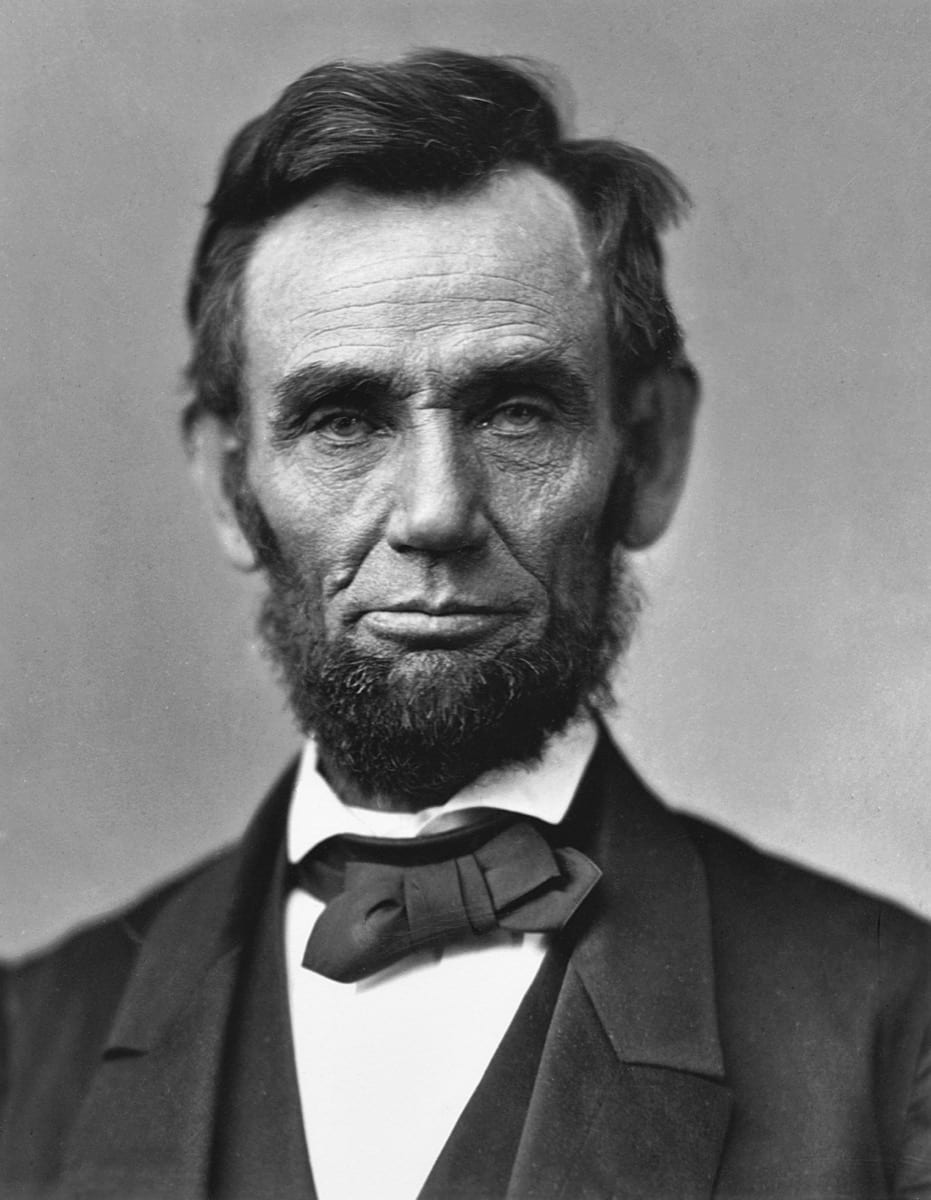
The real measure of a person is the pattern of choices they make when no one is watching, when the stakes are real, and when doing the right thing costs something. That pattern is not improvised in the moment. It is the product of character building done in the quiet years before the test ever arrives.
Anyone can be great when things are going well.
When the money is flowing. When the relationships are smooth. When the health is strong. When the world is cooperating.
The real measure of a person is who they are when none of that is true.
What's the real measure of a person?
The real measure of a person is how they behave when no one is watching, how they treat people who cannot do anything for them, and what they do when integrity is expensive. Good times reveal what people want to be. Bad times reveal who they actually are.
There is a study that proves this in the most ordinary setting. In 2006, researchers Melissa Bateson, Daniel Nettle, and Gilbert Roberts ran an experiment at a university coffee room with an honesty box. For ten weeks they alternated the image above the price list, some weeks flowers, some weeks a pair of eyes staring straight at the buyer. People paid nearly three times as much for their drinks when the eyes were displayed.
Nothing changed about the coffee. Nothing changed about the price. What changed was whether people felt watched. Same customers. Different behavior. That gap between the watched self and the unwatched self is where character lives.
Why character shows up in bad times, not good times
Good times test nothing. When everything is working, discipline is easy, kindness is easy, patience is easy, and everyone looks like a good person. Pressure is what separates performance from character, because it reveals what comfort hides: who you are when the easy version of you is no longer available.
Put a person under pressure and watch who they become. The polite person becomes rude. The calm person becomes frantic. The generous person becomes selfish. The brave person becomes afraid.
Or not. Some people become more of what they were. More calm. More generous. More courageous. More patient.
The difference is not talent or temperament. The difference is whether the character building happened before the test arrived. Angela Duckworth's decade-long study of 11,258 West Point cadets found that cadets who scored one standard deviation higher on grit had 54 percent greater odds of surviving Beast Barracks, the punishing summer initiation. Cognitive ability did not predict who stayed. Character did.
How to build character before the crisis
Character building is not something you do in crisis. It is what you do in the ordinary week so that when the crisis arrives, you already are who you need to be. The work is quiet, unglamorous, and entirely invisible to everyone but you, which is exactly why most people skip it and then fail the test.
Character building is not abstract. It happens through thousands of small decisions in low-stakes moments. Truth when lying is easier. Patience when reaction is easier. The right thing when the popular thing is free.
Each decision is a brick. Over years, the bricks become a structure. A structure that holds when pressure hits because it was built when pressure was not watching.
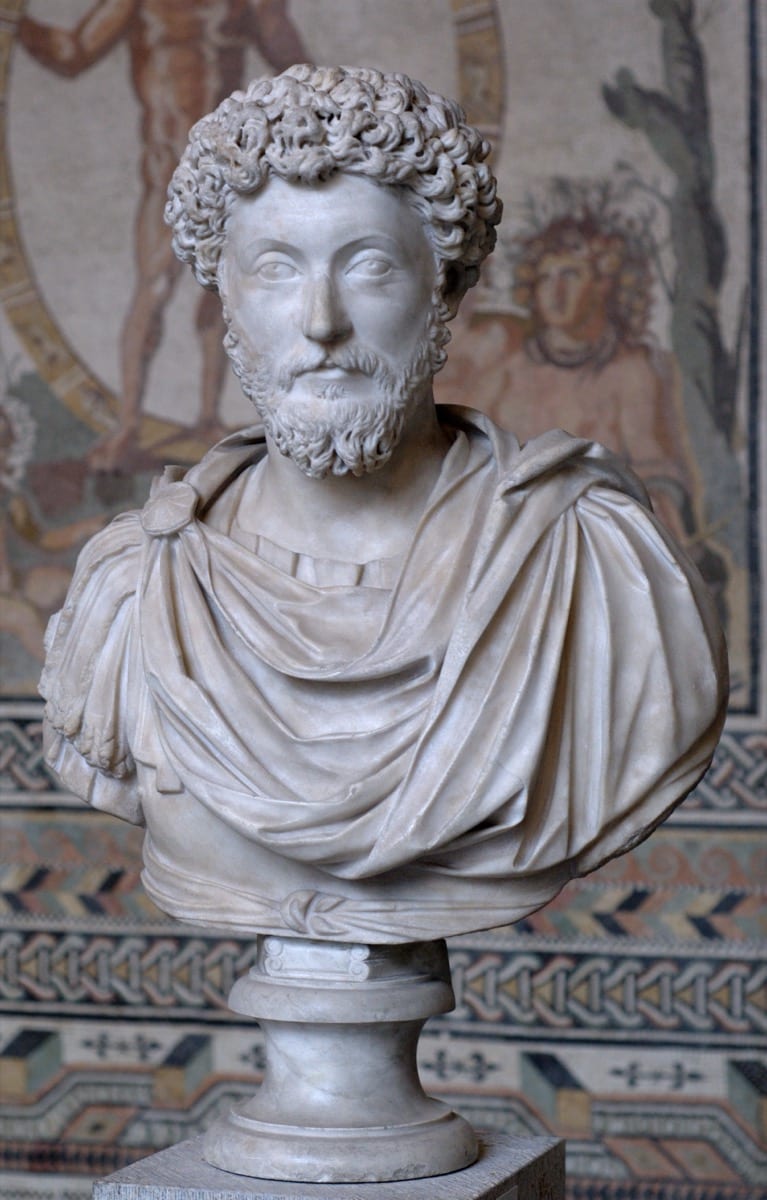
Marcus Aurelius wrote in Meditations (Book X): "Waste no more time arguing what a good man should be. Be one." He wrote that to himself, as a reminder, during a plague, a war, and a reign that offered him every excuse. The point is not that character is simple. The point is that character is built in the practice, not in the debate. Study the greatest self-development teachers and you find the same lesson.
The integrity test is not an event. It is a daily rehearsal. (Related: Identity-Based Discipline.)
Why "rising to the occasion" is a myth
You do not rise to the occasion. You fall to the level of your preparation. The idea that some hidden strength appears when the moment demands it is comfort, not truth. What appears in the moment is whatever you have already practiced.
James Clear captures this in Atomic Habits: "You do not rise to the level of your goals. You fall to the level of your systems." The same rule governs character. Nobody reaches into a crisis and finds a version of themselves they have not been building. They find whatever they have rehearsed in the unwatched moments.
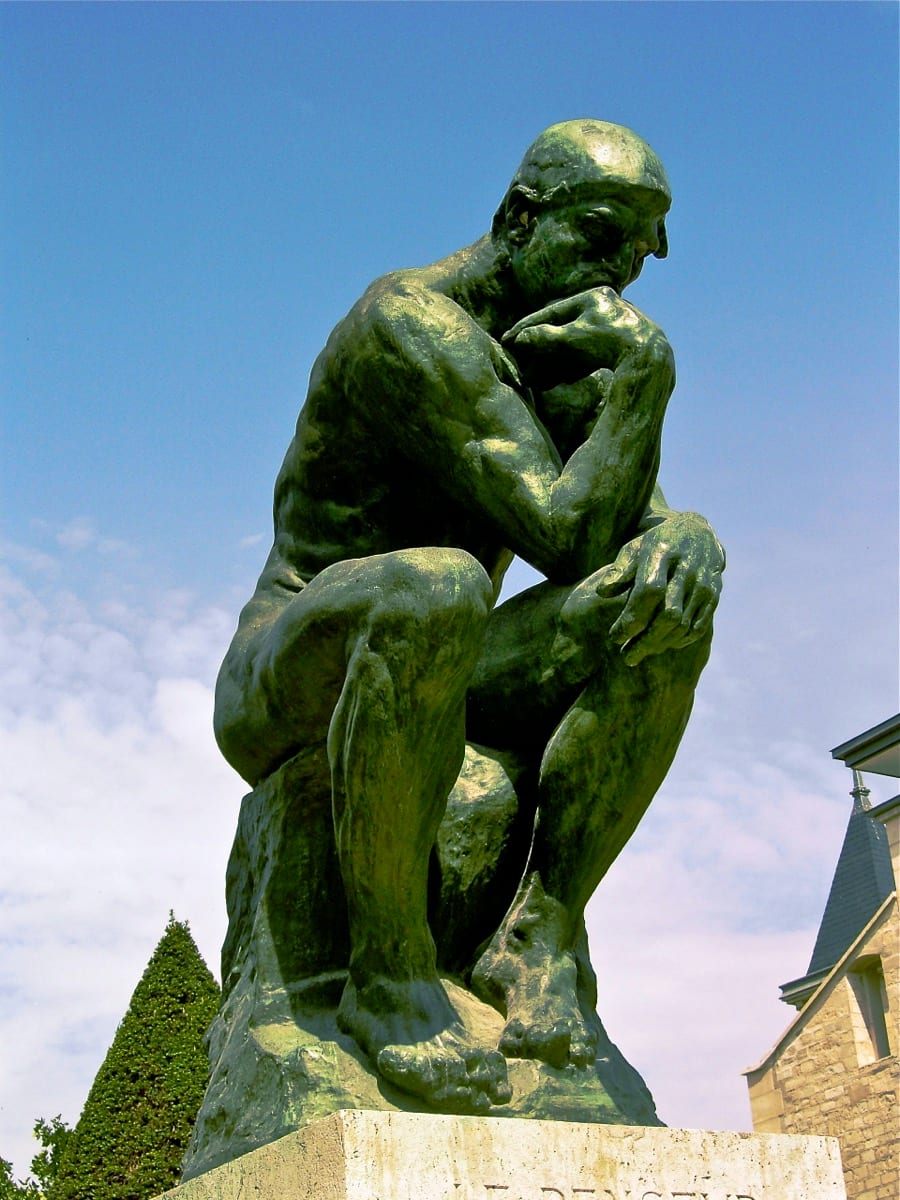
This is why character under pressure looks so different from person to person while the pressure itself is the same. The pressure is not producing the behavior. The pressure is revealing the behavior that was already there, waiting for a reason to show.
Stop planning what you will do when it matters. Start practicing it now, when it does not.
How to keep integrity when it's expensive
Integrity is easy when it is free. Everyone is honest when honesty has no price. The test comes when the truth costs you something: the job, the relationship, the easy version of the story. This is where real character separates from performance.
Decide in advance what you will not do. Integrity held under pressure is almost always integrity settled before the pressure arrived. Someone who has not decided will be negotiated into doing it.
Make the lie expensive, not the truth. Most integrity failures happen because lying looks cheaper in the moment. Be the kind of person whose word is known to be true, and the lie starts to cost something real.
And treat the small test like the large one. The person who cheats on a timesheet will cheat on a contract. The habit does not know which stakes are real. This is the integrity test: not the dramatic moment, the ordinary Tuesday.
Real character is consistent. In good times and bad. When people are watching and when they are not. When it benefits you and when it costs you. (Explore more on Core values.)
Being THE ONE
THE ONE is measured by crisis, not comfort.
THE ONE does not perform character for an audience. Lives it in private. Does not adjust behavior based on who is watching. Behaves consistently across every context.
THE ONE treats the powerful and the powerless the same. Tells the truth when it is expensive. Keeps promises when it is difficult.
You are not measured by your best day. You are measured by your worst. Not by what you do when the world cooperates. By what you do when it does not. Not by how you celebrate victory. By how you handle defeat.
Treat character building as your most important daily practice. In the small moments. In the quiet decisions. In the choices no one sees. Because when the pressure comes, and it will, you will not rise to the occasion. You will fall to the level of your preparation.
Be the one whose character holds in every situation. (Related: Create Your Legacy.)
Sources
- Bateson, M., Nettle, D., & Roberts, G. (2006). "Cues of being watched enhance cooperation in a real-world setting." Biology Letters, 2(3), 412–414. https://royalsocietypublishing.org/doi/10.1098/rsbl.2006.0509
- Duckworth, A. L., Peterson, C., Matthews, M. D., & Kelly, D. R. (2007). "Grit: Perseverance and Passion for Long-Term Goals." Journal of Personality and Social Psychology, 92(6), 1087–1101. https://psycnet.apa.org/record/2007-07951-009
- Clear, J. (2018). Atomic Habits: Tiny Changes, Remarkable Results, p. 27. Avery. https://jamesclear.com/atomic-habits
- Aurelius, M. Meditations, Book X, 16 (translation by Gregory Hays, 2002). Modern Library. https://www.penguinrandomhouse.com/books/165653/meditations-by-marcus-aurelius/
- Peterson, C., & Seligman, M. E. P. (2004). Character Strengths and Virtues: A Handbook and Classification. Oxford University Press / American Psychological Association. https://psycnet.apa.org/record/2004-14724-000
Ready to put this into practice? Check your identity alignment and see where you actually stand.