Identity
The God Within
Self actualization means expressing capacities that matter to you. Explore daily skill, reflection and care without turning growth into a test of worth.

In this article
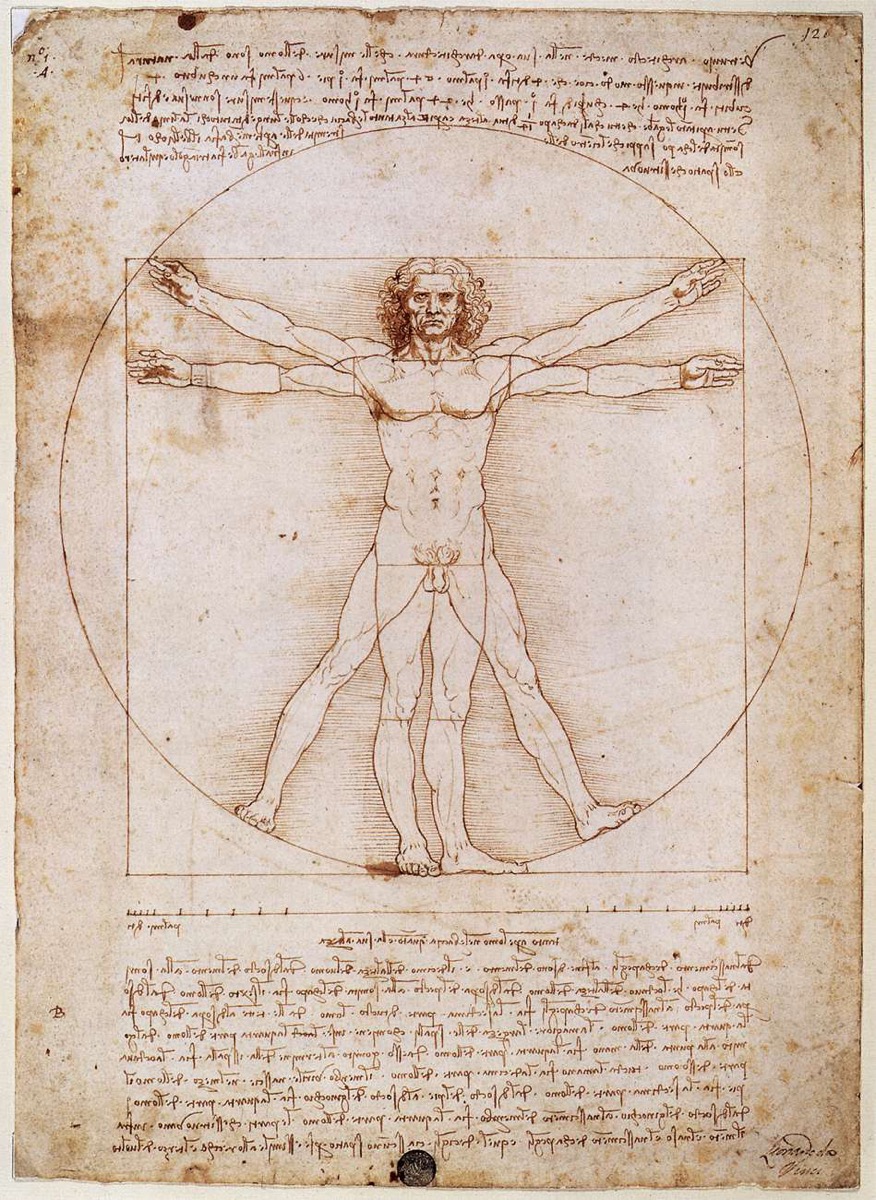
Self actualization means developing and expressing capacities that matter to you. A daily practice can support that direction through work, reflection, relationships and care. “The god within” is this article’s metaphor for human possibility, not a psychological diagnosis or a claim about religious belief. Becoming does not require perfection or putting your basic needs last.
The next version of your life needs something you can actually do.
A course, retreat or book may offer insight. That insight becomes useful when you connect it to a decision, a relationship or a skill. The work often happens in hours nobody tracks and choices nobody applauds. It can also depend on teaching, support, opportunity and recovery. You do not have to build alone.
What is self actualization and how do you reach it?
Abraham Maslow placed self-actualization within his 1943 theory of motivation: the desire to express one's possibilities. He credited Kurt Goldstein with the term. This was a theoretical framework, not a tested daily routine or a scale ranking people's worth.
Purpose, acceptance of reality, autonomy and comfort with solitude are themes associated with Maslow's account. They are not simply habits that anyone acquires by repeating a fixed checklist. Temperament, circumstances and relationships also matter. You can practice a more honest response without claiming to have completed a higher stage of human development.
The familiar pyramid can make the theory seem more rigid than the original paper, which acknowledged exceptions and overlapping needs. Kenrick and colleagues' 2010 revision offers another theoretical account of interacting motives. Neither establishes that resources are irrelevant. Someone may pursue education or creativity while struggling with insecurity; they also deserve food, shelter and support. (Related: Why You Are Here.)
Why call it “the god within”?
Here the phrase points toward possibilities you can explore, capacities that can develop through practice, and values you can express in your own life. It is optional language. Religious and nonreligious readers may prefer different metaphors; psychology does not settle their theological questions.
Robert Greene's Mastery presents stories of sustained learning and skilled work. Use them as prompts to practice and seek feedback, not proof that everyone has one hidden destiny. A useful question is: what am I doing with the insight I already have? (Related: Be THE ONE.)
Why do most people never meet their highest version?
There is no reliable count of who has met a “highest version,” and no single explanation for why someone struggles. Avoidance can be one obstacle. So can illness, poverty, discrimination, exhaustion, an unsuitable goal or a lack of support. Naming a constraint accurately is different from refusing every available next step.
The useful challenge is concrete: are you repeatedly scrolling instead of starting a task you still value? Avoiding a conversation that is safe and necessary? Making a promise your schedule cannot support? Look at one pattern. A missed workout is information about your plan, not proof that you chose an inferior self.
Honesty creates room to act when it includes both responsibility and context. Record what happened, what was possible, and what to change. You do not need a sleepless 3 AM reckoning or contempt for your current life. (Related: The Mirror Never Lies.)
How do you distinguish searching from building?
Examine action, time and feedback. Does reflection lead to an experiment? Is there a realistic occasion to try it? Can you learn from what happened? Searching and building can support one another. A period of exploration is not automatically wasted, and visible output is not the only sign of growth.
Frankl's account of meaning includes creative work, experiences and love, and one's attitude toward unavoidable suffering. It does not make constant production the sole meaningful life. An honest search may clarify which work or relationship deserves your care. Then choose one possible response. (Related: Who Are You Becoming?.)

What is the daily practice of becoming?
Choose a short list of practices that fit your values and capacity: movement, quiet thinking, a skill session, an honest journal entry, or a small act of creation. They are options, not a required morning package. A 5 AM alarm, cold shower and pushups are not tests of character. A workable cadence includes sleep, adaptation and rest.
Think of three kinds of building blocks:
- Skill: practice in a domain you care about, with feedback that helps you improve.
- Ritual: a dependable occasion or cue that makes starting easier.
- Reflection: an honest look at your decisions, strengths and difficulties.
These can complement each other. Writing for ten minutes after tea combines a skill and a ritual; reviewing the draft adds reflection. A caring conversation can matter as much as an individually measurable output.
James Clear describes actions as votes for the person you wish to become. This is a practical metaphor, not a mathematical count of self-actualization. Ten actions a day for five years do not inevitably outperform every other pattern. Quality, recovery, relevance and feedback matter alongside repetition. (Related: How to Stay Disciplined When You Don't Feel Like It.)
What are honest reflection practices?
Try one question after a day: “What mattered today, and why?” Review a week: “Did my practice fit my values and circumstances?” Or write a monthly letter to yourself about strengths, difficulties and changes. These are suggestions, not a required performance system.
Pennebaker's expressive-writing research concerns structured writing and varied health or well-being outcomes. It does not establish that every daily journal improves immunity or that writing replaces a therapist or trusted outside perspective. In an APA interview, he describes short sessions across several days as one approach, with benefits varying between people. Choose an ordinary subject if that feels more useful; you do not have to revisit traumatic experiences. Stop if writing leaves you overwhelmed. (Related: Write It Down.)
How do I stop negotiating with myself?
Pre-commit a few decisions before the difficult moment. Set a realistic movement appointment, place writing after coffee, or choose a suitable time for an overdue conversation. The purpose is to make starting easier, not to prohibit new information. Illness, an urgent responsibility or an unsafe setting is a reason to adjust.
The “old self as a lawyer” is a metaphor for repeatedly rationalizing avoidance. Listen carefully enough to distinguish that from a real need. Baumeister and Tierney's Willpower popularized a limited-resource account of self-control. The evidence is disputed: a 2016 preregistered replication across 23 laboratories found an effect close to zero, with uncertainty spanning zero. Planning does not prove that decisions drain a literal fuel tank or bypass it completely.
Lay out clothes, put a distracting phone elsewhere, prepare the first task, or ask a friend for support. Make a recovery rule as well: if the appointment is missed, identify the next appropriate opportunity. Review whether the setup works. There is no established sixty-day point at which resistance disappears. (Related: The Enemy of Progress.)
What does self actualization look like in real life?
It can look ordinary: a teacher changing a lesson after feedback, a parent listening more carefully, or a craftsperson returning to a difficult technique. Someone may develop a body of work over years; someone else may make a meaningful change during a short period. Fame, wealth and public recognition are not requirements.
Angela Duckworth's 2007 grit paper examined associations between perseverance, passion and achievement in several samples, including adults, university students, West Point cadets and spelling-bee participants. Grit explained about 4% of outcome variation on average. This does not show that consistency universally beats ability or that a practice intervention causes self-actualization. The study did not measure every domain of a meaningful life.
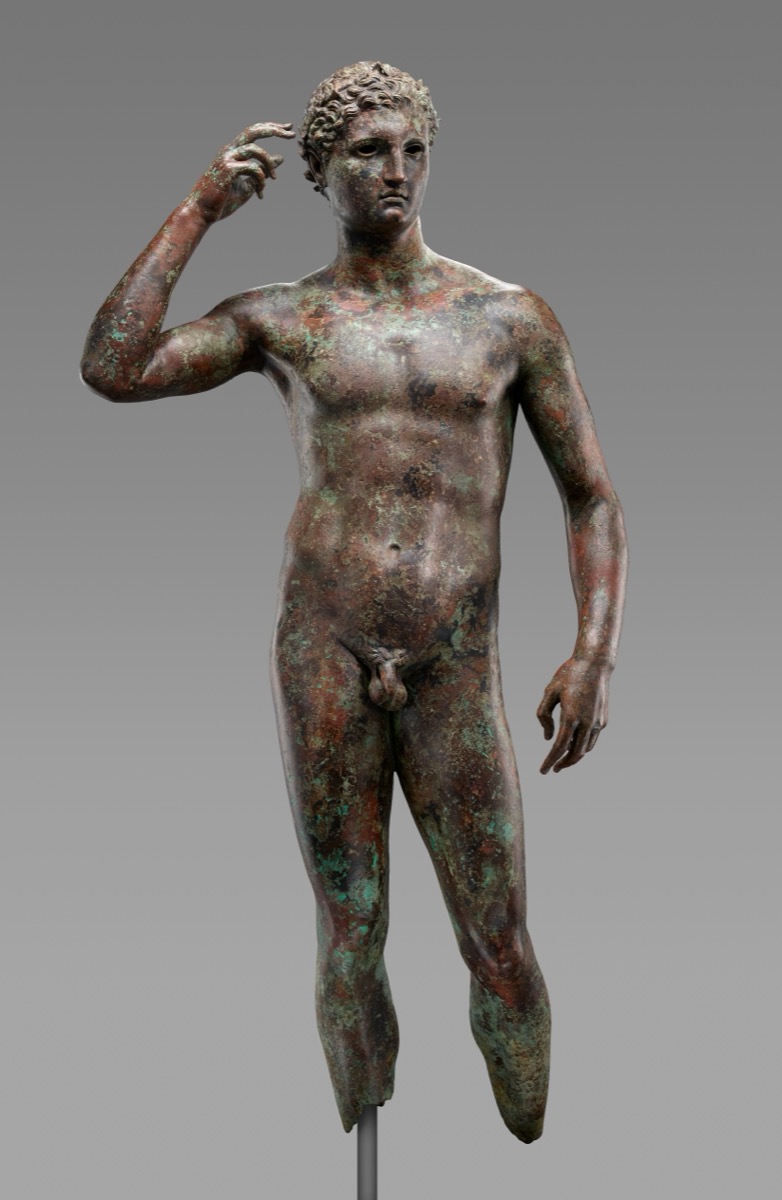
A trained body is one historical image of cultivated capacity, not the required form of a fulfilled person. Disability, illness or a different interest does not diminish your worth. Choose the language and practice that make sense for your life. (Related: Mastery Takes Time.)
You may notice changes in self-understanding as you practice and reflect. Keep a record if it helps, but do not turn it into a tribunal. There is no universal 30-, 60- or 90-day identity schedule. A quarterly review is a planning device, not proof that a new self has become permanent. (Related: The 90-Day Identity Shift.)
Being THE ONE
THE ONE gives a valued possibility a place in ordinary life.
Chooses a useful building block. Lays it with care. Learns from the result.
Prepares the decisions that matter and changes the plan when real needs require it. Makes room for skill, ritual and honest reflection.
The temple is a metaphor, not a demand to demolish the person you already are. Growth and acceptance can coexist.
Pick up a workable task. Seek help where it matters. Return when you can. Let the practice serve your life, rather than making your life serve an impossible ideal.
Frequently Asked Questions
When will I notice results?
That depends on the skill, situation, support and measure you choose. A small action can be completed today; a change in confidence or competence may take longer. Review concrete evidence without treating thirty, sixty or ninety days as a deadline. Adjust an unworkable plan instead of simply demanding more patience.
What role does self-compassion play?
A fair, caring response to mistakes can help you examine what happened without turning the mistake into a verdict on your character. It does not remove responsibility. Pair kindness with a practical repair, an easier starting point or an appropriate request for support.
How do I combine growth with acceptance?
Acknowledge your current circumstances and worth while choosing something you want to practice. Acceptance need not mean stagnation, and growth need not begin with self-rejection. Some seasons call for protecting stability or recovery. Those choices can also express your values.
Sources
- Maslow, A. H. (1943). “A Theory of Human Motivation.” Psychological Review, 50(4), 370–396. Original record; full primary text.
- Kenrick, D. T., Griskevicius, V., Neuberg, S. L., & Schaller, M. (2010). Renovating the Pyramid of Needs. Perspectives on Psychological Science, 5(3), 292–314. Theoretical revision.
- Baumeister, R. F., & Tierney, J. (2011). Willpower. Penguin Press. Read alongside the 2016 multilab replication.
- Duckworth, A. L. (2016). Grit. Scribner; Duckworth et al. (2007), original research paper. Observational associations, not a universal success formula.
- Greene, R. (2012). Mastery. Viking. Biographical and practical synthesis.
- Frankl, V. E. Man's Search for Meaning (German original 1946; later English editions). Viktor Frankl Institute on logotherapy.
- Clear, J. (2018; German edition 2020). Atomic Habits / Die 1 Prozent Methode. Avery / Goldmann. Author's identity-based habits framework.
- Pennebaker, J. W., & Smyth, J. M. (2016). Opening Up by Writing It Down. Guilford Press. Pennebaker's APA interview on expressive writing.
Choose a practice that fits your values. Reflect on your identity alignment or plan a manageable discipline system. These tools support reflection; they do not measure self-actualization.