Identity
13 Lessons From The Alchemist About Finding Your Personal Legend
The Alchemist is not just a story about chasing a dream. It is a map for recognizing your Personal Legend, surviving the testing phase, reading obstacles correctly, and becoming the kind of person who can receive the treasure without losing themselves.

In this article
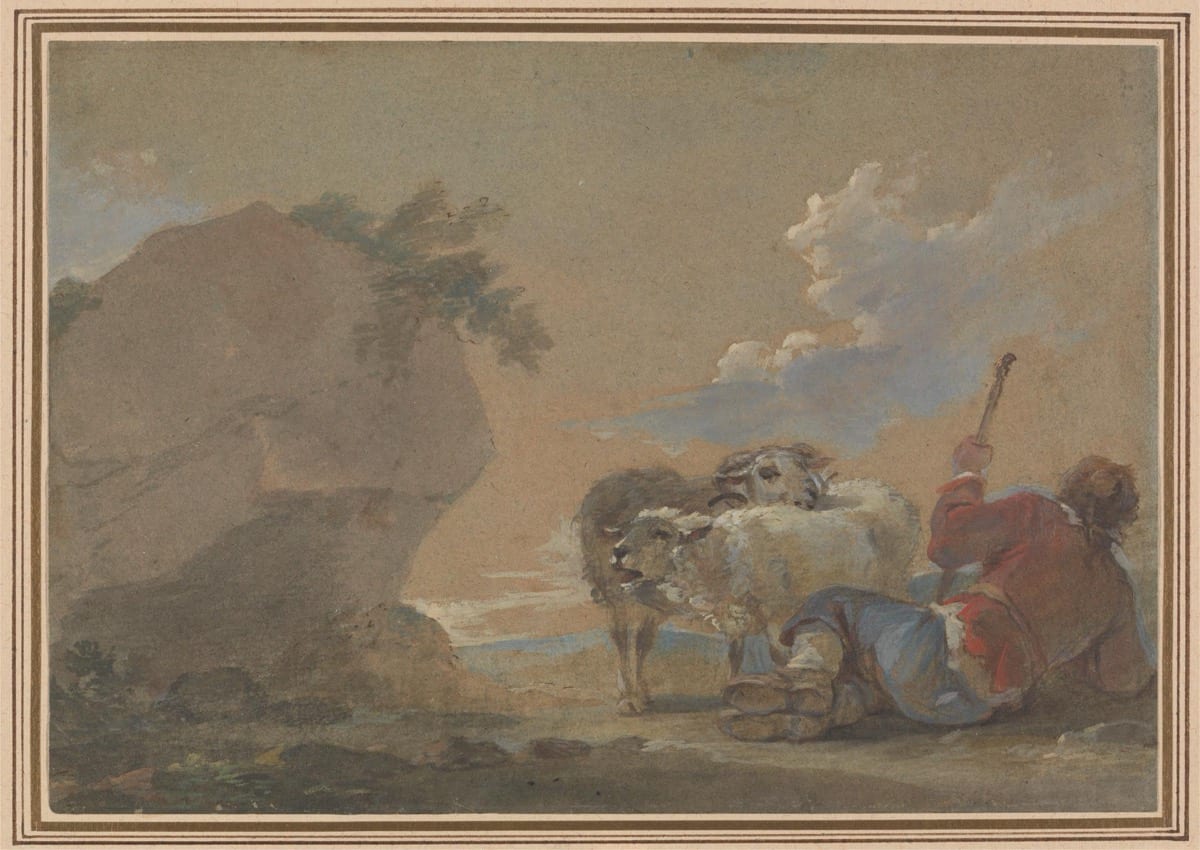
The lessons from The Alchemist are simple enough to remember and hard enough to live. Paulo Coelho follows Santiago, an Andalusian shepherd who leaves the life he knows to pursue a dream, and keeps returning to one question: what happens when a person finally takes their calling seriously?
The Alchemist is often reduced to one line about the universe helping you.
That misses the harder lesson. The book is not saying that wanting something is enough. It is saying that a real dream demands movement, sacrifice, attention, humility, courage, and repeated tests. The world opens to the person who walks, not the person who only imagines walking.
Here are the lessons from The Alchemist that actually matter, and how to use them without turning the book into vague motivational wallpaper for pursuing dreams.
What is The Alchemist about?
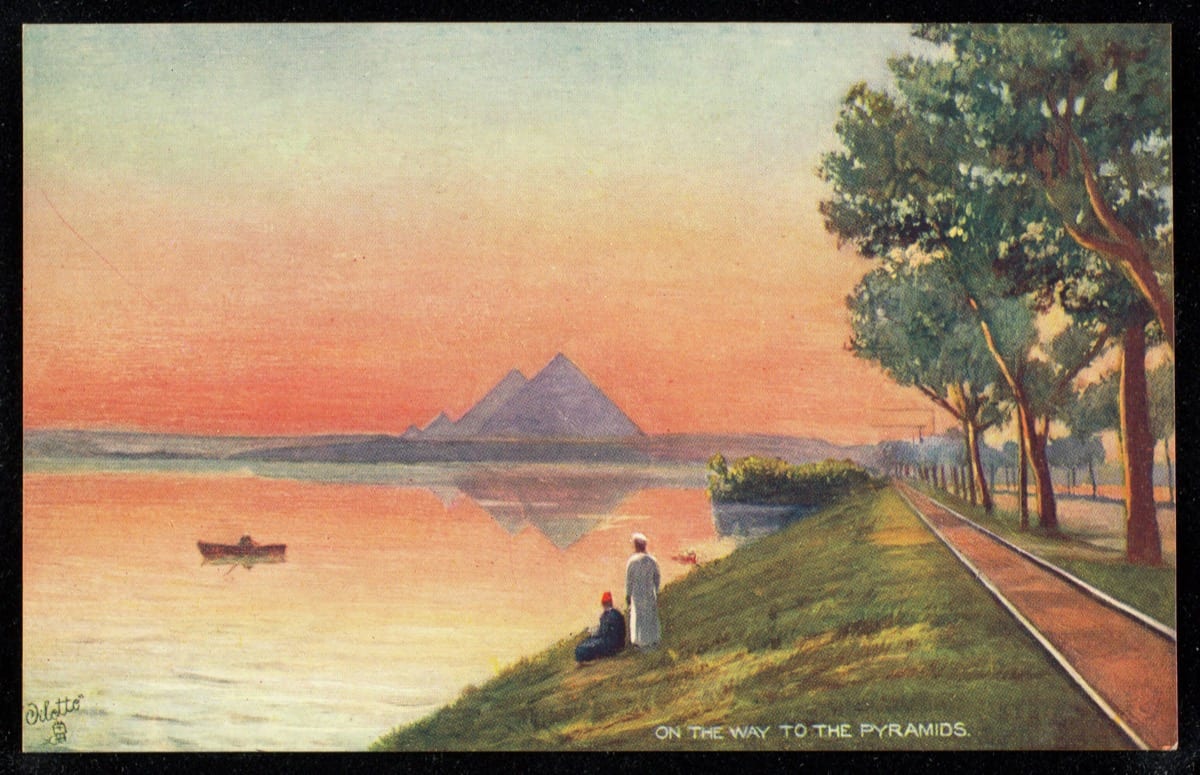
The Alchemist is about Santiago, a shepherd who dreams of treasure near the Egyptian pyramids. After meeting figures who push him toward his destiny, he leaves Spain, loses what he has, works, learns, crosses the desert, falls in love, meets the alchemist, and discovers that the treasure was never only about gold. It was about becoming the person capable of finding it.
The plot is simple on purpose. Santiago represents the part of you that knows there is more. The sheep represent comfort and repetition. The desert represents uncertainty. The treasure represents the dream. The journey represents the identity transformation required to reach it.
That is why the book works. It names a pattern almost everyone recognizes: you know the path is calling, but the familiar life has arguments. (Related: Create Your Legacy.) (Related: Legacy Is Daily.)
What does Personal Legend mean?
A Personal Legend is the life you are called to live, the meaningful direction that keeps returning even when you try to ignore it. In The Alchemist, it is Santiago's reason for leaving home. In your life, it is the work, mission, craft, relationship pattern, contribution, or adventure you would regret never attempting.
The phrase sounds mystical, but it overlaps with modern purpose research without being identical to it. Berkeley's Greater Good Science Center describes purpose as a long-term goal that is meaningful to the self and consequential beyond the self. Coelho's Personal Legend is a literary and spiritual idea; psychology research can illuminate parts of it, but it does not validate destiny or omens as scientific facts.
Do not overcomplicate the first step. Your Personal Legend may not arrive as a perfect plan. It may begin as a recurring pull:
| Signal | What it may mean | First move |
|---|---|---|
| The same dream keeps returning | Unresolved direction | Write it in one sentence |
| You envy someone's courage | Disowned desire | Name the quality you want |
| You feel grief when imagining never trying | Real value | Build a 30-day experiment |
| You keep preparing but never acting | Fear in a productive costume | Set a public deadline |
| You feel alive when working on it | Self-concordant goal | Protect more time for it |
The Personal Legend is not always glamorous. Sometimes it is building a family differently than the one you came from. Sometimes it is making art. Sometimes it is starting the business, healing the body, becoming a teacher, moving countries, or telling the truth. The shared feature is ownership. It feels like yours. (Related: How to Find Yourself.) (Related: The Measure of a Person.)
13 lessons from The Alchemist
The best lessons from The Alchemist are practical. They tell you what to do when the dream feels exciting, when it gets expensive, when signs appear, when fear speaks, and when the final test makes quitting look reasonable.
| Lesson | What the book shows | How to use it |
|---|---|---|
| 1. Your dream needs a decision | Melchizedek asks Santiago to sell his sheep | Convert the dream into one visible action |
| 2. Comfort can become a cage | The crystal merchant keeps postponing Mecca | Audit where safety has become stagnation |
| 3. Omens require attention | Urim, Thummim, and repeated signs guide choices | Record patterns, then test them against reality |
| 4. Beginners pay tuition | Santiago is robbed shortly after reaching Tangier | Treat an early loss as information, not identity |
| 5. Work is part of the path | The crystal shop rebuilds his money and judgment | Use ordinary work to build capacity |
| 6. Fear can protect the old self | The merchant prefers a safe dream to a changed life | Ask what fear is trying to preserve |
| 7. Love should not cancel purpose | Fatima does not ask Santiago to abandon the journey | Choose relationships that leave room for purpose |
| 8. The desert teaches patience | The caravan moves by the desert's timing | Build systems for slow and uncertain seasons |
| 9. The heart is noisy but useful | Santiago listens to fear without treating it as a command | Distinguish a signal from panic |
| 10. Commitment is tested by cost | Santiago risks his life before the tribal chiefs | Decide which costs serve the goal and which violate it |
| 11. The traveler changes before the result | Santiago learns trade, language, patience, and courage | Measure capacity gained, not only outcome |
| 12. The ending changes the meaning of home | The attack at the pyramids points back to the sycamore | Revisit old places with new information |
| 13. Action reveals meaning | The dream becomes legible only because Santiago moves | Run a real experiment before demanding certainty |
The book's central discipline is movement. Santiago does not think his way into transformation. He walks into it.
Why do people quit right before the breakthrough?
People often quit when progress becomes expensive. Time, money, identity, and hope are already invested; early motivation is gone; the dream disrupts the old life before rewarding the new one. Here, "testing phase" names that pressure. It is an editorial label, not a scientific rule that success is always one obstacle away.
The testing phase is a useful reading of The Alchemist because Santiago's costs rise as the treasure becomes concrete. That pattern can also appear in real projects: greater stakes expose missing skill, weak systems, financial limits, and fear more clearly. But difficulty alone is not evidence that a breakthrough is near. Sometimes it is a reason to recover, redesign the plan, or stop.
This is where many people misread difficulty. They assume hardship means "this is not meant for me." Sometimes it does. But often hardship means the dream has left fantasy and entered cost. The better question is not "Is this hard?" The better question is "Is the difficulty still in service of something true?"
Use this filter:
| If the obstacle is... | It may be a test when... | It may be a signal to stop when... |
|---|---|---|
| Money | The mission still feels alive and a leaner path exists | The goal only continues because of sunk cost |
| Criticism | The criticism threatens approval, not values | Trusted feedback reveals real misalignment |
| Delay | The delay is building skill, patience, or access | The delay is indefinite avoidance disguised as strategy |
| Fear | Fear appears because the next step is visible | Fear appears because the goal violates your actual values |
| Exhaustion | You need recovery and better systems | The dream requires chronic self-betrayal |
Do not romanticize suffering. The Alchemist is not a license to ignore reality. It is a reminder not to confuse every hard stretch with a closed door. (Related: Finish What You Start.)
What does the book teach about fear?
The Alchemist teaches that fear is often the last guardian of the old identity. Fear of failure is obvious. Fear of success is quieter. If you succeed, your relationships may change, your excuses disappear, your standards rise, and the old self loses its familiar hiding places.
That is why fear can increase when the path starts working. A person who dreams privately can stay intact. A person who acts publicly has to change.
The practical move is not to wait until fear disappears. It rarely does. The move is to reduce the next action until courage becomes possible. Send the message. Book the ticket. Publish the draft. Ask the mentor. Save the first $100. Walk for one hour. If the same self-sabotaging story keeps returning, use Break Limiting Beliefs to name it before the next test. The path respects motion. (Related: Fear Is a Compass.)
Does the universe really conspire to help?
The famous idea that the universe helps the committed person can be read without superstition. Clarity changes attention. Attention changes behavior. Behavior changes proximity. Proximity changes opportunity. The lessons from The Alchemist work best when "signs" are treated as invitations to move, not excuses to wait. No One Is Coming makes the agency side of that interpretation explicit.
When you know what you are pursuing, you notice relevant people, books, rooms, patterns, and openings. When you act, you become easier to help. When you keep showing up, luck has more places to land. From the outside, this can look like conspiracy. From the inside, it is focused participation.
Sheldon and Elliot's self-concordance research helps explain why owned goals behave differently. In their longitudinal model, progress toward self-concordant goals was associated with stronger need satisfaction and well-being. That does not prove every deeply felt goal should be pursued; it suggests that the source of a goal affects how people engage with it. (Related: The Compound Identity.)
How to apply The Alchemist to your life
Apply The Alchemist by translating the dream into a 30-day quest. Do not announce a whole destiny. Build a small quest with a clear action, a visible risk, and a review date. The point is to make pursuing dreams concrete enough that reality can answer back.
Use this template:
| Step | Prompt | Example |
|---|---|---|
| Name the legend | "Never attempting..." | Never writing the book |
| Choose the first road | "For 30 days..." | Write 500 words each morning |
| Identify the sheep | "The comfort that keeps me still is..." | Endless planning and private notes |
| Expect the desert | "The likely obstacle is..." | Work fatigue and self-doubt |
| Find the alchemist | "The guide or resource needed is..." | Writing group, mentor, course, editor |
| Measure transformation | "By day 30, become..." | Someone who keeps promises to the work |
The Personal Legend evidence log
Use this worksheet to stop a compelling idea from turning into unquestioned destiny. Complete one row each week. The goal is to compare desire with evidence, cost, and behavior before making a larger commitment.
| Recurring pull | Evidence it is mine | Cost I am willing to pay | Cost I will not pay | Next 30-day experiment | Review date |
|---|---|---|---|---|---|
| Example: write a book | I return to it without an audience | Five mornings a week | Neglecting health or family | Write 500 words before work | 30 days from today |
At review, ask what changed in skill, energy, clarity, and consequences. Continue because the evidence improved, not because the phrase "Personal Legend" made quitting feel forbidden.
At the end of 30 days, review the evidence. Did the path feel more alive through action, or only in fantasy? Did energy, skill, courage, or clarity increase? Did the dream become more specific? That is how you know whether to keep walking. (Related: Trust the Process.)
FAQ
What is the main message of The Alchemist?
The main message is that a meaningful life requires listening to the call, acting on it, surviving the tests, and becoming the person who can receive the treasure. It is not passive manifestation. It is purpose plus movement.
What is the biggest lesson from The Alchemist?
The biggest lesson is that the journey changes the meaning of the treasure. Most people think they want only the outcome. The book argues that the outcome matters because of who you become while pursuing it.
What does The Alchemist teach about dreams?
It teaches that dreams need action, sacrifice, and attention. A dream that never changes your calendar, habits, spending, conversations, or courage is still entertainment. A real dream starts reorganizing your life.
Is The Alchemist religious or spiritual?
It is spiritual in tone, but its core lessons can be read psychologically: purpose improves attention, attention reveals opportunities, owned goals create persistence, and hardship tests commitment.
How do you find your Personal Legend?
Start with the thing you would regret never attempting. Then test it through small behavior for 30 days. A Personal Legend becomes clearer through action, not endless private analysis.
Being THE ONE
THE ONE pursues a Personal Legend.
Not a goal someone else assigned. Not a script inherited from childhood. The specific life that keeps calling even after fear explains why it is inconvenient.
THE ONE recognizes the testing phase when it arrives. Does not confuse every obstacle with failure. Does not quit in the last stretch because the last stretch is hard.
THE ONE takes action, and then lets the universe conspire. Not the other way around.
You know more about your path than you admit.
The tests are coming. They are supposed to come.
Pass them.
Be the one who keeps walking.
Sources
- Coelho, P. (1988; English edition 1993). The Alchemist. HarperCollins. Primary text for Personal Legend, omens, the desert journey, and the scenes discussed above. Official reading group guide
- Greater Good Science Center. "Purpose Defined." Defines purpose as a long-term, personally meaningful intention connected to contribution beyond the self. https://greatergood.berkeley.edu/topic/purpose/definition
- Sheldon, K. M., & Elliot, A. J. (1999). "Goal Striving, Need Satisfaction, and Longitudinal Well-Being: The Self-Concordance Model." Journal of Personality and Social Psychology, 76(3), 482-497. Research on goals aligned with core values and interests. https://pubmed.ncbi.nlm.nih.gov/10101878/
Ready to put this into practice? Check your identity alignment and see where you actually stand.