Daily practice
The Morning Routine for Burnout Recovery
Standard morning routine advice makes burnout worse. A recovery-first protocol rebuilds the dysregulated HPA axis without adding pressure, because the system that broke you was already operating at 110% when it collapsed.

In this article
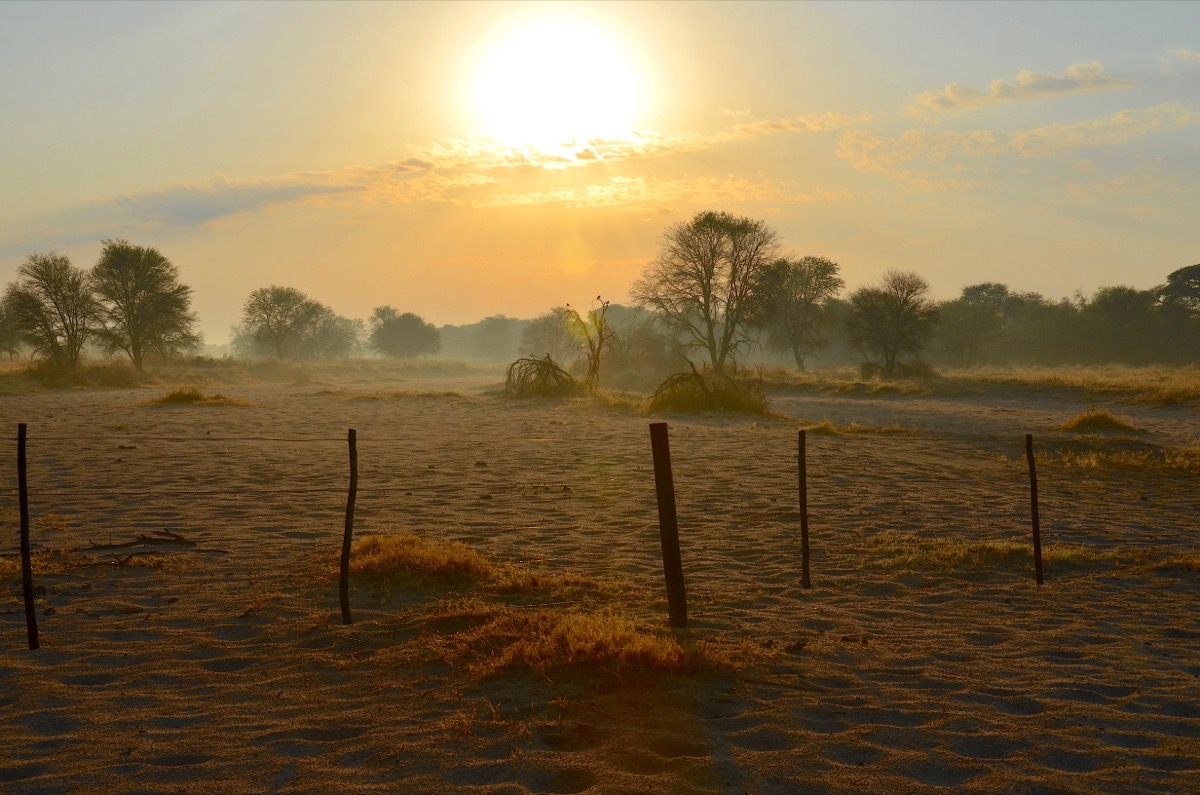
A recovery-first morning routine rebuilds the HPA axis that burnout dysregulated. It does not optimize for peak performance, because the system that drove you into burnout was already operating at full output when it collapsed. Recovery is the inverse protocol: less stimulation, more regulation, enough slowness that the body can remember what normal feels like.
Every morning routine article tells you the same thing.
Wake up at five. Cold shower. Journal. Meditate. Exercise. Review goals. Eat clean. Attack the day.
For a healthy, well-regulated nervous system, that advice is fine. For a burned-out one, that advice is harmful. Because burnout is not a motivation problem. It is a physiological state, and the optimization playbook was written for a system that is not currently broken.
What's the best morning routine if I'm burned out?
The best morning routine if you are burned out is the one that demands the least from your nervous system while giving it the most regulation. Slow, predictable inputs. Morning light. Minimal stimulation. Zero peak-performance pressure. The goal is not productivity. It is restoring the cortisol awakening response, which in chronic burnout is typically flattened.
Research on the cortisol awakening response (CAR) documents a healthy 38-75 percent rise in cortisol within 30 to 45 minutes of waking. This rise powers morning alertness, glucose mobilization, and the shift from sleep to wake. In burnout, this response is blunted. Pushing a dysregulated system with cold plunges, intense exercise, and caffeine at dawn adds stress to a system already failing to produce its normal morning signal.
The practical version is boring on purpose. Wake at the same time daily. Open curtains or step outside within 15 minutes for natural light. Drink water. Move gently, not intensely. Eat breakfast. Do one small thing that is yours, quietly. That is it. (Related: The Discipline of Rest.)
Why do standard morning routines make burnout worse?
Standard morning routines make burnout worse because they were designed for people who are already well. The 5 AM wake-up, cold plunge, intense workout, packed calendar stack adds sympathetic nervous system load onto a system that is already over-activated. You are pouring more stress on top of a stress injury and expecting it to heal.
The research is unambiguous on this. Cortisol dysregulation, elevated evening cortisol, flattened diurnal rhythms, and impaired HPA axis recovery are all documented features of burnout. Adding high-intensity morning stressors does not train resilience in this state. It prevents recovery, because the nervous system cannot simultaneously repair and perform. Repair needs down-regulation. The standard playbook provides the opposite.
The other failure mode is psychological. A burned-out person who cannot execute the hero's schedule adds shame to the existing exhaustion, which corrodes motivation further. The anti-burnout routine has to be executable on the worst day. If it cannot survive a Tuesday with six hours of sleep, it is the wrong routine. (Related: Dopamine Detox and Burnout.)
How do I reset my nervous system in the morning?
Reset your nervous system in the morning by working with circadian biology, not against it. Three levers matter most. Light: 5-10 minutes of outdoor light within 30 minutes of waking sets the circadian clock and entrains the cortisol awakening response. Breath: 2-3 minutes of slow nasal breathing (longer exhale than inhale) activates the parasympathetic branch and down-regulates the sympathetic drive. Movement: gentle, not intense. A walk, not a sprint.
Together, these three take about 15 minutes and cost nothing. They are boring, and boring is the point. Sensational morning protocols are often sympathetic-nervous-system stimulants dressed up as recovery tools. They can work brilliantly when your baseline is healthy and terribly when it is not. The recovery protocol respects the difference.
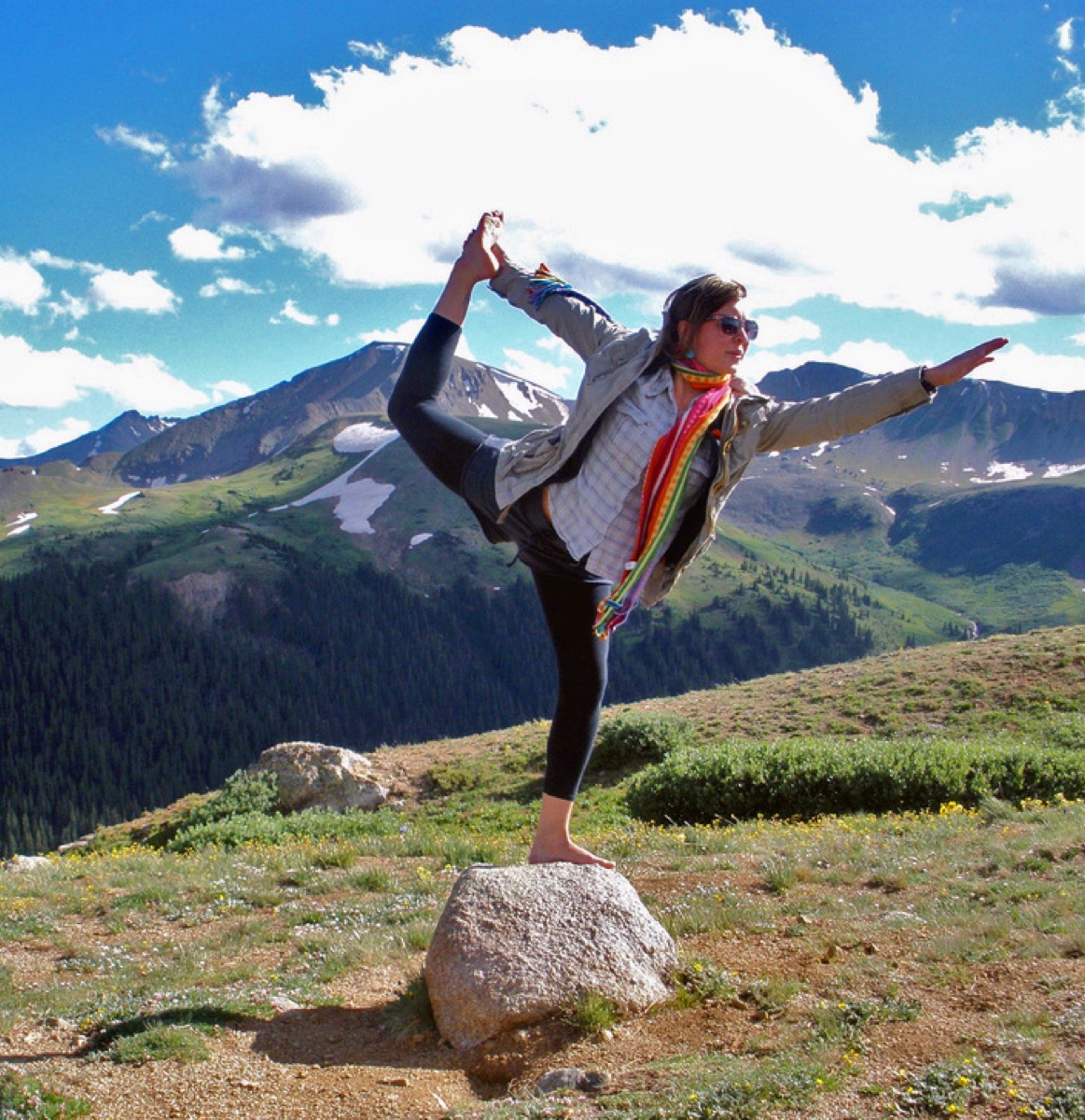
No phone for the first 30 minutes. Checking the phone before the cortisol awakening response has fully engaged slams the nervous system with inputs it is not ready to process. The protocol that actually reverses burnout starts with protected bandwidth, not productivity. (Related: Guard Your Peace.)
What's the 4-phase burnout recovery morning protocol?
The 4-phase protocol is a simple sequence that respects the physiology of a depleted system. Phase 1, contact: wake same time, drink water, get 5 minutes of outdoor light. Phase 2, regulation: slow nasal breathing plus gentle movement. Phase 3, nourishment: real breakfast, not coffee on empty. Phase 4, anchor: one small action that is yours.
The total time is 45 to 75 minutes depending on how much light and movement you include. None of it requires motivation, because none of it is optimization. You are rebuilding the daily rhythm the nervous system lost. Each phase does one physiological job, and together they form a recovery protocol the system can actually use.
Run the protocol daily for three to six weeks before evaluating. Burnout recovery is measured in months, not days. The promise of the recovery protocol is not that you will feel great tomorrow. The promise is that, if you keep running it, you will feel measurably different in six weeks. (Related: The Discipline of Rest.)
Why should I avoid my phone for 30 minutes after waking?
Avoid the phone for 30 minutes after waking because that window is when your cortisol awakening response does its work. Flooding the nervous system with notifications, news, and input before the body has completed its morning transition tells the stress system that the day is an emergency before you have even stood up. In a healthy person, this costs some calm. In a burned-out one, it blocks recovery outright.
The morning phone habit is also a dopamine intervention at the worst possible time. Variable-reward feeds train the reward circuit to seek the next spike immediately on waking, which crowds out the slow satisfactions (light, movement, breakfast, quiet) that actually regulate you. The phone is not the enemy. The timing is.
Simple rule: no phone until you have completed the first two phases of the morning routine. That is usually 20-30 minutes. After that, the nervous system has caught up enough that the phone inputs are absorbable instead of overwhelming. (Related: The Dopamine Trap.)
Being THE ONE
THE ONE builds the morning routine the system actually needs, not the one the internet rewards.
When healthy, that looks like intensity, challenge, and protocol. When burned out, that looks like light, breath, movement, food, quiet.
THE ONE knows that recovery is not a worse version of performance. It is a different operating mode, and the morning is where the mode gets set.
Standard morning routines are for people who are already well.
Build the burnout recovery routine first.
Everything else comes back online once the system is not bleeding energy.
Sources
- Fries, E., Dettenborn, L., & Kirschbaum, C. (2009). "The cortisol awakening response (CAR): Facts and future directions." International Journal of Psychophysiology, 72(1), 67-73. Foundational CAR research. https://pubmed.ncbi.nlm.nih.gov/18854200/
- Oosterholt, B. G., Maes, J. H. R., Van der Linden, D., Verbraak, M. J. P. M., & Kompier, M. A. J. (2015). "Burnout and cortisol: Evidence for a lower cortisol awakening response in both clinical and non-clinical burnout." Journal of Psychosomatic Research, 78(5), 445-451. Documented flattened CAR in burnout. https://pubmed.ncbi.nlm.nih.gov/25676403/
- Leproult, R., Copinschi, G., Buxton, O., & Van Cauter, E. (1997). "Sleep Loss Results in an Elevation of Cortisol Levels the Next Evening." Sleep, 20(10), 865-870. Sleep-cortisol dysregulation link. https://pubmed.ncbi.nlm.nih.gov/9415946/
- Walker, M. (2017). Why We Sleep. Scribner. Supporting reference on sleep and HPA axis. https://www.simonandschuster.com/books/Why-We-Sleep/Matthew-Walker/9781501144325
Want a simple plan for the morning? Build a morning routine around your available time and chosen focus.