
Words Without Action
Words without action often begin with an unclear promise. Agree on the next step, check your capacity and communicate honestly when the plan changes.
7 min read
The blog
Words without action often begin with an unclear promise. Agree on the next step, check your capacity and communicate honestly when the plan changes.
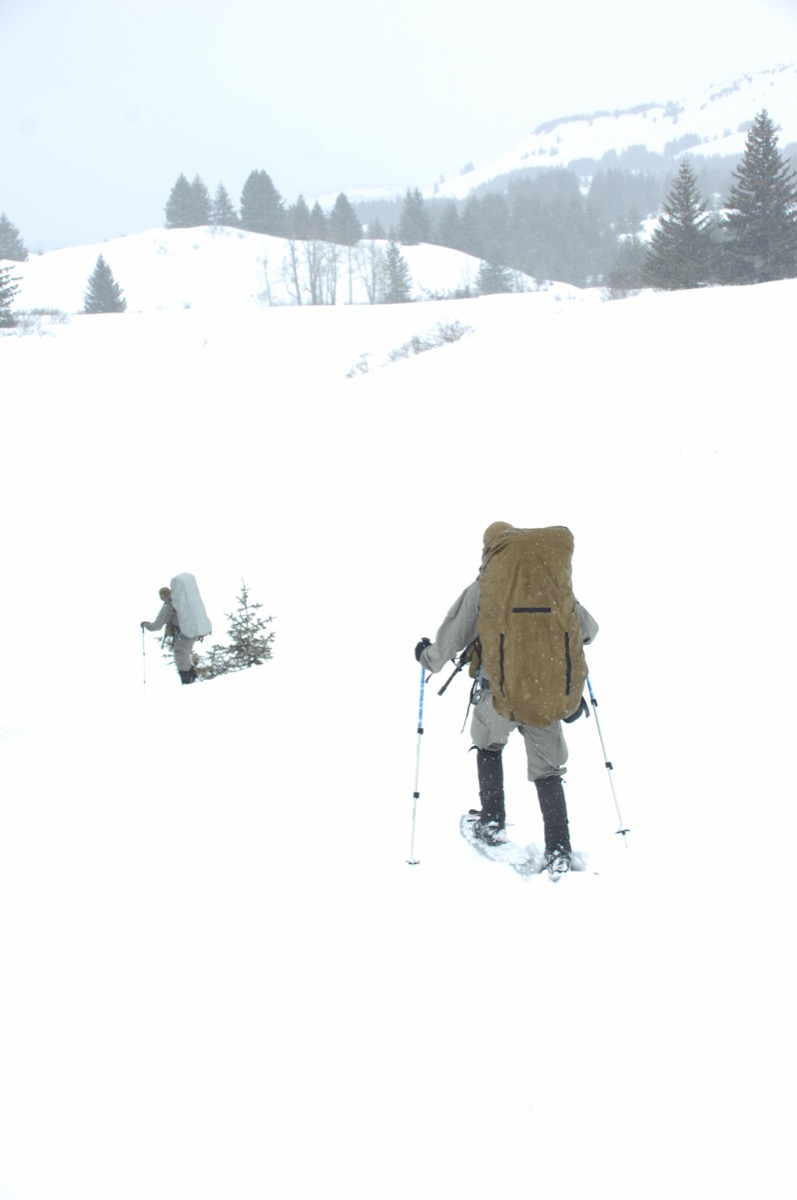
Deliberate discomfort means choosing a manageable challenge for a worthwhile purpose. Practice the task you want to improve, allow recovery, and adjust the dose. Difficult conversations, unfamiliar reading, and appropriate exercise offer different kinds of practice; none requires ignoring danger or treating rest as failure.

Solitude is chosen time alone; loneliness is the painful feeling that your relationships are not meeting your needs. Learn when walking alone restores you, when it becomes isolation, and how to stay connected while following your own path.

Honest self-assessment can help you name a current limit, ask for support, and choose a useful next step. This guide compares vulnerability, growth mindset, and self-compassion research, with boundaries, conversation examples, and a private worksheet.

Make room for life now without denying what happened. Explore identity, self-forgiveness, repair and boundaries, with realistic expectations and support when needed.

Trust a reasonable process long enough to assess it, while keeping feedback, costs and changing circumstances in view. Patience is compatible with adjusting or stopping.

Distraction can interrupt a line of thought, delay a return to the original task, and make work more stressful. Protecting deep focus helps with demanding work, but the often-quoted 23 minutes is not a universal recovery penalty. Build a realistic focus block, reduce unnecessary switches, and judge the result by the work you actually complete.

Repeated behavior can shape your future alongside goals, opportunities, health, resources, and chance. Habits help turn some intentions into regular action. Examine the patterns that support your life and the ones you want to change, without treating every routine as a verdict on who you are.

Burn the boats is a focus metaphor, not a rule to destroy a safety net. Distinguish distractions, alternative methods and backup goals before committing.

Consider clear requests, respectful refusals and limits through 20 questions drawn from the relationship library.

A practical selection about grief, contact, closure and routines after a relationship ends. No recovery deadline or search ranking.
Focus on concrete behavior, safety and practical support without needing to diagnose another person or reach a questionnaire threshold.