
Own Your Morning
Build a flexible morning routine with five-, fifteen-, or thirty-minute options. Protect sleep, plan for interruptions, and choose one useful daily priority.
8 min read
The blog
Build a flexible morning routine with five-, fifteen-, or thirty-minute options. Protect sleep, plan for interruptions, and choose one useful daily priority.

Try a simple journaling practice for reflection and planning. What expressive-writing and memory research support, with prompts, format choices and clear limits.

Make one small thing, then use what it reveals to guide your learning. Try output before optional input without treating rest or reading as a failure.
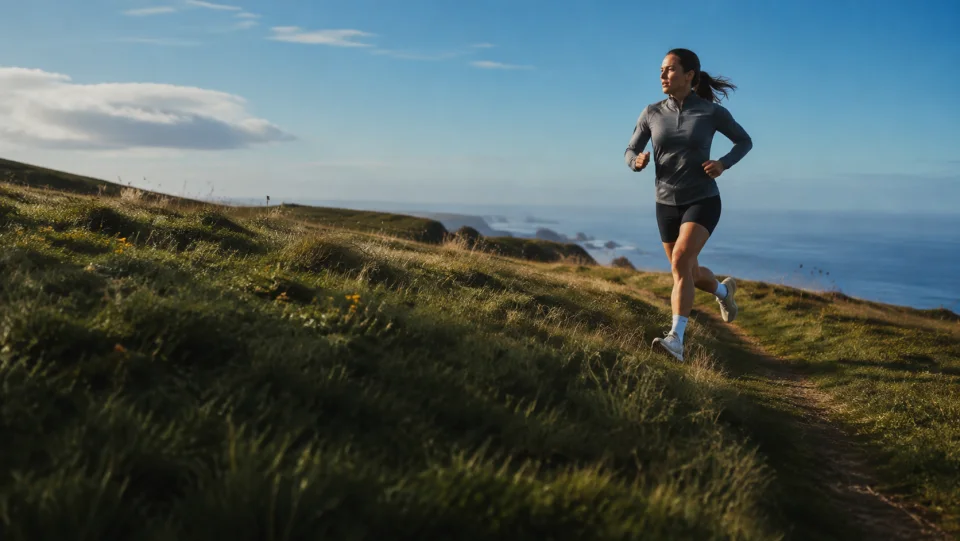
Structure is freedom when a routine supports meaningful work and leaves room for life. Explore evidence limits, writers’ examples, flexible time blocks and useful boundaries.

The daily audit is a short evening review with three questions: what went well, what needs attention, and what happens next. Use the writing prompts, examples, and weekly check to learn from your day without turning it into a trial.
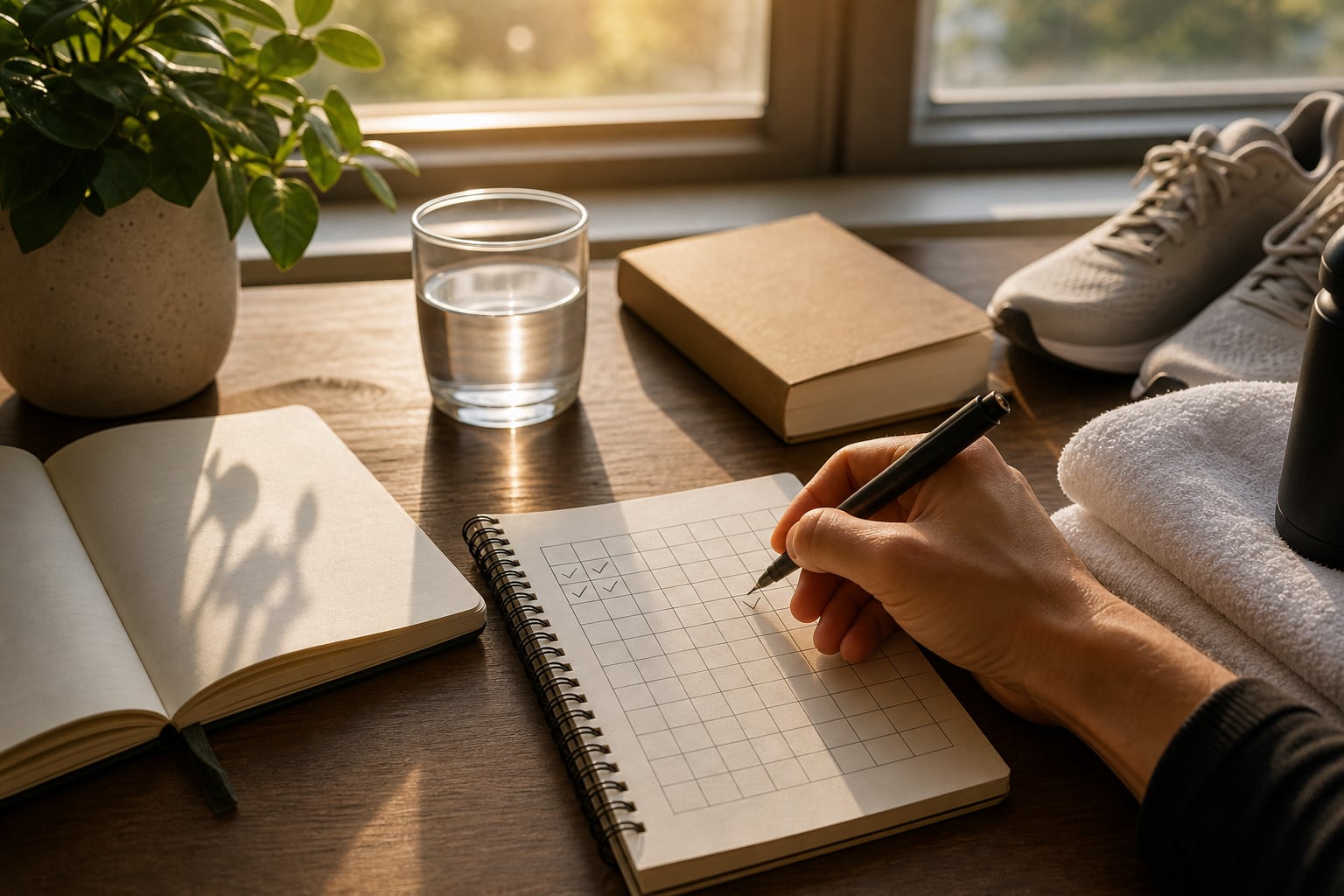
To invest in yourself is to compound small daily practices into a different person over years. Morning light, an earlier wake, cold water, journaling, reading. Not one grand gesture, but the boring, repeated work of showing up until it holds.

The benefits of reading run deeper than knowledge. Book readers live measurably longer, daily pages lower stress, and fiction may sharpen empathy, though some of those claims are stronger than others. Thirty minutes a day is a compounding investment in your future mind, and the clean opposite of doom-scrolling.

Journaling can support reflection, emotional processing, and well-being. Studies find modest average benefits, with results varying by method and person. Learn the evidence, practical prompts, and limits before you begin.
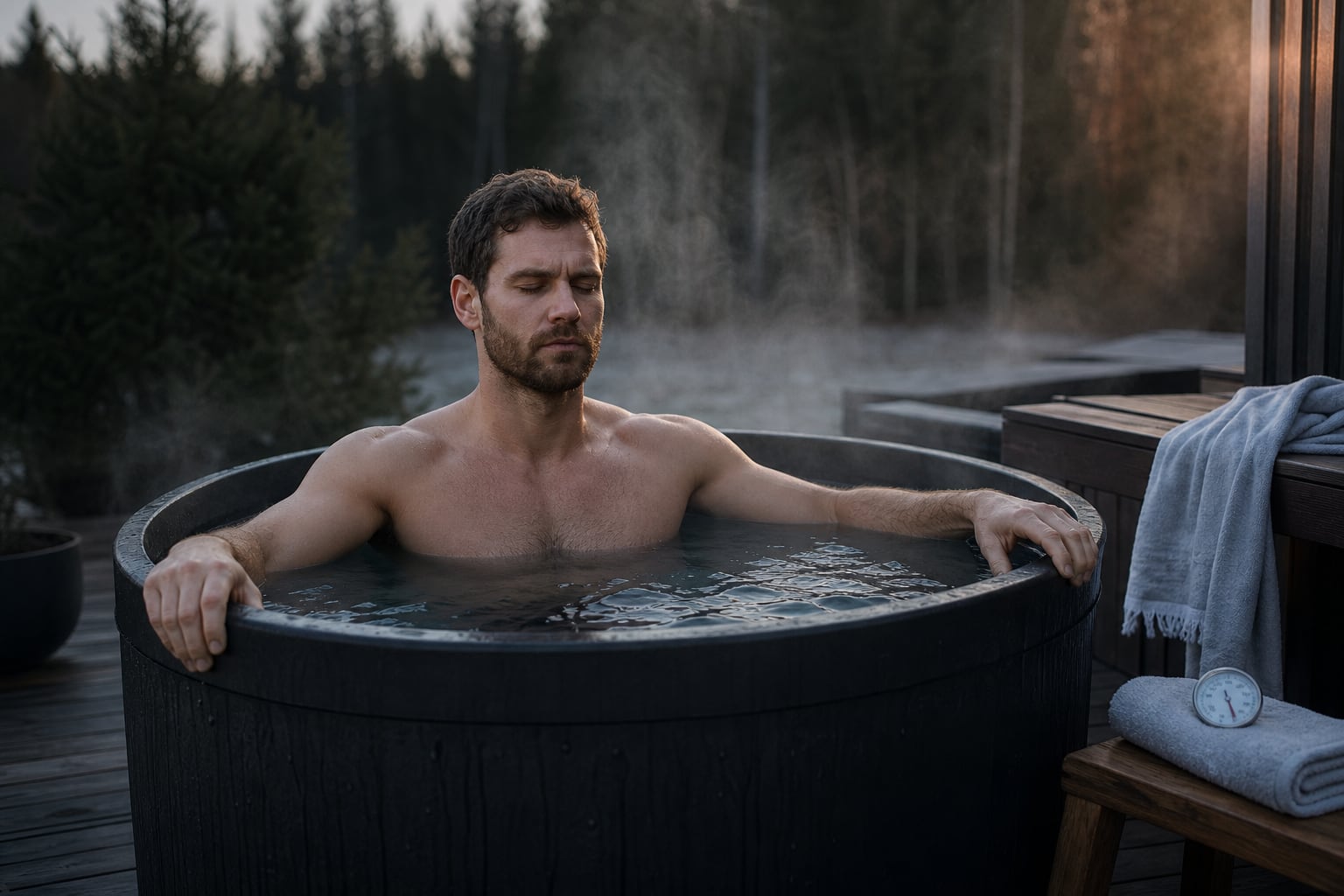
Cold exposure has a genuine acute physiology: a big noradrenaline surge, brown-fat activation, a sharp jolt of alertness. But the popular enthusiasm runs well ahead of the hard trial evidence. This is the honest split between what cold showers and plunges actually prove, what stays hype, and who should never try it at all.
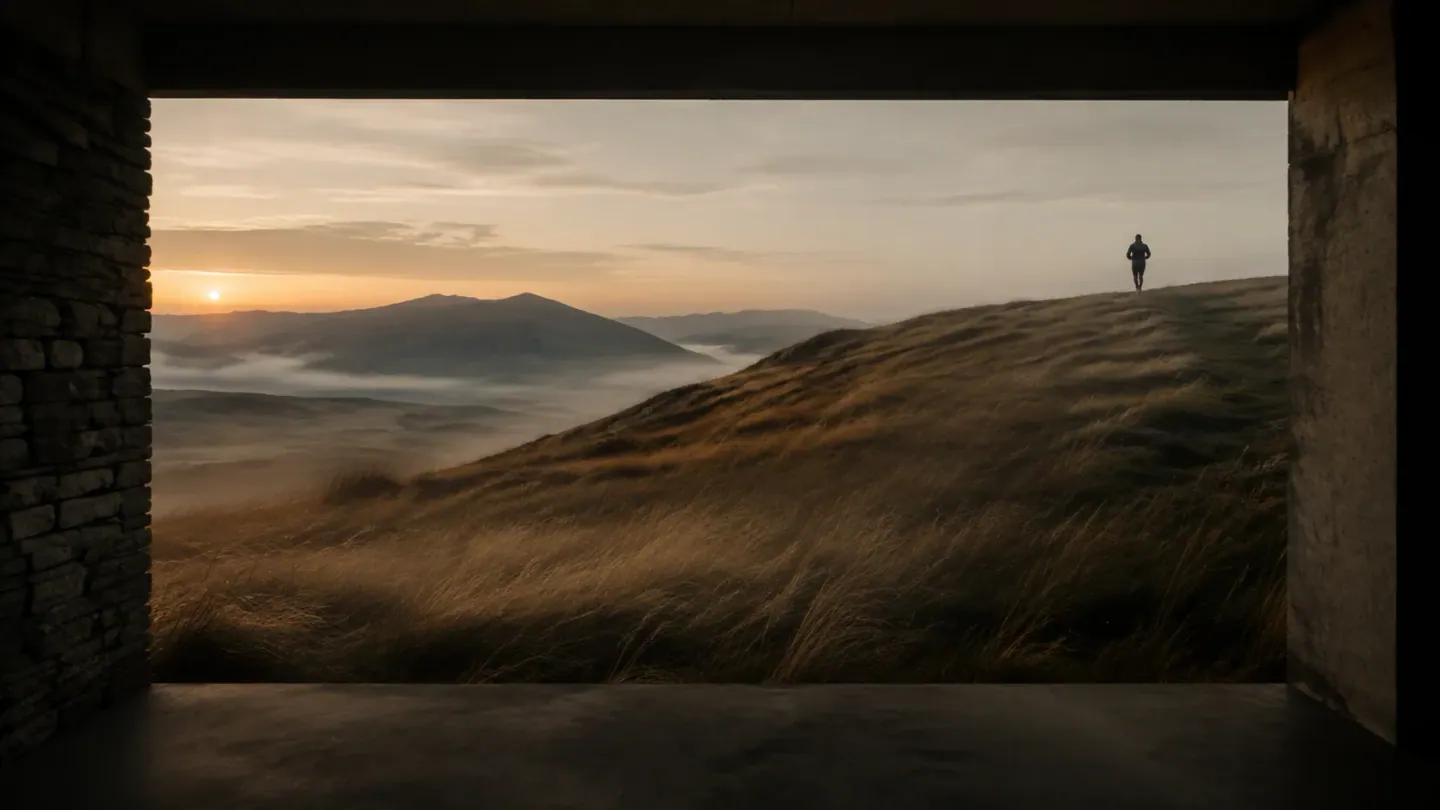
Find sunrise times for your town, then make a little of the day your own. See dawn, sunset, and daylight hours, choose a morning activity, and work backward to enough sleep. Your local sunrise is a place to begin, with room to adapt the plan to your life.

Sungazing, the practice of staring at the sun, can permanently damage your eyes. The safe, science-backed alternative is morning sunlight viewed early in the day, never stared at directly. It sets your body clock, lifts mood at the margins, and costs nothing. Here is the myth, the evidence, and the protocol.

Active recovery is what you do on a rest day instead of going dark. Walking, mobility, light sessions. Rest is not quitting, and the easy day is not wasted. It is where the repair happens and the streak survives.