
The Emotional Regulation Guide
Emotional regulation is not about control. It is about capacity. The ability to feel everything without being destroyed by any of it.
7 min read
A little deeper
Feel the wave. Do not become the wave.
Start here
How to feel everything without being controlled by anything.
Emotional regulation is not about control. It is about capacity. The ability to feel everything without being destroyed by any of it.
You are not unpredictable. You are unaware. Your triggers follow a map. Once you see it, you stop being ambushed by your own emotions.
Your brain is not the problem. Your body is. And until you calm the body, the brain cannot help you.
You cannot get yourself to do the thing. But is it burnout or laziness? The answer changes everything about what you should do next.

Understanding anger starts with one shift: it is not a malfunction to suppress, it is a signal. Anger shows up to report a crossed boundary or an unmet need. Read the message and it stops controlling you.

Anxiety feels like a forecast. It is usually a thinking error called catastrophizing, where your mind treats a small risk as a certain disaster. The dread is real. The prediction underneath it almost never is, and you can learn to tell them apart.
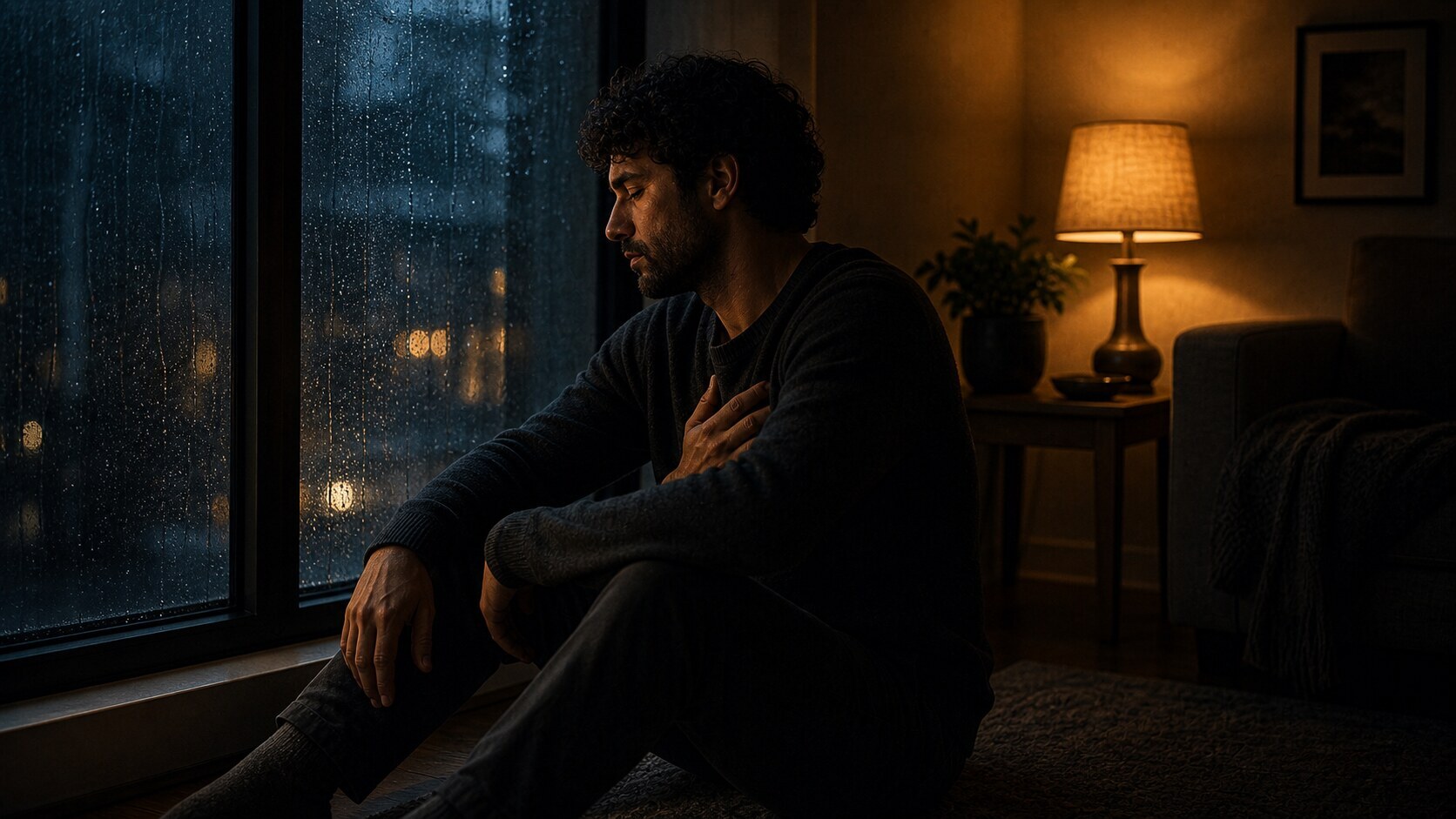
Most pain gets worse because you fight it. Distress tolerance is the skill of staying with a hard feeling without numbing it or acting on it. You let the wave rise, crest, and pass. That is how you stop being run by what you feel.

Processing grief does not mean forgetting, finishing, or moving on from the person you lost. It means moving between contact with the loss and the ordinary work of living, caring for the body, accepting support, and finding a continuing bond that can travel with you.

The fastest way to settle a spiraling mind is not to fight the feeling. It is to name it. This is how to calm anxiety using a single, accurate word, backed by brain scans, and why labeling beats bottling every time.

Mental toughness is not the absence of pain. It is the trained ability to read pain as information instead of running from it. Every ache, anxiety, and discomfort carries data about what is wrong and what needs to change. Numb the signal and you lose the map. Read it and the body becomes the most honest advisor you have.

Anger can signal a threat, blocked goal, unfairness, or crossed boundary, but it does not tell you which action is wise. Use a four-step protocol to lower arousal, identify the signal, and respond without venting or causing harm.

Emotional awareness begins with the recognition that you are not your thoughts. Your mind generates thousands of thoughts a day, most of them noise. Learning to observe without obeying is the skill that changes everything. A thought is a suggestion, not an instruction. Until you make that distinction, you are a puppet on strings you cannot see.
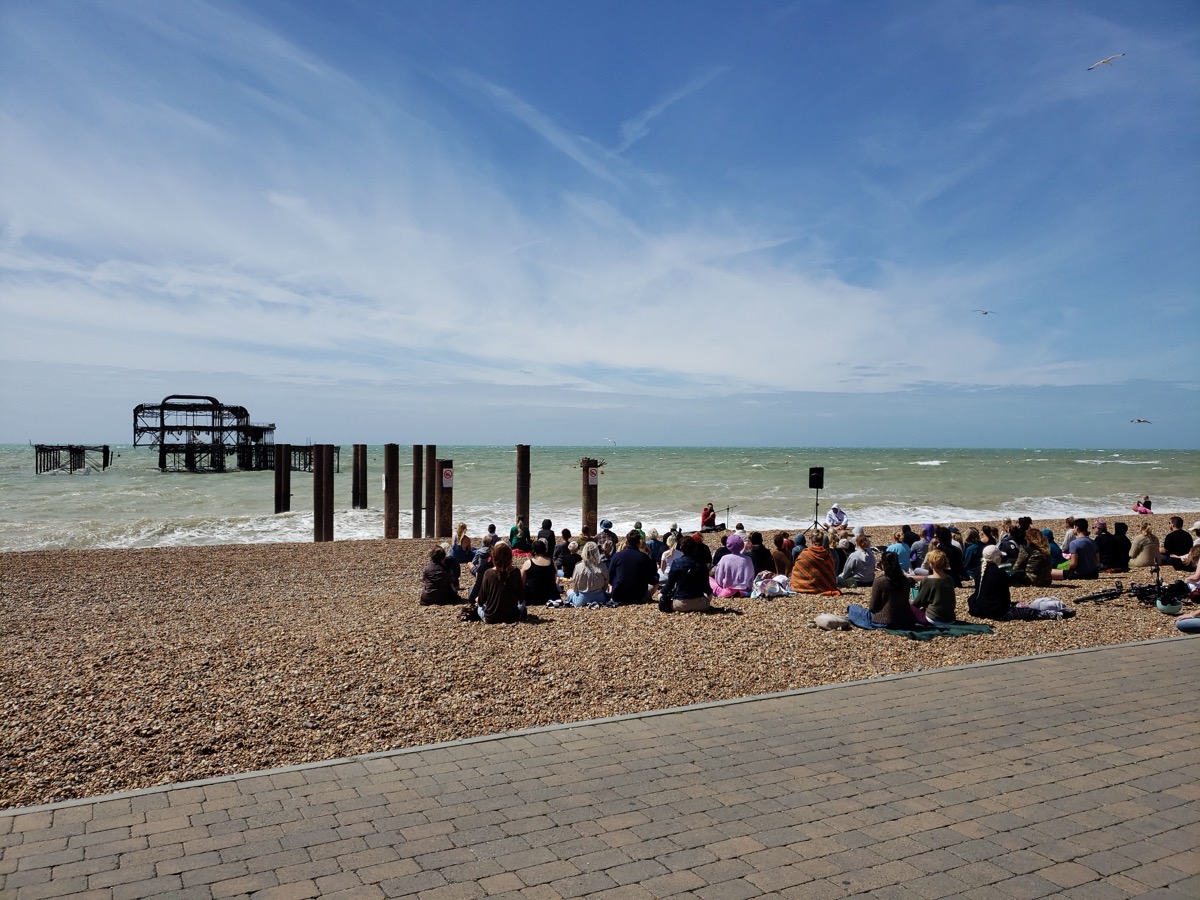
Breath work is the fastest, best-studied intervention for dropping out of reactive behavior and into intentional response. One slow breath moves your nervous system from sympathetic dominance toward parasympathetic tone, which is enough to widen the stimulus-response gap from zero seconds to three. That pause is your power.

Burnout and laziness look identical from the outside but have opposite causes. Burnout symptoms are physical, gradual, and rest-resistant. Laziness is a choice problem with full emotional range intact. If you treat one like the other, you make it worse. This is how to tell which one you are actually facing.

Your burnout might not be from working too hard. It might be from consuming too much. A dopamine detox resets the reward system that constant stimulation broke.

Inner peace is not given. It is guarded. The world will take it from you if you let it, through small daily intrusions that your unguarded attention never refuses. Protect your inner state with deliberate boundaries, selective response, and a morning that sets the tone before the world gets to.
Mixed signals, spiraling, rereading texts, attachment panic, and the fear of getting it wrong form one of the fastest-rising relationship search clusters in 2026.

Fear does not show you what to avoid. It shows you what matters. When you learn to face your fears as direction rather than danger, the fear becomes a compass pointing at your growth.

Emotional triggers are information, not enemies. Every disproportionate reaction points to an unhealed wound. Learn to decode triggers, use a trigger journal, and widen the gap between stimulus and response.

A daily gratitude practice is measurable neurological training, not soft thinking. It rewires attention toward what is working, strengthens relationships, and improves well-being in controlled studies. Start anywhere in the cycle. The people, the results, and the contentment follow the practice, not the other way around.

The present moment is not a self-help cliche. It is the space before thought, the only place life actually happens. Learn what it is, why you keep missing it, and how to come back.