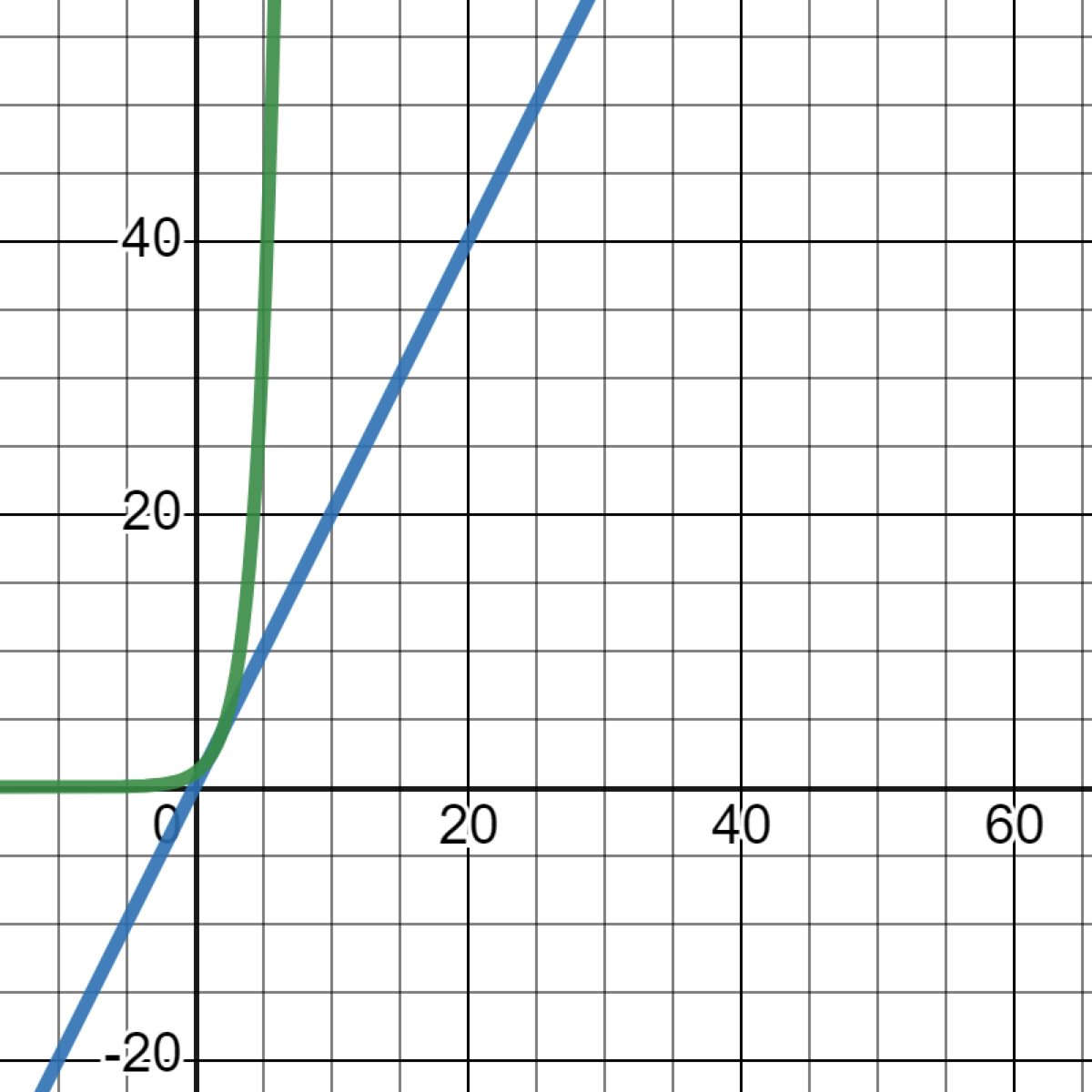
The Compound Effect of Daily Discipline
Habit stacking connects a useful action with an existing routine. Learn to choose clear cues, track meaningful progress, and use compounding as a metaphor rather than a promise.
11 min read
The blog
Habit stacking connects a useful action with an existing routine. Learn to choose clear cues, track meaningful progress, and use compounding as a metaphor rather than a promise.

A flexible morning routine for exhaustion: less pressure, ordinary needs and a small four-phase plan. Includes five-, fifteen- and thirty-minute examples, research limits and when to seek support.

Discipline can express devotion to a chosen value. Connect meaningful reasons with workable routines, recovery and support, without turning setbacks into punishment.

The final push brings worthwhile work to a usable finish. Define the remaining task, understand second-wind claims and keep room for rest, help and judgment.

Start with a small appropriate attempt while uncertain. Check what the next step needs, distinguish useful preparation from postponement and learn through feedback.

Earn it every day is a reminder to keep caring for what matters: skills, relationships, health, and meaningful work. Past effort still counts, and rest belongs in the plan. Use regular maintenance and honest review without turning every day into a test of your worth.

Give preparation a purpose and the next version a clear audience. Stop an unhelpful loop, meet the necessary standard and learn from an appropriate next step.

Words without action often begin with an unclear promise. Agree on the next step, check your capacity and communicate honestly when the plan changes.

Deliberate discomfort means choosing a manageable challenge for a worthwhile purpose. Practice the task you want to improve, allow recovery, and adjust the dose. Difficult conversations, unfamiliar reading, and appropriate exercise offer different kinds of practice; none requires ignoring danger or treating rest as failure.

Distraction can interrupt a line of thought, delay a return to the original task, and make work more stressful. Protecting deep focus helps with demanding work, but the often-quoted 23 minutes is not a universal recovery penalty. Build a realistic focus block, reduce unnecessary switches, and judge the result by the work you actually complete.

Repeated behavior can shape your future alongside goals, opportunities, health, resources, and chance. Habits help turn some intentions into regular action. Examine the patterns that support your life and the ones you want to change, without treating every routine as a verdict on who you are.

Give worthwhile work time without promising that patience always wins. Track useful practice, seek feedback and review the costs and direction.