
The Non-Negotiables Guide
Motivation is a guest. Structure is a resident. This guide shows you how to build daily non-negotiables that run on autopilot.
3 min read
A little deeper
The structure that removes negotiation from your day. You do not rise to the level of your goals. You fall to the level of your systems.
Start here
How to build daily non-negotiables that run on structure, not willpower.
Start here if you want the search-demand view behind routines, consistency, burnout recovery, dopamine friction, and self-trust.
Motivation is a guest. Structure is a resident. This guide shows you how to build daily non-negotiables that run on autopilot.
You have the same 24 hours as everyone else. You do not have the same energy. And energy is what actually determines what gets done.
You do not need more motivation. You need a system that removes the decision. Habit stacking is that system.
Motivation gets you started. Discipline keeps you going when motivation checks out. One runs on feeling. The other runs on structure. Here is the honest breakdown.

To invest in yourself is to compound small daily practices into a different person over years. Morning light, an earlier wake, cold water, journaling, reading. Not one grand gesture, but the boring, repeated work of showing up until it holds.

The benefits of reading run deeper than knowledge. Book readers live measurably longer, daily pages lower stress, and fiction may sharpen empathy, though some of those claims are stronger than others. Thirty minutes a day is a compounding investment in your future mind, and the clean opposite of doom-scrolling.

The benefits of journaling are real but smaller than the hype suggests. Expressive writing helps you process hard events. Gratitude journaling lifts everyday well-being. And a steady reflective habit trims anxiety and low mood by a modest, measurable amount. A few minutes on the page is a small investment with a real return.

Cold exposure has a genuine acute physiology: a big noradrenaline surge, brown-fat activation, a sharp jolt of alertness. But the popular enthusiasm runs well ahead of the hard trial evidence. This is the honest split between what cold showers and plunges actually prove, what stays hype, and who should never try it at all.

Find sunrise times for your town, then make a little of the day your own. See dawn, sunset, and daylight hours, choose a morning activity, and work backward to enough sleep. Your local sunrise is a place to begin, with room to adapt the plan to your life.

Sungazing, the practice of staring at the sun, can permanently damage your eyes. The safe, science-backed alternative is morning sunlight viewed early in the day, never stared at directly. It sets your body clock, lifts mood at the margins, and costs nothing. Here is the myth, the evidence, and the protocol.

Active recovery is what you do on a rest day instead of going dark. Walking, mobility, light sessions. Rest is not quitting, and the easy day is not wasted. It is where the repair happens and the streak survives.

Most people treat discipline as a personality they were either handed or denied. That is wrong. The evidence shows discipline is trainable, built through repetition and systems, not summoned from some fixed reserve of willpower you either have or lack.

A habit streak is not a counter. It is proof you keep promises to yourself. The chain of unbroken days quietly rewires who you are, until showing up stops being a decision and becomes the default you defend.

Most habits die because the first step is too big. The fix for how to start a habit is to shrink it until starting takes under two minutes. Master showing up first. Improve the habit later, once it already exists.

The people who get the results you want are not more intense than you. They are more repetitive. Boring discipline means trading the dramatic week for the unremarkable decade, and letting dull, predictable routines do the work motivation never finishes.

Motivation is a feeling, and feelings leave. The motivation versus discipline question only sounds hard until you watch which one shows up on a bad day. One waits to be inspired. The other builds a system and runs it anyway.

The stillness practice is the trained ability to sit with your own mind, long enough for the noise to settle and what remains to show itself. Five minutes a day rewires attention, reduces anxiety, and builds the gap between stimulus and response where your power actually lives. The practice is boring, uncomfortable, and cheaper than any therapy that would produce similar results.

The system works if you work the system. There is no secret. No hack. Research on long-term self-control, habit systems, and the boredom filter shows simple daily practice beats novel optimization across every time horizon measured. Show up. Do the work. Repeat.

The daily audit is five minutes, three questions, every evening. What went well. Where you fell short. What happens tomorrow. Research on expressive writing, reflective practice, and Marcus Aurelius's own nightly review shows the compounding effect of this simple protocol on clarity and output.

The hundred day mark is where discipline dissolves into identity. Research on habit automaticity, the grind phase, and identity consolidation shows most people quit in the valley between day 21 and day 90, just before the crossover. Survive the valley and everything after that changes.

Ship something today. Creation is the discipline nobody talks about. Research on deliberate practice, the intention-behavior gap, and creator economy output shows consumption without creation is entertainment dressed as progress. Shipping is the muscle that separates spectators from players.

Write it down. Thoughts in your head are chaos. Thoughts on paper are strategy. Research on expressive writing, journaling, and cognitive offloading shows the simple act of writing forces clarity that thinking alone never produces. If you are not journaling, you are guessing.

The breath is the bridge between body and mind. Research on the vagus nerve, parasympathetic activation, and breathwork protocols shows a slow exhale longer than the inhale flips the nervous system from reactive to responsive within 90 seconds. One tool, always available, almost nobody uses deliberately.

Cold exposure is not about the cold. It is about voluntary discomfort, practiced daily, until the habit of staying when every instinct screams to run becomes the default response. Cold water teaches exactly one thing, and the one thing is worth more than any health benefit the practice also happens to produce.

The warrior rests deliberately, not collapsing but rotating. Sunday is for recovery. One protected weekly rest day, run with structure. No alarm, gentle movement, a weekly review, and next-week planning. The warrior does not burn out. The warrior rotates.
Structure is freedom, not its opposite. Research on decision fatigue, keystone habits, and elite performer routines shows that rigid schedules in the boring parts of the day free cognitive resources for the work that matters. Chaos is the cage. Routine is the exit.

Your phone is stealing your life one notification at a time. Research on attention fragmentation, social media and mental health, and smartphone addiction shows the average 5-hour daily screen use costs 75 full days per year. The theft is designed. The recovery is deliberate.

Restarting a habit is not a fresh personality transplant. Diagnose what interrupted the cue, shrink the behavior to a reliable floor, reconnect it to a stable context, and pre-plan the next lapse. This six-step reset turns "may the work begin" into a practical recovery system.

Thirty days in is the survival window. You are rewiring neural pathways and your brain is fighting back. Research on neuroplasticity, habit formation, and behavior persistence shows the first 30 days are the hardest by design. The difficulty is not failure. It is the process.

Rest is part of the system, not the absence of the system. Recovery physiology, the stress-recovery cycle, and the research on cognitive performance show grinding without rest degrades the very output grinders are trying to maximize. The body that never recovers is the body that breaks first.

One push up is enough. The first rep breaks inertia. The rest is momentum. Research on minimum viable habits, tiny habits methodology, and push-up capacity as a health marker shows the smallest possible action is the one that actually changes anything. Start with one.

What you repeat you become. Your rituals are identity in action. Research on self-perception theory, habit formation, and daily compounding shows you do not rise to the level of your goals. You fall to the level of your systems. The repetitions always win.

Build the temple daily. Your body and mind are the one asset you actually own. Research on exercise, mindfulness, and maintenance compounding shows small daily practices outperform every one-time overhaul. Deferred maintenance always costs more to repair than to prevent.

A dopamine reset is the structured way out of the trap apps and sugar and scrolling put you in. Your brain is not broken. It is hijacked, and the hijack has a specific mechanism you can interrupt.

Six daily practices, run as a system: higher self work, pushups, breathwork, meditation, affirmations, and creation. Not a routine. A structural foundation. Research on habit stacking, breathwork, and higher self work shows integrated practices compound in ways individual practices cannot.

Anxiety in the body does not respond to more thinking. It responds to movement, breath, and cold. The body stores every stress response you never fully discharged, and the release happens through physical intervention, not through analysis. Stop trying to think your way out. Start moving through what your body has been keeping score of for years.

You will not feel like it most days. That is the rule, not the exception. To stay disciplined, stop relying on motivation and build systems that run on schedule instead of feeling. Identity, environment, and small scheduled actions beat willpower every time.

Standard morning routine advice makes burnout worse. A recovery-first protocol rebuilds the dysregulated HPA axis without adding pressure, because the system that broke you was already operating at 110% when it collapsed.

You have read enough books. Watched enough videos. The gap between you and the life you want is not information. It is content creation, done daily, output before input, until the identity shifts from consumer to creator. Start today with one small thing that did not exist before.
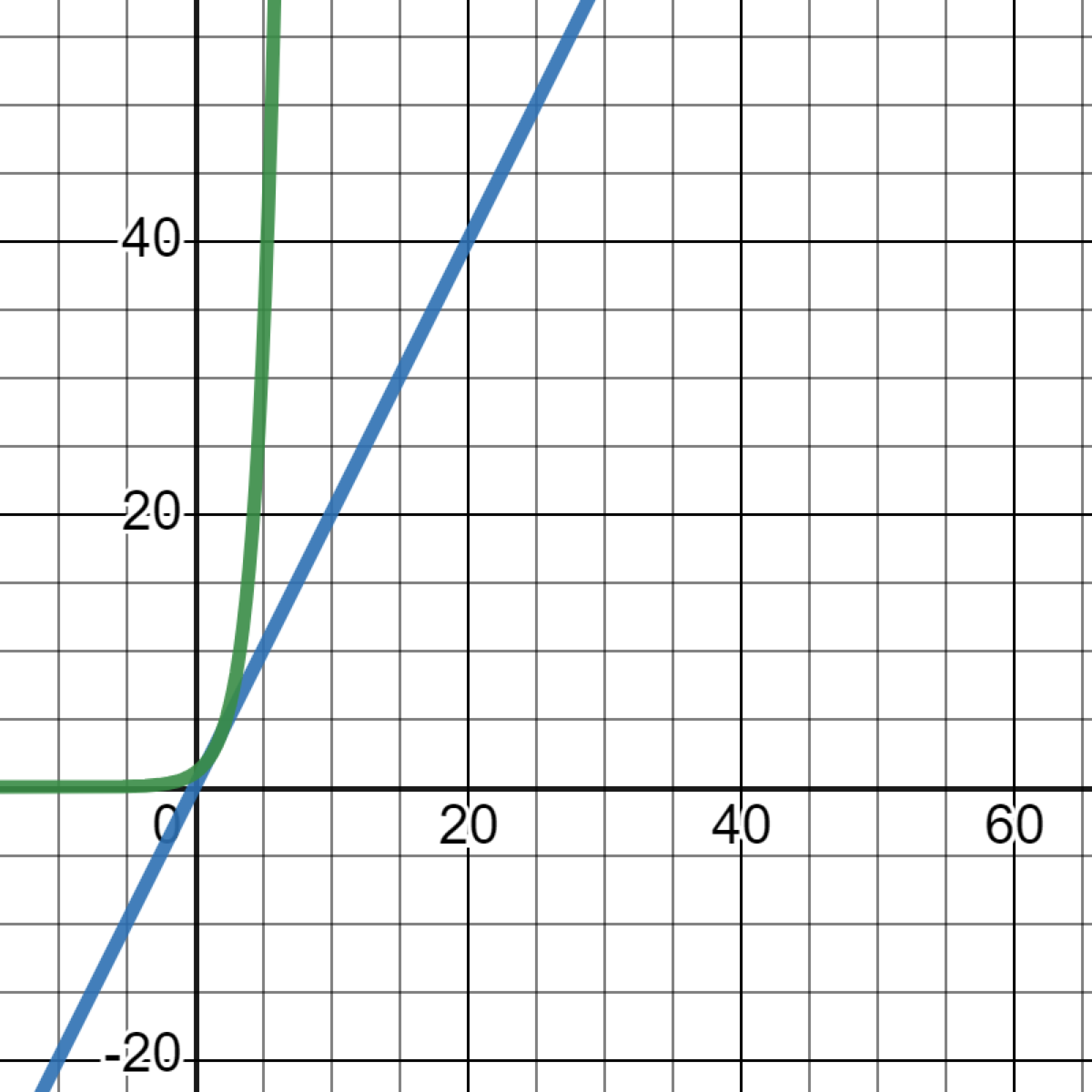
Habit stacking attaches a new habit to one you already run on autopilot, so the old behavior triggers the new one. No willpower negotiation, no reminder apps. Stack three small daily discipline habits onto existing cues, survive the Valley of Disappointment, and the reps quietly turn into a different person.

The discipline vs motivation debate is settled by framing. Discipline is not punishment. It is devotion. The deepest form of self-respect, practiced daily until it becomes identity. You do not discipline yourself because you hate who you are. You discipline yourself because you love who you are becoming.

The second wind is not a feeling that happens to you. It is a response you produce by refusing to quit at the exact moment most people do. The last stretch is where finishers and almost-finishers separate.

Analysis paralysis is what you mistake for careful preparation. You will never feel ready. The people who actually build things start before they feel prepared and figure it out along the way.

Earning it every day means treating no achievement as permanent. Research on detraining, skill decay, and complacency shows health, reputation, skills, and relationships all erode without fresh effort. Yesterday's work does not count today. Each day resets what you must prove.

Overthinking is the mind running in place while calling it preparation. It is fear of judgment dressed as high standards, delay dressed as diligence. The real enemy of progress is not failure, which at least produces data. It is the refusal to begin until conditions are perfect.
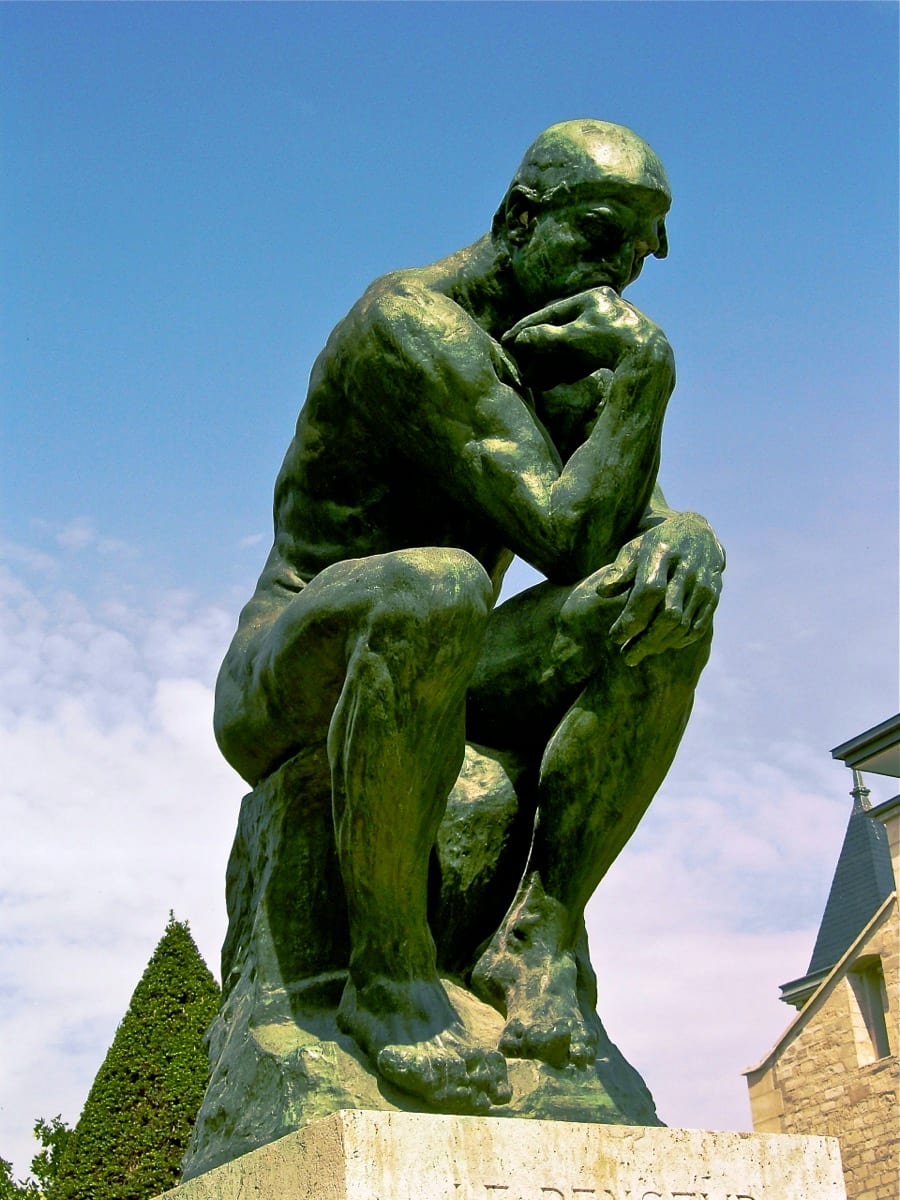
Talk is cheap. Everyone has plans, ideas, and intentions. The only thing that matters is what you actually execute. Words without action are worthless because speaking activates the same reward circuits as doing. The payoff arrives early, motivation drops, and the declaration becomes the end of the pattern instead of the beginning.

Deliberate discomfort is chosen difficulty, practiced daily, so your tolerance grows and life stops shrinking to what feels safe. Cold water, hard conversations, unfamiliar thinking: small doses of voluntary stress compound into a capacity to handle the involuntary stress that arrives uninvited. Make discomfort a practice and comfort stops running your life.

Deep focus is the rarest cognitive state in modern work and the one that produces most of the value. Every interruption taxes it heavily, and the bill is not the seconds you lose. It is the 23 minutes of recovery and the hours of shallow thinking that follow. The cost of distraction is compounding, invisible, and almost entirely trainable.

Behavior change is the only lever that reshapes the future on any time horizon that matters. You do not decide your future with goals. Your habits decide it for you. Every day, the things you do without thinking are building or destroying the life ahead of you, whether you are paying attention or not.

Rest is not laziness. Burnout prevention is as much of a discipline as the work that burns you out. The person who schedules recovery outperforms the person who steals it back from the body later.

Delayed gratification is not a moral trait. It is the trained skill behind every meaningful outcome. The person who wins is the one willing to wait years for what others want in weeks.

Silent execution is the practice of doing the work before discussing it, so real progress replaces social applause as the source of motivation. Research on announced goals shows public declarations reduce follow-through by substituting praise for the actual work.

Use a practical 90-day structure to connect a chosen identity with small actions, weekly evidence, and realistic adjustments. Start with one repeatable step.

Build a flexible morning routine with five-, fifteen-, or thirty-minute options. Protect sleep, plan for interruptions, and choose one useful daily priority.
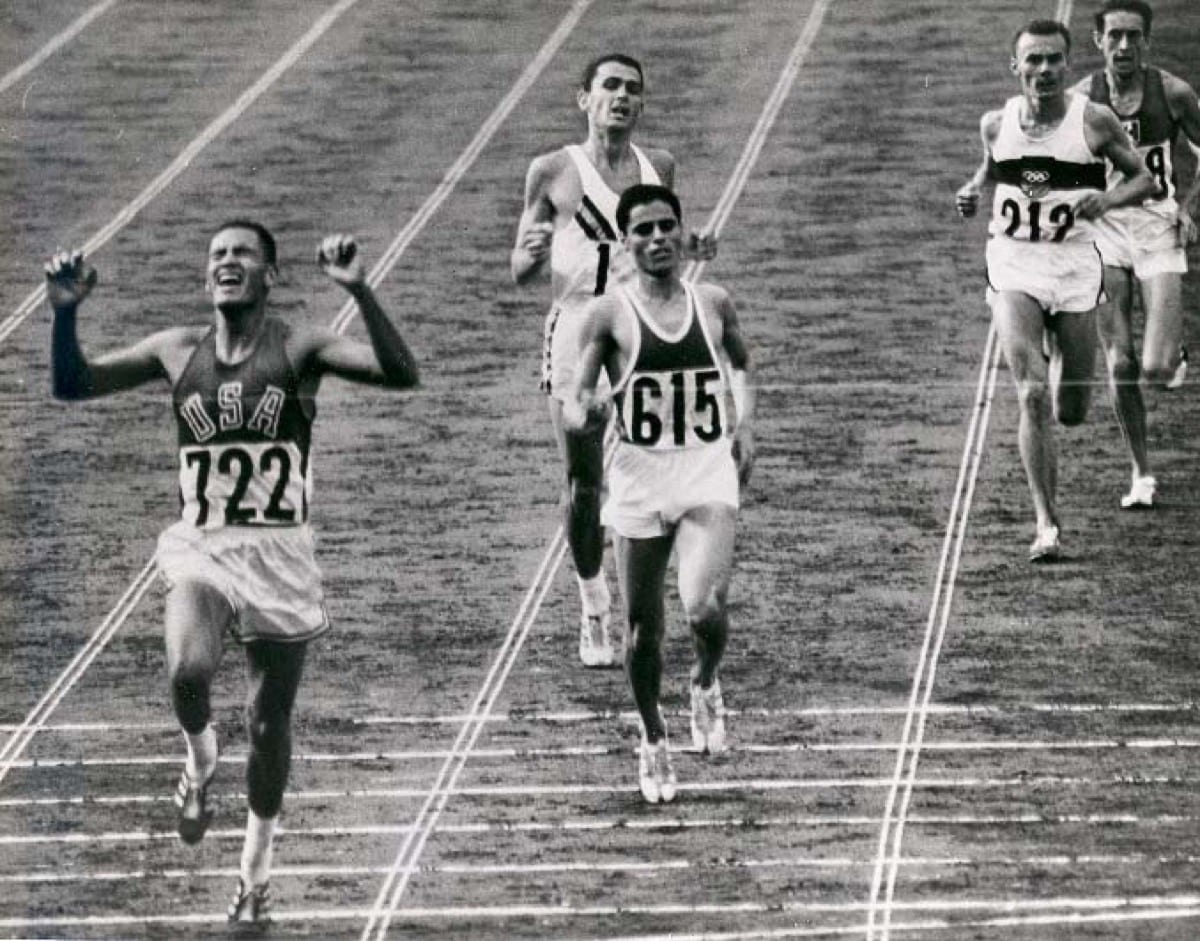
The gap between exceptional and ordinary is one percent. Marginal gains, compounded daily, create the difference that looks like talent from outside. Research on deliberate practice and aggregate improvement shows the margin most refuse to cross is small enough that anyone could, and that is precisely why so few do.

Follow through is the skill of carrying a commitment past the point where excitement fades, discomfort rises, and walking away becomes the easier choice. Most people never build it.

Environment design means changing the cues, friction, and defaults around a behavior you want to repeat. A book within reach and a phone in another room can make a different evening easier. Use these worked examples and a seven-day experiment to find a change that fits your actual space and responsibilities.

The 1%-better formula is correct arithmetic, not a literal model of human improvement. Learn where the compound-effect analogy helps, what habit research actually shows, and how to build a small behavior that survives missed days.

Your inner drive is not a defect to cure. It is the signal that a version of you worth becoming still has distance to travel. Use the hunger. Do not silence it.
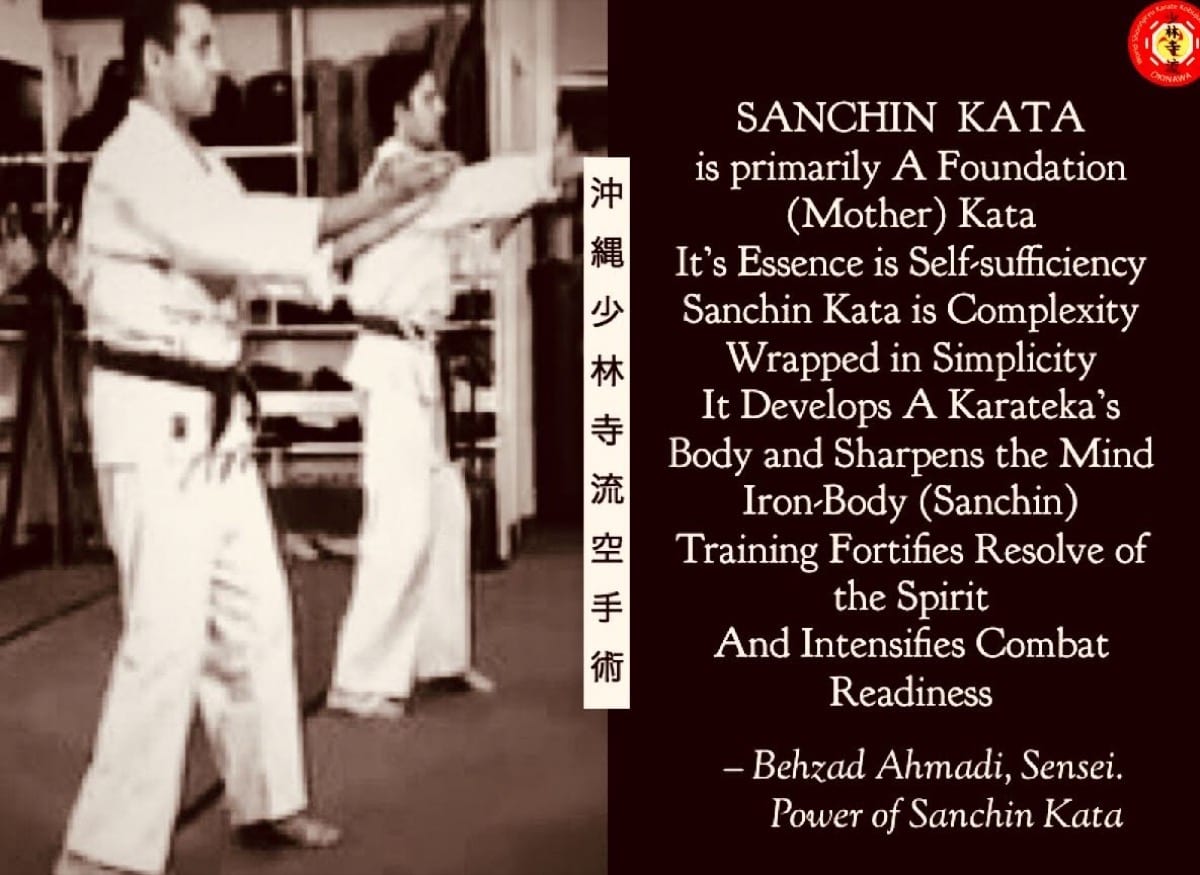
Mastery is the depth of skill earned through years of deliberate practice. The 10,000 hours figure is not a law, but it is close to what real expertise requires. Patience is not passive waiting. It is active becoming, one corrected repetition at a time.

The silent hours are the pre-dawn window where no one is asking anything of you. While the world sleeps, the committed are awake, building the life they actually want. These are the hours champions quietly claim and most people never learn to use.

Consistency is key because results come from repetition, not intensity. The person who shows up daily builds results the occasional sprinter cannot touch. Consistency is a mechanism, not a feeling.

Learning how to simplify your life is not about owning twelve objects or escaping every responsibility. It is a practical process of removing friction, reducing repeated decisions, clearing physical and digital clutter, and protecting enough time and attention for the people and work that matter most.

Exceptional results follow a three-step formula: do less, do it now, do it right. Quality over quantity, done with urgency, on a narrow focus. Most people fail at every step, which is why exceptional stays rare.

Mental clarity can be easier to find when the next task is clear and fewer things compete for your attention. This 30-minute reset helps you clear one surface, capture loose tasks, reduce digital noise, and choose a concrete first step. Try it as a practical experiment, then keep what helps.
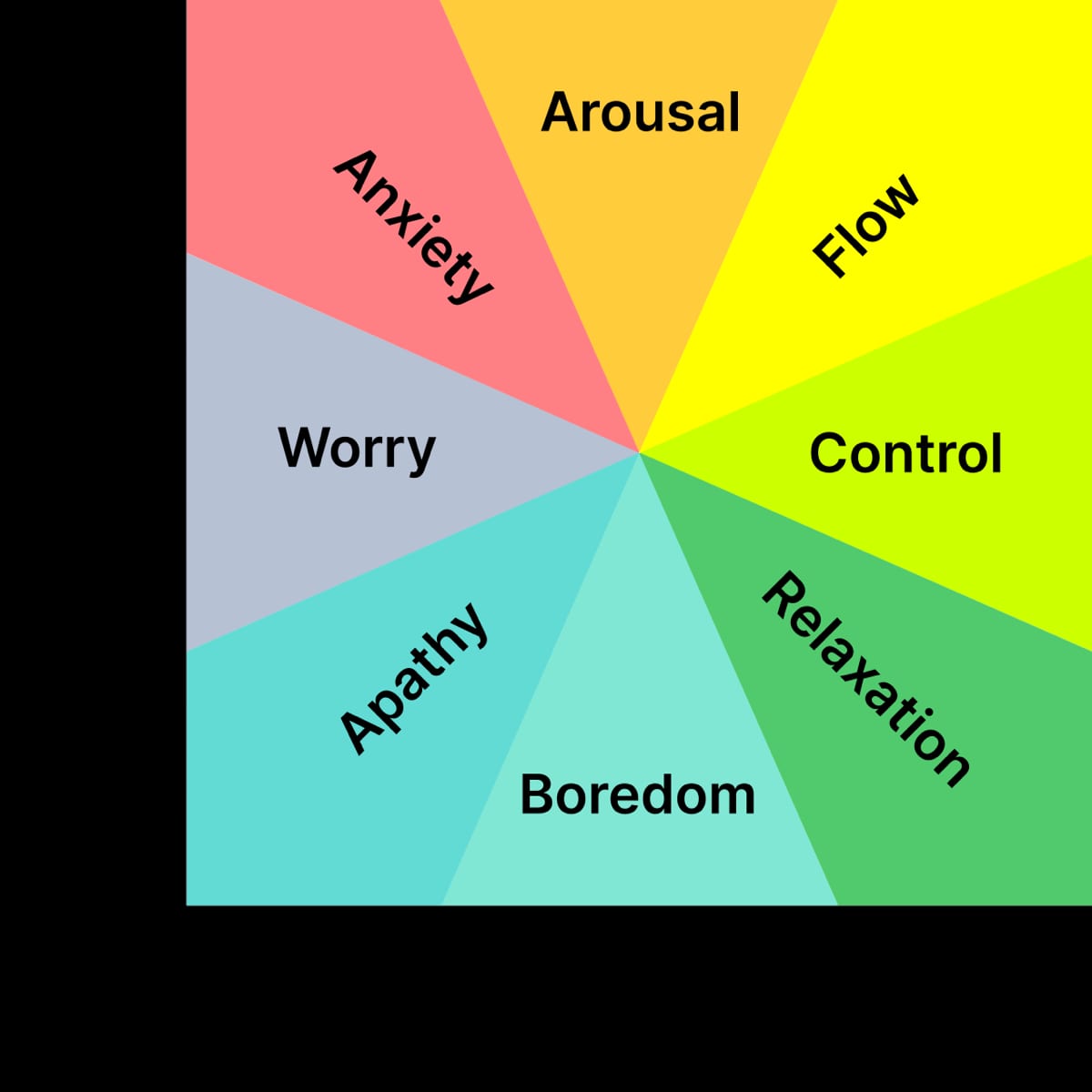
Gamification of life is the deliberate structuring of your day with game mechanics, with clear goals, visible progress, and calibrated difficulty. Done right, it pushes you into flow state more often, where challenge meets skill and time disappears. Treat every obstacle as a level, every problem as a puzzle, every setback as a design error you can work around.

An all-in mindset accepts difficulty as part of the package, not as a reason to quit. Real commitment has no exit strategy and no negotiation with excuses when the first obstacle appears.

Self discipline is the boring superpower. Master the fundamentals of health, work, finances, and relationships. No excuses, no shortcuts, no outsourcing the effort to perfect conditions.
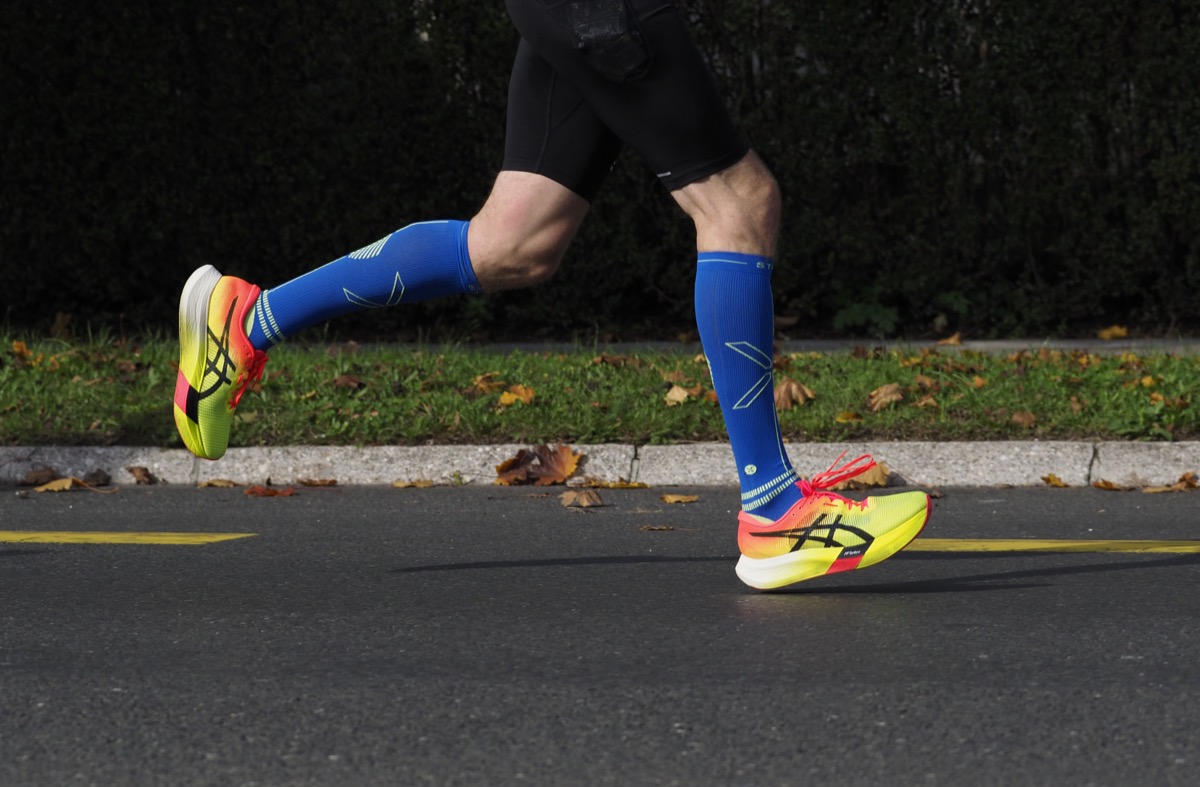
High performance is a decision about standards, not a gift. Average effort produces average results. Mediocrity is a trap dressed up as a plateau, and the only way out is action scaled beyond what feels reasonable.

The croissant principle shows one small morning decision triggers a chain reaction that shapes your entire day. Research on decision cascades, blood glucose and cognition, and keystone habits shows tiny choices compound into identity. Everything is connected. Pick wisely.

Stop procrastinating. Tomorrow does not exist as a real moment. It is a storage unit for tasks the present self does not want to face. Research on procrastination shows it is not a time-management problem but a short-term mood-regulation strategy that costs future outcomes badly.